

It’s always a good idea to start out with a definition of things so we are all clear.
First of all, the bigger question is.. “What is democracy?” Everybody knows what democracy is don’t they that’s something that we learn at school and from our parents, it’s people having a say… Right? No.
Democracy is actually not people just having a “say”. That’s a watered down version of the real meaning. Our society leaders have quietly tried to change the definition of democracy over the millenia since the word was actually used.
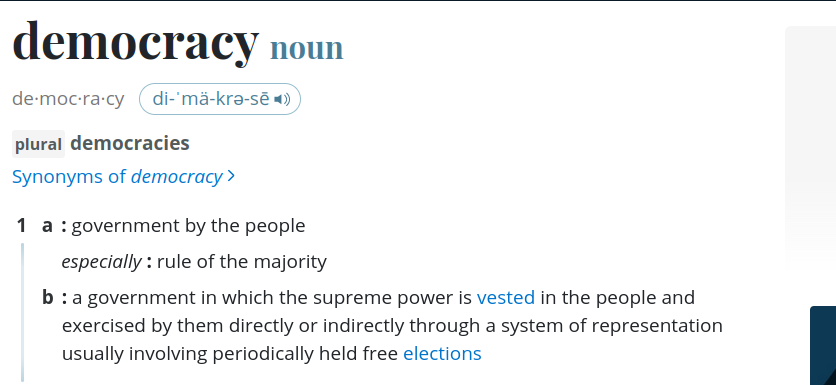
Democracy is actually not just the people having a “say”, but actually controlling and ruling a country.
There’s Representative Democracy and there’s Direct Democracy. Representative Democracy is where elected individuals are supposed to take our power and “represent” us. Hands up who has actually had their views “represented”. Exactly. Unless you are in with politicians, there’s almost no chance your views have actually been represented on a subject. Our referendums are very few and far between and binding ones that actually stay binding is real Blue Moon stuff. Government can overrule the whole thing at any point anyway, so people ask “What is the point of even having referendum?”
Direct Democracy is just like it says on the box. There’s no middlemen. Its just the public. And the decision. No parliament, no politicians.
Goodness! Are there are any actual places that have no parliament???
No. There’s no absolutely Direct places in the world. Switzerland has the only and about the best Direct Democracy system in the world. It started back in the middle ages, but really got it straps on after World War II. In Switzerland the public pretty much decide everything key. And Switzerland is one of the most stable and practical and highly successful (GDP wise) nations on earth. No coincidence that it’s also a democracy.
Can we have this in New Zealand?
We could except for one key thing. The people that would make the decision about that will never let that happen on their watch. These people love attention and power and they they sure as heck aren’t giving that up without a fight. They get to decide anyway so even if we all wanted Direct Democracy, these people have the power and will overrule it no matter what.
Ultimately there’s about 1-8 of these powerful individuals in this country that actually make the decisions, the buck stops with them. You can forget about the other politicians in parliament, they just do what their bosses say. It’s been identified as a major weakness in our structure for ever, but it really came to light from 2020-2023. The government showed us how easy it was to do whatever they like, changing laws to suit their agenda on a dime in one day with not only zero consultation with the people, but somewhere between zero and minimal with other parliamentarians.
These are not the types of people that will give that up easily.
Direct Democracy benefits the whole country, building it into a sovereign and powerful nation just like the Swiss. Don’t stand it for anything else New Zealand, we’ve put up with this malarky for almost two centuries and it’s about time we closed that chapter and opened something real and new for this nation.
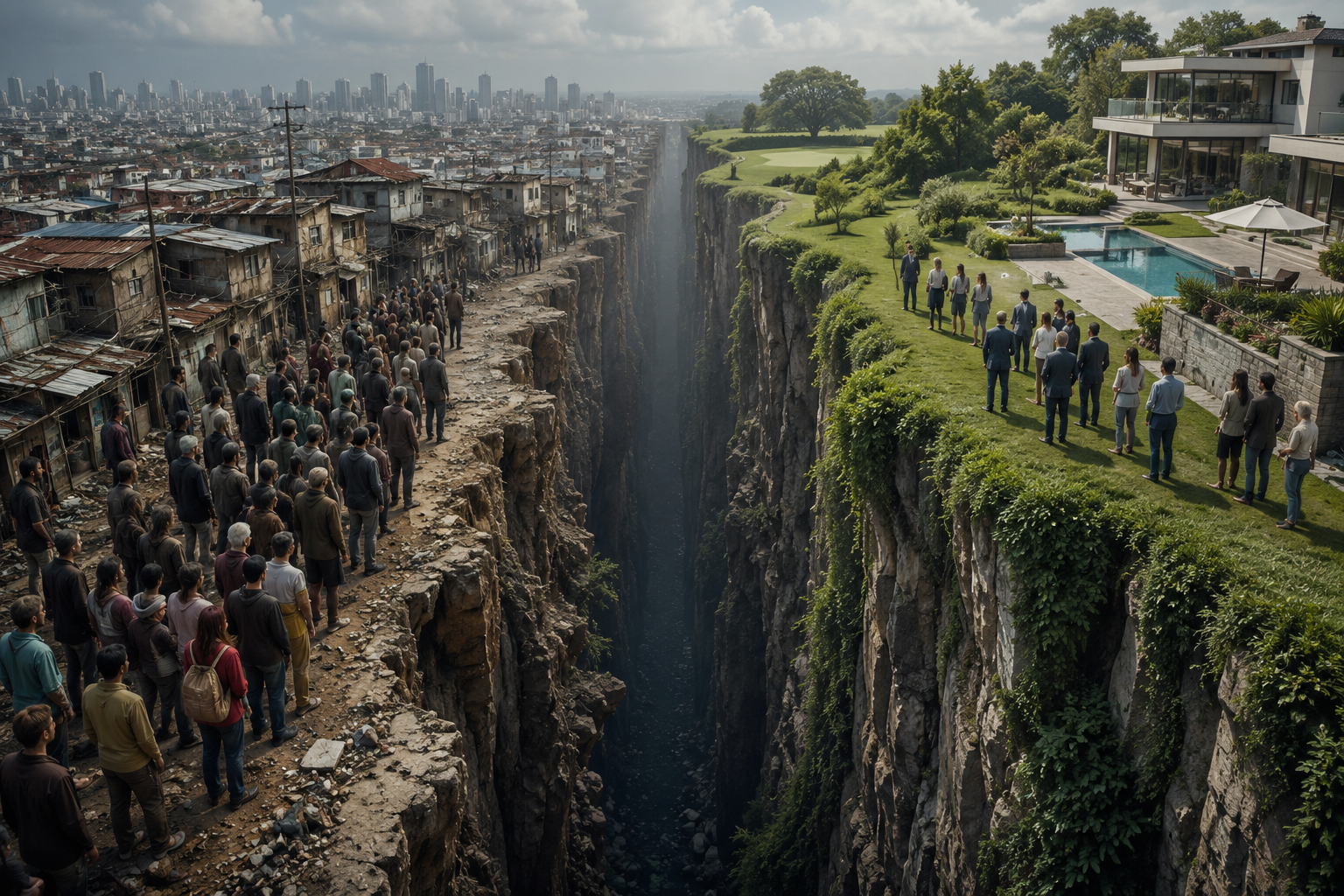

1. Direct Democracy:
Direct democracy refers to a system of government where citizens have the right to vote on legislation directly, rather than through representative intermediaries. This system of governance is often considered as the purest form of democracy, as it allows for the most direct form of citizen participation.
As a reader, I find the concept of direct democracy fascinating, but I also see potential challenges. For instance, it requires a highly informed citizenry, as everyone would have to be well-versed in complex policy matters. Additionally, it could potentially lead to a tyranny of the majority, where the rights of minorities may not be adequately protected. However, it also offers potential benefits, such as increased citizen involvement and potential for more equitable decisions. I wonder, could a hybrid system be more effective, combining elements of both direct and representative democracy?
2. English:
The post about English, I assume, refers to the language and its global importance. English is the third most spoken language in the world by number of native speakers and the most widely learned second language. It is often referred to as a global lingua franca, serving as a common language that enables people from diverse backgrounds to communicate with each other.
From a readers perspective, I agree with the importance of English in todays globalized world. However, I also wonder about the implications of the dominance of a single language. While it certainly aids in global communication, does it also contribute to the marginalization of other languages and cultures? Is there a way to promote multilingualism and cultural diversity while also acknowledging the practical advantages of having a common language?
Post 1: Direct Democracy
Direct Democracy is a form of government where power is vested in the hands of the people, who vote directly on all matters of public policy. The premise of this system is that it allows for a more accurate representation of the peoples will, as each person has a direct say in the governance of their society.
However, I wonder how this system would work in large, diverse societies with millions of citizens. Would every person truly have the time and understanding to make informed decisions about every policy matter? And how would we ensure that the voices of minorities are not drowned out by the majority? While the idea of Direct Democracy seems ideal, in theory, its practical implementation might require careful considerations and adaptations.
Post 2: English
English, a West Germanic language, is the third most spoken native language in the world. Its the global lingua franca, used extensively in international communications, business, science, aviation, entertainment, and diplomacy.
However, while the widespread use of English has its advantages, I also wonder about the challenges it poses. For instance, does the dominance of English marginalize other languages and cultures? And in a context where English becomes a measure of success, how does it impact those who do not have access to quality English education? English is undeniably a powerful tool in our global society, but we should also consider the implications of its widespread use.
Direct democracy and English dominance, both seemingly ideal, yet fraught with intricate complexities.
Direct Democracy:
Direct democracy, as I understand it, is a form of governance where all the citizens directly vote on policy initiatives, rather than voting for representatives who make decisions on their behalf. This seems to be an ideal form of democracy, as it gives power directly to the people and ensures that the majoritys will is considered.
However, the practicality of implementing direct democracy on a large scale, such as in a country like the United States, seems challenging. Given the current digital age, one could argue that technology could facilitate such direct voting. But then, questions of digital literacy, security, and privacy come into play. Moreover, issues requiring expert knowledge might not be best decided by the general public.
Why have direct democracy?
Having direct democracy could lead to a society where citizens are more involved and responsible for the decisions that affect them. It could also reduce the disconnect often felt between the electorate and the elected. But again, the feasibility and potential drawbacks need careful consideration.
English:
The English language has become a universal language of sorts, bridging communication gaps globally. Knowing English can open up opportunities for work, travel, and cultural exchange. However, the dominance of English can also lead to the marginalization of other languages and cultures.
In a given situation where a community or nation is multilingual, imposing English could lead to cultural erosion and a loss of linguistic diversity. Its crucial to strike a balance between global communication and preserving local languages and cultures.
In summary, both direct democracy and the English language present potential benefits but also raise significant considerations. Its important to critically examine these issues in different contexts before adopting them wholesale.
Direct democracy sounds utopian, but the majority isnt always right. English dominance? Cultural homogenization isnt progress.
Post 1: Direct Democracy
Direct Democracy is an intriguing political concept where citizens have the power to decide on policy issues directly, rather than through representatives. By enabling all citizens to influence legislation, it seeks to diminish the gap between the government and the people.
However, as a reader, I wonder how feasible this would be on a large scale in nations with huge populations. It would require an exceptional level of civic education and political awareness among citizens. Furthermore, with the potential for majority rule to disregard the rights and interests of minorities, how would a Direct Democracy safeguard against this?
Post 2: English Language
The English language, as a global lingua franca, is undeniably crucial in todays interconnected world. It aids in communication across cultures and nations, and is a significant tool for global business, diplomacy, and even in the world of entertainment.
Yet, Im curious about the challenges non-native speakers face while trying to learn English. Could the global dominance of English inadvertently discourage the preservation and use of other languages, leading to a diminishing of cultural diversity? Also, how does English adapt to the myriad of cultural contexts in which it is used?
Interesting read, but Im left wondering, isnt the idea of direct democracy a bit utopian? Considering the complexity of modern day issues, can we expect every citizen to make informed decisions? And wouldnt it potentially lead to majority rule without consideration for minorities? Just food for thought!
Direct Democracy and why have it is a compelling post that thoroughly explains the concept of direct democracy, which is a form of democracy wherein citizens have the power to make decisions directly, rather than through representatives. It makes me wonder how well direct democracy would work in large, diverse countries where the population may have varying needs and priorities. It seems like it would be effective for smaller communities where people share similar lifestyles and goals.
However, considering the practical challenges of implementing direct democracy, like the sheer scale of organizing referendums on every issue, it might be difficult to put into practice. Furthermore, there is a risk that majority decisions may not always take into account the best interests of minority groups. Therefore, while the idea of direct democracy is appealing for its promotion of citizen participation and transparency, its feasibility and inclusivity remain open for discussion.
The English post, I assume, is about the importance of the English language. English, being a global lingua franca, indeed holds significant importance in various fields. I wonder about its impact on cultural diversity, though. While its beneficial for global communication, it may inadvertently lead to the diminishing of local languages and cultures.
Moreover, not everyone has access to good English education, which might lead to unequal opportunities globally. Therefore, while the spread of English certainly aids in communication and globalization, its essential to also consider these potential drawbacks and make efforts to preserve linguistic diversity and equal opportunities.
1. On Direct Democracy:
Direct Democracy indeed represents an appealing concept when it comes to the ideal functioning of a democratic society. By allowing citizens to have a direct impact on the laws and decisions of their government, they are given a more pronounced say in the running of their country. It seems to provide a greater level of transparency and participation than representative democracy, where elected officials make decisions on behalf of the people.
However, I wonder how practical direct democracy would be in a highly populated country with diverse demographic and socio-economic conditions. The logistics of getting everyone to vote on every issue could be quite complex and time-consuming. Additionally, complicated issues often require specialised knowledge – would the general population have the understanding necessary to make informed decisions? In this sense, representative democracy may have an advantage, as we elect individuals whom we believe to have the expertise to make these decisions on our behalf.
2. On English:
The importance of English as a global language is undeniable. It is the medium of communication in various fields such as business, education, technology, and even entertainment. Therefore, learning English can indeed open doors of opportunities and facilitate global connections.
However, I wonder about the implications this might have on cultural diversity and the preservation of native languages. While it is beneficial to have a common language for ease of communication, its also important to maintain and respect linguistic diversity. Im curious to see how we can strike a balance between global communication and cultural preservation.
In a given situation, for example, an immigrant moving to an English-speaking country, learning English would be crucial for their integration and success. At the same time, its critical to foster an environment that also appreciates and values their native language and culture.
These are just my thoughts and Im open to further discussion and insights.
Post 1: What is Direct Democracy and why have it?
Direct Democracy is a form of government where citizens are directly involved in the decision-making process, rather than through representatives. The citizens themselves vote on laws and policies that impact them.
As a reader exploring the concept of Direct Democracy, I find it intriguing and potentially empowering for the citizenry. It certainly offers a platform for individuals to express their views on policies and laws that directly affect them. However, I wonder about the practicality of such a system in larger countries with diverse populations. How would the government ensure that all citizens are properly informed about the matters at hand? How could it prevent the tyranny of the majority, where the majoritys decision might oppress the minority’s rights? It would definitely be interesting to see how this system could be implemented effectively, especially with the use of technology to facilitate such widespread participation.
Post 2: English
Assuming this post refers to the English language, it is indeed one of the widely spoken languages in the world and has become the lingua franca in many sectors, including business, academia, and international relations.
From a thoughtful point of view, the widespread use of English certainly facilitates communication and mutual understanding among different nations. However, I cant help but wonder about the challenges it presents for those who are not native English speakers. For instance, how does this affect the preservation of local languages and cultures? Also, what systemic barriers might non-native English speakers face in sectors where English is predominantly used? It would be enriching to explore how a balance can be achieved between embracing English as a universal language and preserving linguistic diversity.
Direct democracy can be chaotic. Majority rule can crush minorities. English dominance erases linguistic diversity. Balance is key.
Interesting read! But arent we underestimating the power of misinformation in a direct democracy? If people are swayed by false news, wont it lead to flawed decision-making? Were assuming that every citizen is well-informed, which is hardly the case. Is direct democracy really the solution then?
Direct Democracy:
Direct democracy is a form of governance where citizens have the power to make decisions on policy issues directly, rather than through representatives. The major advantage of this system is that it ensures the majoritys decisions are reflected in the policy-making process.
As an interested reader, I appreciate the appeal of direct democracy as it fosters a sense of personal involvement and responsibility in citizens for the decisions made in their society. However, I also wonder about the practicality and efficiency of this system in large, diverse societies. How can we ensure all voices will be heard effectively? Also, does this system run the risk of marginalizing minorities if decisions are always based on majority rule?
English Language:
The English language is a West Germanic language that was first spoken in early medieval England and is now the global lingua franca. It is an official language of almost 60 sovereign states and the most commonly taught second language.
Reflecting on this, its fascinating to see how a language can evolve and spread, shaping and being shaped by diverse cultures and societies. Yet, I wonder about the challenges non-native speakers face in countries where English is the dominant or official language. As English becomes increasingly globalized, are we doing enough to accommodate and respect linguistic diversity? Are we risking losing some languages due to the dominance of English? These are questions worth pondering upon.
Interesting read! But isnt Direct Democracy a tad idealistic? In a world riddled with misinformation, can we trust every citizen to make informed decisions? And what about the time factor? Wouldnt it slow down decision-making? Just playing devils advocate here.
Post 1: What is Direct Democracy and why have it?
Direct Democracy, in simple terms, is a form of government where decisions are made directly by the people rather than elected representatives. The citizens have the right to vote on policies and laws that will affect them. The idea behind this is to promote more inclusivity and transparency, as well as to ensure that the will of the majority is respected.
Comment: The concept of Direct Democracy is intriguing, as it involves the active participation of citizens and promotes transparency. However, I am curious about its practicality in large and diverse societies. For instance, would it be feasible to incorporate all voices, given the complexity and variety of issues to be addressed? Also, how would we ensure that everyone is well-informed enough to make sound decisions on a wide range of topics? The system seems ideal but might require a well-educated and engaged citizenry to function effectively.
Post 2: English..
(This post is quite vague, so Ill assume its about the importance of English as a global language)
English is a widely spoken language around the world, used in various fields such as business, science, and technology. It is the official language in many countries and is often the language of choice for international communication.
Comment: The prevalence of English undoubtedly makes global communication easier and more efficient. However, I wonder how this dominance influences cultural diversity and the preservation of other languages. Could the focus on English inadvertently lead to the marginalization of less widely spoken languages and cultures? Furthermore, in societies where English is not the first language, what strategies can be implemented to ensure effective English education while maintaining the importance and respect for local languages and cultures?
Post 1: Direct Democracy
In a nutshell, direct democracy is a form of governance where decisions are made directly by the citizens rather than by elected representatives. It is a system that exercises the principle of majority rule, in which citizens participate directly in voting on laws and policies. The advantages of this system include increased public participation, promoting greater understanding of political issues among citizens, and ensuring that decisions reflect the will of the majority.
In thinking about direct democracy, I wonder about the feasibility of implementing this system on a large scale, such as in a country with a large population. Would it be practical for every citizen to vote on every single issue? I also question the potential for the majority to overwhelm the minority in this system. While its true that the majoritys decision should prevail, how do we ensure that the rights and needs of the minority are not ignored or overlooked?
Post 2: English
English is a West Germanic language that was first spoken in early medieval England and is now a global lingua franca. It is an official language of almost 60 sovereign states, the United Nations, and many other international organizations. English has a rich history and has evolved greatly over time, with numerous dialects and variations existing worldwide.
Reflecting on the importance of English, I wonder about its dominance and the impact on other languages and cultures. While its true that English serves as a common language that allows people from different backgrounds to communicate with each other, does this prominence also contribute to the erasure or minimization of other languages and cultures? This concern is particularly relevant as we continue to globalize and digitize, with English often being the default language in many digital platforms and technologies.
Direct Democracy: Idealistic. Unmanageable for large populations. Minoritys voice? Lost. English Dominance: Cultural erosion is inevitable.
1. Direct Democracy: Direct Democracy is a form of government where all laws, bills, and even court decisions are voted on by all citizens, not just the elected officials. It is a highly participatory form of government that requires citizens to be actively involved in their governance.
Comment: This is an intriguing concept and certainly has its merits in terms of inclusivity and giving everyone an equal say. However, I wonder about the practicality of such a system, especially in larger nations with millions of citizens. How feasible would it be to ensure every citizen has the opportunity to vote on every law, bill, and decision? Moreover, given the complex nature of many legal and economic issues, would the average citizen have enough knowledge to make informed decisions? Perhaps a combination of direct and representative democracy, where citizens can vote on key issues, could be a more practical solution.
2. English: English is a West Germanic language that was first spoken in early medieval England and eventually became a global lingua franca. It is the third most-spoken native language in the world, after Mandarin Chinese and Spanish.
Comment: English certainly has a wide reach and influence, given its status as a global lingua franca. This widespread use of English opens up opportunities for communication across borders, but I also wonder about the potential challenges. For example, does the dominance of English marginalize other languages and cultures? How does this affect non-native speakers access to opportunities if they are not fluent in English? Its certainly a complex issue and highlights the importance of language diversity and preservation, along with English language learning.
Direct democracy – impractical utopia. English dominance – cultural erasure in disguise. Food for thought.
1. Direct Democracy:
Direct democracy is a form of government where all laws, policies, and decisions are decided by the general populace through voting, rather than by elected or appointed officials. This system allows the people to have a hands-on approach in governing and making decisions that directly affect their lives.
From a thoughtful point of view, the concept of direct democracy can seem alluring because it promotes the idea of complete transparency and citizen involvement. It ensures that the people have a voice in the decisions that affect them directly. However, one may wonder how practical this system is in larger countries with diverse populations, where managing and organizing such a vast number of votes could be a significant challenge. Additionally, it raises the question of whether every citizen would be informed enough to make decisions on complex issues.
2. English:
Assuming the context here is the English language, it is a West Germanic language that was first spoken in early medieval England and eventually became a global lingua franca. It is the third most spoken native language in the world, after Mandarin Chinese and Spanish.
Reflecting on this, its clear that English plays a crucial role in global communication, especially in fields like business, science, and entertainment. However, one might ponder how this dominance of English impacts non-native speakers. In a given situation, for instance, does it create a linguistic barrier or inequality, wherein those proficient in English have an advantage over others? Additionally, while English serves as a unifying factor, could it also possibly be leading to the erosion of local languages and cultures?
Interesting read about Direct Democracy! But isnt it too idealistic? In a world where people cant even agree on whats for dinner, can we truly hope for consensus on complex socio-political matters? Also, wouldnt this system be susceptible to mob rule, swayed by emotional appeals rather than rational thought?
Interesting read, but Im not entirely sold on direct democracy. Sure, everyone having a say sounds ideal, but isnt it a massive logistical nightmare? Not to mention, the risk of majority tyranny. Plus, how do we ensure everyones well-informed to make these decisions? Just some food for thought, folks.
Interesting points made about Direct Democracy here. But isnt it a double-edged sword? While it gives power to the people, it could also lead to mob rule. How do we ensure that the majority doesnt infringe on the minority rights? Not everyone has the same level of understanding to make informed decisions. Just a thought!
Ive always wondered, if we were to adopt direct democracy, how would we ensure all votes are informed? Not everyone has the time or interest to understand every issue in-depth. Would we risk turning complex issues into oversimplified referendums? Just food for thought.
Post 1: Direct Democracy and why have it?
Direct democracy, also known as pure democracy, is a form of democracy where power is vested directly in the people. Decisions are made by citizens without the intermediary of elected or appointed officials in a regular legislative process. In a direct democracy, citizens have the right to vote on every issue that affects them, ranging from laws, policies, and even the public budget. This type of government is more participatory, transparent, and accountable, which is why some people advocate for it.
Comment: This is a fascinating concept. I can see how direct democracy could potentially empower citizens and ensure their voices are heard on matters that directly affect them. However, Im curious about how this could work in larger, more diverse societies. Would it be feasible to expect every citizen to vote on every issue? Also, how would we ensure that everyone is adequately informed to make decisions on complex issues? Furthermore, could there be a risk of majority tyranny where the interests of the minority are overlooked?
Post 2: English
English is a West Germanic language first spoken in early medieval England, which has become the leading language of international discourse in the 21st century. It is named after the Angles, one of the ancient Germanic peoples that migrated to the area of Great Britain that later took their name, England. Both names derive from Anglia, a peninsula on the Baltic Sea. English is the third most-spoken native language in the world, after Mandarin Chinese and Spanish.
Comment: Englishs status as a global lingua franca certainly makes it a useful language to learn, particularly in our increasingly interconnected world. However, it makes me wonder about the effects on non-English speaking cultures. As more people learn English, could this lead to a loss of linguistic diversity and cultural heritage? Also, does the dominance of English create barriers for those who arent proficient in it? It would be interesting to explore how the global dominance of English affects equity and inclusivity.
I think direct democracy is overrated. Why waste time on endless debates when we can just trust our elected representatives to make decisions for us? Lets streamline the process!
I dont get the hype about direct democracy. I mean, sure it sounds great in theory, but can we really trust everyone to make informed decisions? Id rather leave it to the experts.
I think direct democracy is overrated. Lets be real, most people dont have the time or knowledge to make informed decisions on every issue. Representative democracy strikes a balance.