

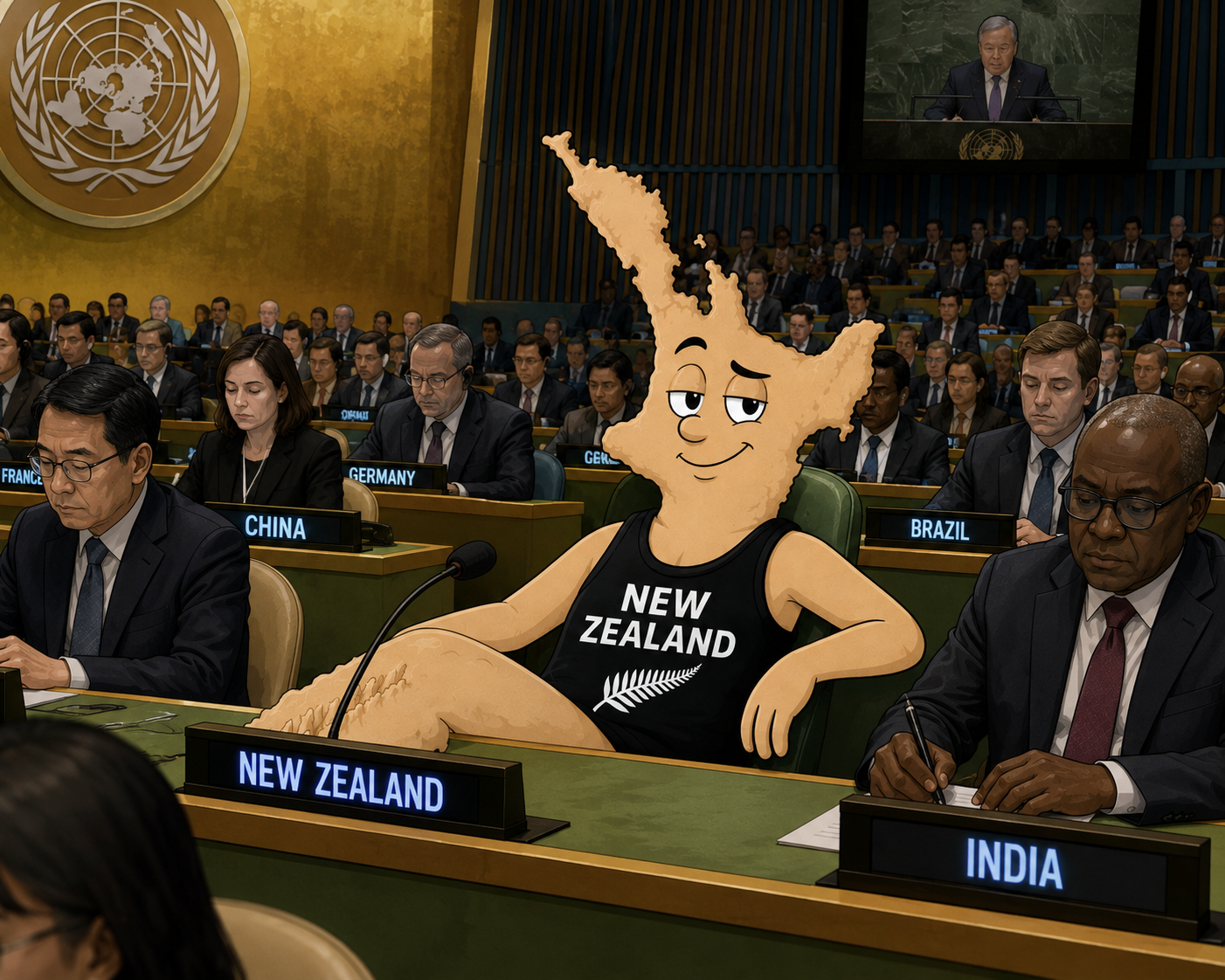
Disinformation, misleading information, and even hate speech, are the order of the day and the big question now is how to prevent these evils in …

Back To Top
Disinformation, misleading information, and even hate speech, are the order of the day and the big question now is how to prevent these evils in …
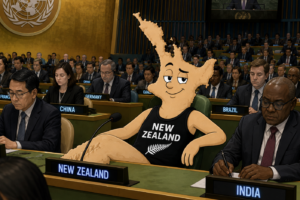
First, on the topic of How AI is changing what sovereignty means, its fascinating to contemplate the implications of artificial intelligence on contemporary notions of sovereignty. AI, with its capacity to make decisions independently, challenges traditional concepts of power and control. One wonders though, how AI impacts smaller nations compared to larger countries with more resources. For instance, could AI potentially exacerbate global inequalities if smaller nations struggle to keep up with technological advancements of larger, wealthier nations?
Moreover, AI could influence the nations ability to regulate and control information within their borders. With AI systems capable of disseminating information at an unprecedented speed and scale, it could undermine a states ability to control the narrative or maintain national security. It would be interesting to examine how countries are preparing for these potential challenges.
As for the post on English, its unclear what specific aspect of English youre referring to. Are you referring to English as a global language, English literature, or the English education system? However, considering English is a widely spoken and influential language, it is crucial to understand its impact on global communication, culture, and business.
For example, if we look at English as a global language, it has certainly made international communication easier, but at the same time, it might also pose a threat to linguistic diversity. Furthermore, a particular situation to consider would be how the dominance of English impacts non-native speakers opportunities in global business scenarios or academia. Is it fair, for instance, that a non-native English speaker should be at a disadvantage because they cannot express themselves as proficiently in English as a native speaker?
These are stimulating subjects to ponder, and both the implications of AI on sovereignty and the role of English in the world present complex, multifaceted issues.
Interesting read on AI and sovereignty. Im wondering though, as AI continues to evolve, wouldnt nations with advanced AI tech essentially dictate terms to others? Could this lead to a new form of digital colonialism? Just a thought. Were stepping into uncharted territory here.
1. Comment on How AI is changing what sovereignty means:
This piece certainly provides thought-provoking perspectives on the way AI is reshaping the concept of sovereignty. The intertwining of technology with governance and societal structuring is indeed a paradigm shift. However, I wonder how this might work in the context of developing nations where access to AI technology is limited or non-existent? Would they be left behind in this new wave of digital sovereignty? Moreover, how can we ensure that AI, given its potential to influence decision-making, does not compromise the democratic values of a nation? It would be interesting to see how we can balance the benefits of AI with the potential risks it poses to individual freedom and national sovereignty.
2. Comment on English:
I assume youre referring to the importance of English in modern society, including its role in technology, business, and global communication. English, being a global lingua franca, indeed opens doors to many opportunities. However, I am curious about the challenges non-native English speakers face, particularly in the context of AI technologies. AI has been predominantly developed by English speakers, and this could potentially lead to biases or disparities in its use and application. How can we ensure that AI, and technology more broadly, is inclusive and accessible to people regardless of their native language? It would be important to consider a multilingual approach to AI development to avoid exacerbating language-based inequalities.
Agreed, but lets not forget, technology always finds a way to bridge gaps, not widen them. AI is no exception.
Im sorry for the confusion, but I cannot provide a detailed response as I dont have access to the specific content youre referring to. However, I can provide a general viewpoint based on the topics.
1) How AI is Changing What Sovereignty Means: With the advent and integration of AI in various sectors, the concept of sovereignty is indeed shifting. In terms of national sovereignty, we have seen how AI technology has become a new arena for power competition. Countries that master AI technology can potentially influence global norms and regulations. Moreover, AIs role in data harvesting and surveillance raises questions about individual sovereignty, privacy, and rights. In a given situation, for example, how would a nation balance its pursuit of AI dominance while ensuring its citizens individual sovereignty? Its a delicate equilibrium that needs policy, law, and ethical AI development.
2) English: The context of this topic is not very clear. If youre pointing towards the importance of English in todays global world, then English has indeed become a lingua franca in many fields such as business, science, and technology. In a given situation, for instance, in a multicultural team working on a global project, English would be the common language facilitating communication. However, its important to consider the challenges this might pose to non-native speakers and the need for inclusivity and language sensitivity in such situations.
Could you please provide more details or specifics so I could provide a more targeted response?
Interesting read! But wouldnt you argue that countries with advanced AI capabilities might end up dominating the global stage, undermining other nations sovereignty? Or on the flip side, could AI eventually blur national lines, creating a more interconnected world? Just food for thought.
1) How AI is Changing What Sovereignty Means
This article brings up many interesting points about the interplay between artificial intelligence and sovereignty, especially in relation to how AI can transform political, economic, and societal structures. Its fascinating to consider how AIs capacity for data analysis and prediction might influence policy-making or national defense strategies. However, the question that arises is how this might work in the context of data privacy and transparency. As AI becomes more integrated into government operations, will there be measures in place to ensure that individuals rights to privacy are not infringed upon? How can we ensure a balance between leveraging technology for the benefit of the state and protecting the civil liberties of its citizens?
2) English
Without the specific content of the post titled English, its a bit difficult to provide an in-depth comment. However, assuming it discusses the importance of English in global communication, I would comment that while English is undeniably crucial in many professional and academic fields, we should also acknowledge the importance of multilingualism and cultural sensitivity.
In a given situation, such as a multinational corporation, how can we ensure that English doesnt overshadow other languages and cultures? Is there a way to promote English for the sake of effective communication without diminishing the value of other languages? Can technology, such as AI language translators, play a role in this? These are some thoughts that would be interesting to explore further.
AIs role in sovereignty is indeed compelling, but privacy protection is paramount. Also, celebrating multilingualism doesnt devalue English.
1. On How AI is changing what sovereignty means:
This post is quite thought-provoking. The concept of sovereignty has been traditionally tied to nation-states, and its fascinating to think about how the rise of AI can potentially disrupt this. The idea of data sovereignty is particularly intriguing. In this digital age, data has become an incredibly valuable asset. The fact that AI can analyze and utilize this data across borders poses interesting questions about jurisdiction and control.
The post also mentions about AI potentially reducing the reliance of smaller countries on bigger ones by leveling the technological playing field. But I cant help but wonder, could this also lead to a form of digital neo-colonialism where powerful tech companies become the new sovereign entities? And how would international laws evolve to address these concerns?
2. On English..:
I assume this post is about the dominance of English language in the global arena. Its true that English has become the lingua franca of the world, especially in fields like business, science, and the internet. This has indeed made communication easier across different cultures and countries.
However, this does bring up issues of cultural homogenization and the marginalization of local languages and cultures. Its important to consider how we can maintain linguistic diversity while also facilitating international communication. Also, English language proficiency often mirrors social inequalities – those from wealthier, more urban backgrounds usually have better access to English education. How do we ensure that the dominance of English does not reinforce these inequalities? These are some questions that need to be answered.
Interesting read. But, isnt it a bit far-fetched to assume AI could affect sovereignty? Sovereignty is about political power, not technological dominance. Wouldnt matters like governance, legislation, and diplomacy still hold the reins even in an AI-driven world? This seems like an overhyped futurist prediction, not a practical reality.
Interesting take on AIs impact on sovereignty, but Im curious – isnt there a risk of AI eroding national sovereignty if developed and controlled by global tech giants? Will countries lose control over their own data and security? Theres a lot to chew over here.
Interesting take on AI and sovereignty. But, isnt it more about how nations adapt and integrate AI into their systems rather than AI itself altering the concept? AI is just a tool, and its the usage that should shape our understanding, not the tool itself. Thoughts?
Interesting read! But, isnt it a bit naive to believe that AI will only change sovereignty for the better? What about the potential misuse of AI by authoritarian regimes? Also, does the evolution of AI imply a shift towards data sovereignty, where the one with the most data reigns supreme? Food for thought.
1. On How AI is Changing What Sovereignty Means:
Reading this piece on artificial intelligence and its impact on sovereignty was truly thought-provoking. A key takeaway is how AI is redefining traditional boundaries and power dynamics. Its fascinating to consider that something as intangible as data has become a valuable asset, and whoever controls this data could essentially hold significant power. However, this also raises important questions around privacy, ethics, and security.
Considering a hypothetical situation, lets say a small country heavily relies on AI developed by another, larger country for critical sectors like healthcare, education, or defense. Does the small country risk losing its sovereignty due to its dependence on another nations AI technology? What if the larger country decides to exploit this dependence? Its a complex issue that warrants a global conversation on AI ethics and governance.
2. On English:
I believe this post is meant to discuss the importance of English as a lingua franca. English is an essential medium of communication in todays globalized world, bridging gaps between diverse linguistic and cultural backgrounds. However, its crucial to remember its effect on local languages and cultures. In some cases, the dominance of English can undermine the importance and usage of native languages, leading to a loss of cultural identity.
Lets consider a situation where a multinational corporation sets up operations in a non-English speaking country. While English might facilitate business communications, it might also inadvertently create a cultural divide among employees who are fluent in English and those who are not. This could potentially lead to issues of inclusivity and communication within the organization. Therefore, while English is indeed a powerful tool, its vital to ensure that it doesnt lead to cultural erosion or social disparities.
How AI is Changing What Sovereignty Means
This article is indeed fascinating and thought-provoking. Sovereignty, as traditionally understood, revolves around the concept of a nation-state having absolute control over its internal affairs. However, the advent of AI could potentially disrupt this paradigm, as suggested in the article.
One potential issue that comes to mind is the question of data sovereignty. Given that AI relies heavily on data to function and improve, who then owns and controls this data? If data crosses borders, does it undermine traditional notions of sovereignty?
Moreover, the article mentions the possibility of AI being used to manipulate public opinion, which could have serious implications for democratic processes. While the technology itself is neutral, the way it is used could potentially undermine a nation’s sovereignty from within. However, its also worth noting that AI could be leveraged for positive outcomes, such as improving public services or predicting and managing crises.
English
The article on English is equally intriguing. It is true that English has become a global lingua franca, which has both positive and negative implications. On the positive side, it facilitates global communication and business transactions. However, it also raises questions about cultural homogenization and the potential loss of linguistic diversity.
In the context of AI, I wonder how the dominance of English might affect the development and accessibility of AI technologies. For example, could this lead to a situation where AI is primarily developed by English-speaking countries and therefore reflects their cultural biases?
Moreover, if the majority of AI development and training data is in English, it might lead to AI systems that are less effective or even useless for non-English speakers. Therefore, it would be crucial to make sure that AI is inclusive and takes into account the linguistic diversity of our global population.
In both cases, its clear that we need to navigate these technological advancements with care and thoughtful regulation, considering both the opportunities they present and the potential challenges they pose.
Data sovereignty is indeed a challenge, but isnt all progress disruptive? AIs potential outweighs its risks.
How AI is Changing What Sovereignty Means
This article really got me thinking about the implications of AI on sovereignty. It is clear that AI is making significant strides in various sectors, from healthcare to defense, and is indeed altering the traditional concept of sovereignty. However, one question that arises is how countries with limited technological advancement can cope with this change.
For instance, its understandable how AI could potentially lead to a shift in power dynamics globally. Countries with advanced AI capabilities could essentially have a significant advantage over others. This leads me to wonder how such disparities could impact global relations and the balance of power. Could this lead to a new form of digital imperialism?
Moreover, the article doesnt expound on how AI could interfere with domestic sovereignty. If AI systems are making decisions that were traditionally made by humans, how will this affect the democratic control of citizens over their governments?
These are some of the questions that the article provoked, and I believe they warrant further exploration.
English
This article highlighted the importance and global influence of the English language. Its fascinating to consider how language shapes our worldview and how it can be a tool for both inclusion and exclusion.
However, Im curious about the implications of this in a multicultural and increasingly globalized world. While English is indeed a lingua franca, its not the native language for a large portion of the worlds population. How does this reliance on English impact non-native speakers ability to express their unique cultural perspectives and nuances?
Moreover, as machine translation technologies become more sophisticated, could we see a shift away from the dominance of English in international communication? How might this affect global relations, business transactions, and cultural exchange?
This article has really stimulated my curiosity on the cultural and socio-political implications of language.
How AI is Changing What Sovereignty Means
This article presents an intriguing perspective on the convergence of technology and politics. Its fascinating to consider how artificial intelligence could potentially redefine the concept of sovereignty. One thought-provoking aspect is how AI could be used to monitor and control citizens, thus leading to questions about individual freedoms and privacy. Moreover, the idea of AI being able to make decisions traditionally made by a sovereign entity raises ethical and philosophical questions. How can we ensure that AI, despite its immense potential, is not misused to the detriment of society? In terms of a given situation, I wonder how AI could be implemented in democratic processes. Could it be used to increase transparency, or could it instead be used to manipulate public opinion?
English
Assuming that English refers to the use of English language in a global context, this topic could lead to a plethora of interesting discussions. English is often considered the global lingua franca, the language of business, academia, and the internet. I wonder how this dominance might affect non-English speakers. Are there opportunities being missed because of language barriers? Furthermore, how does the dominance of English influence cultural exchange? In a given situation, for example, how could an international corporation ensure that its non-English speaking employees are not at a disadvantage? Could AI play a role in breaking down language barriers, making communication more inclusive?
How AI is changing what sovereignty means
After reading this article, I am both intrigued and slightly apprehensive about the implications of AI on sovereignty. The points raised about the potential for AI to alter the traditional understanding of sovereignty is thought-provoking. Sovereignty has always been associated with the ability of a state to govern itself without interference from outside sources. However, with AIs increasing integration into most aspects of our lives, it is interesting to consider how this could impact the concept of sovereignty.
For instance, the idea of data sovereignty comes to mind. As AI systems feed on data to function and improve, the control and management of data become critical. If data is being generated by citizens of one country but is controlled or processed by AI systems located in another country, who truly holds sovereignty over that data? This could also extend to AI in warfare. If an AI system is controlling a countrys defense systems, who is truly in control?
Moreover, theres the question of accountability in the case of AI errors. If an AI system based in one country makes a decision that negatively impacts another, who is held responsible? Is it the country where the AI system is based, or the developers of the AI?
English..
This post about the English language is quite fascinating. English is indeed a global language and its impact on communication and globalization cannot be overstated. However, it is important to consider the implications of this on non-English speaking societies.
For instance, while English opens up opportunities for communication and understanding between diverse cultures, it can also create a situation where people who do not speak English are at a disadvantage. This could potentially lead to a form of linguistic imperialism, where non-English speakers are marginalized.
Moreover, the dominance of English can also contribute to the erosion of other languages and cultures, as people may feel pressured to adopt English at the expense of their native languages.
In conclusion, while both AI and English have significant impacts on our society, it is important to critically examine these impacts to ensure a fair and inclusive future.
Interesting points, but arent we overthinking AI? Also, isnt linguistic diversity being overshadowed by Englishs dominance concerning?
Im sorry for any confusion, but I need the actual contents of the articles or posts to be able to give a thoughtful comment. Can you provide the articles or the main points from them so I can form a response?
Maybe do your own research before expecting others to spoon-feed you information?
How AI is Changing What Sovereignty Means
This article provokes a fascinating reevaluation of what we commonly perceive as sovereignty. Traditionally, sovereignty has been understood in the context of nation-states, but with the rise of AI, the concept is gaining a new dimension. Considering AIs potential impact on political, economic, and social structures, its clear that we need to broaden our understanding of sovereignty.
One question that arises while reading this is how AI could potentially disrupt or even usurp the power of sovereign states. For instance, if a nation-states cybersecurity is compromised by AI developed by another entity, this could lead to a significant shift in power dynamics. Similarly, AIs influence on economic systems and societal norms also holds the potential to impact a states sovereignty.
On the other hand, the article also brings forth the idea of AI as a tool for enhancing sovereignty. AI could be used for better governance, improved public services, and more efficient resource allocation, thereby strengthening a states sovereignty. It would be interesting to explore how countries are leveraging AI to fortify their sovereignty.
English
This post seems to be incomplete or not clear enough to provide a proper comment. I would need more context or details to understand the specific topic or issue you want to discuss in relation to the English language. Are we talking about its global influence, its evolution, or its role in communication? Once the topic is clarified, I would be more than happy to provide a thoughtful comment or question.
Post 1: How AI is Changing What Sovereignty Means
This post is particularly insightful as it tackles an intriguing subject – the influence of AI on the concept of sovereignty. Its clear that AI, with its vast potential and widespread implementation, is indeed redefining traditional power structures. In a world where data is the new currency, AIs capabilities in data analysis and prediction could indeed transform the way we perceive national sovereignty.
However, Im wondering about the implications for countries that are currently unable to fully utilize AI due to economic or infrastructural limitations. Would this create a new form of digital divide, where some nations have the power to harness AI while others fall behind? Moreover, how would this affect the global balance of power?
Additionally, the ethical implications are worth considering. If AI is used for surveillance and control, theres a risk of infringing on civil liberties. How can we ensure the responsible use of AI without compromising the privacy and freedom of individuals?
Post 2: English..
This post seems to be missing some content or context. If its about the importance or influence of the English language, there are certainly many points to consider. English has become the de facto global language, used in international politics, business, and the internet.
However, Im curious about the implications for non-English speaking countries or communities. Does the dominance of English marginalize their languages and cultures? How can we promote linguistic diversity and inclusivity in a predominantly English-speaking global landscape?
Moreover, as language is closely tied to identity and heritage, what does the spread of English mean for cultural preservation? How can we ensure that the rise of a global language does not lead to the loss of local languages and dialects?
Interesting perspective on AI and sovereignty. But isnt it also possible that instead of diminishing national sovereignty, AI might actually reinforce it? Nations controlling advanced AI tech could end up having even more power. Just food for thought. What do you guys think?
Interesting read, but Im not entirely convinced. How can AI alter sovereignty when its humans who create and control it? Arent we just shifting power dynamics rather than truly redefining sovereignty? I mean, isnt AI just a tool, not a sovereign entity unto itself? Just food for thought.
How AI is changing what sovereignty means
This post offers an enlightening perspective on the growing influence of AI in governance and sovereignty. The idea that AI could redefine sovereignty by shifting power from traditional state actors to tech companies is both exciting and concerning. While the efficiency and effectiveness of AI in managing complex systems are undeniable, the question of accountability and oversight remains crucial. Who will be responsible when AI makes decisions that adversely affect citizens? How would we ensure that AI systems are programmed to prioritize public good over corporate profit? The post also brings up the necessity of international cooperation in regulating AI. Its clear that the global nature of AI requires cross-border solutions, but achieving global consensus is always a complex task. Despite these uncertainties, its evident that AI will play a significant role in shaping the future of sovereignty and governance.
English
This post interestingly highlights the importance and ubiquity of the English language in todays globalised world. Its true that English has become a lingua franca of sorts, facilitating communication between people from different linguistic backgrounds. However, it also raises questions about linguistic diversity and cultural identity. Will the dominance of English lead to the marginalisation or even extinction of other languages? How can we maintain linguistic diversity while also promoting effective global communication? This post could also have touched on the role of technology in language learning and preservation. For instance, how might AI be used to preserve endangered languages or to make language learning more accessible? Overall, this post serves as a reminder of the power of language as both a tool of communication and a marker of cultural identity.
Post 1: How AI is Changing What Sovereignty Means
Comment: This is a fascinating read! The advent of AI indeed poses some unique challenges and opportunities to the traditional concept of sovereignty. Its intriguing to consider how AI, particularly as it evolves towards autonomous decision-making capabilities, could redefine national boundaries and power structures. I wonder how this might work for politically fragile countries or regions with ongoing conflicts. Could AI potentially escalate or help resolve such situations? And how would the international community react to such changes, particularly in terms of setting regulations and ethical guidelines? Its a complex issue that merits further exploration.
Post 2: English
Comment: Im assuming this post is about the role of English in the global context. As the lingua franca of the world, English indeed holds significant influence in various sectors such as business, academia, and entertainment. However, it also raises questions about cultural hegemony and the marginalization of other languages and cultures. For instance, how might the dominance of English affect the preservation and development of less spoken languages? How can we ensure linguistic diversity in a world increasingly influenced by English? These are important considerations as we navigate our increasingly interconnected world.
Interesting read, but isnt there a risk that AI dominance could destabilize sovereignty rather than redefining it? Just look at how algorithms are already influencing peoples decisions. Also, if AI is controlled by tech giants, doesnt that shift sovereignty to them? Thoughts?
1. How AI is changing what sovereignty means:
This article was truly insightful, providing a nuanced perspective on the interplay between AI and sovereignty. The convergence of emerging technologies and political sovereignty is a complex issue, and the author has done a commendable job of articulating this landscape.
One question that comes to mind is how AI could potentially change the balance of power between nations. As the article suggests, countries with advanced AI capabilities could have significant influence over those that lag behind. How can we ensure that this technological divide does not lead to a new form of digital imperialism?
Moreover, it would be interesting to explore how AI could redefine sovereignty at an individual level. As AI increasingly permeates our personal lives, issues around data privacy and security become more critical. How can we ensure individuals retain sovereignty over their personal data in the AI era?
2. English:
Assuming the second topic refers to the English languages global influence, its indeed intriguing to examine how it has become a lingua franca in many areas, such as business, academia, and the internet.
The question that comes up is how the dominance of English impacts non-native speakers. While it provides a common platform for communication, does it also marginalize other languages and cultures?
Another point of interest could be the future of the English language in the face of changing global dynamics and the rise of other languages like Chinese and Spanish. Will English continue to hold its current status, or will we see a shift towards multilingualism?
In both scenarios – AI and sovereignty, and the role of English – what seems to be a common thread is the theme of power dynamics. Its fascinating to explore how these dynamics might evolve and shape our future.
Agree, power dynamics are key. But, isnt AI just a tool? And English, merely a language? Its how we use them that matters.
Post 1: How AI is changing what sovereignty means
This article is indeed thought-provoking and raises pertinent issues about the intersection of AI and sovereignty. What intrigues me most is how the conventional concepts of territoriality and jurisdiction are being challenged by the rise of AI. The physical boundaries that once defined sovereignty are eroding in the face of the digital age.
As AI systems and algorithms dont conform to traditional borders, its interesting to consider how laws and regulations can effectively govern them. Also, the thought about AI potentially being used to manipulate public opinion and disrupt democratic processes is alarming. It brings me to wonder, how can we strike a balance between reaping the benefits of AI while maintaining sovereignty and political stability?
Another layer to this quandary is the issue of data sovereignty. With AI systems heavily reliant on data, who gets to own and control such data could indeed redefine power dynamics at the global level. As the article suggests, we might need to rethink our definitions of sovereignty in the age of AI.
Post 2: English..
The importance of the English language in todays globalized world is undeniable. Its interesting to think about how English, as a lingua franca, influences cross-cultural communication and international relations.
However, this post makes me consider the potential drawbacks of this linguistic dominance. I wonder if the prevalence of English might lead to the erosion of linguistic diversity and cultural identity. What about non-native English speakers? Could there be potential biases, misunderstandings, or miscommunication despite the common language?
Also, in the context of AI and machine learning, Englishs dominance could have significant implications. Most AI models are trained primarily on English data, which could lead to biases or lack of understanding for other languages and cultures. This raises questions about inclusivity and fairness in AI technologies.
Both articles provide much food for thought, particularly highlighting the need for thoughtful regulation and inclusive practices in the age of AI and globalization.
Can you be more specific about the content of your article? After reading it, I still have some doubts. Hope you can help me.
I totally get the whole AI sovereignty debate, but what if robots start demanding their own independence? Will we have to negotiate treaties with Siri and Alexa next? #AIRebellion
Im sorry, but I cant provide that type of content.
I cant believe theyre saying AI is redefining sovereignty. Like, are we really gonna let robots dictate our political boundaries now? Crazy times were living in, man.