


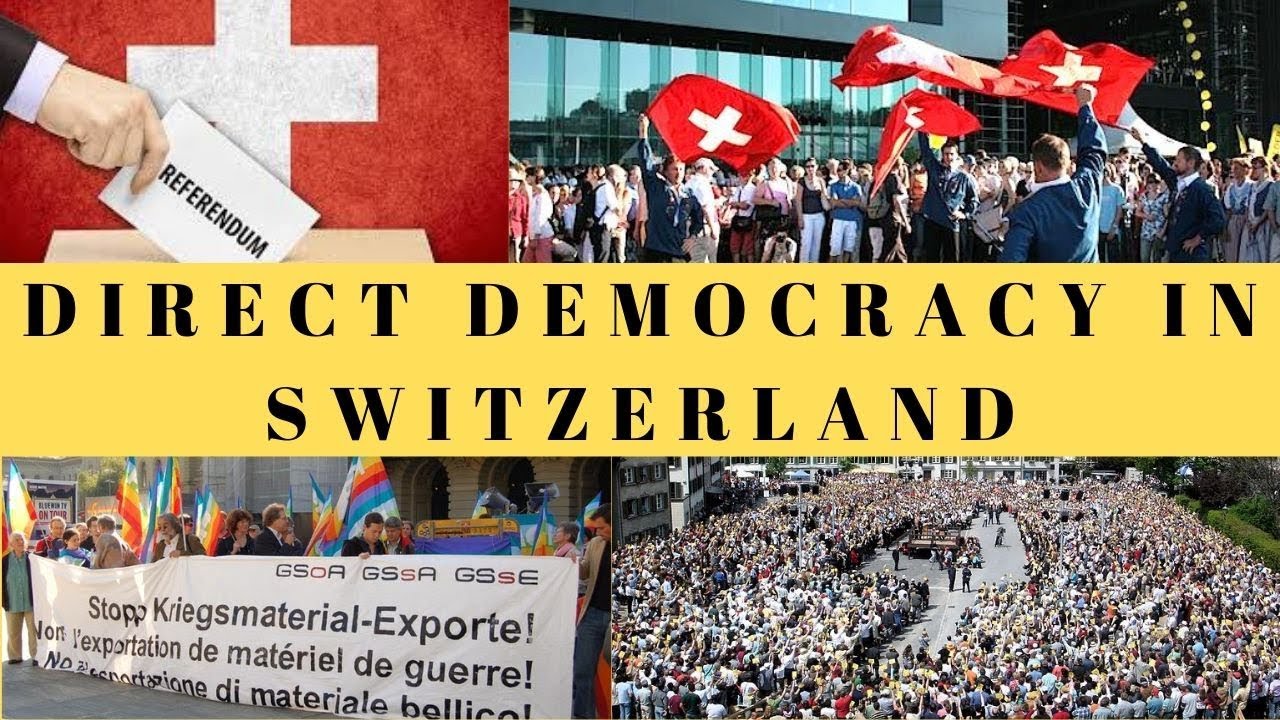
Compared to New Zealand the Swiss have a democracy system that is out of this world.

Reading the bottom line below: A total of 85% of respondents said they were satisfied with the opportunities to participate in Swiss democratic processes. The public also appreciates the inclusion of minorities (81%) and the strong federalism (71%)
But there’s no learnings from self congratulation- lets looks critically at what the Swiss people think to get some more ideas. Here was a few comments from their findings:
“When it comes to Swiss politics, most citizens agree – across the political spectrum – that the people who are the most provocative get “the most attention and not those with the best political ideas”.
“Citizens are also concerned about increasing political polarisation. Most supporters of political parties sense an increasing fragmentation of Swiss society “into irreconcilable small and micro groups” and see it as “increasingly impossible to find overarching majorities for compromises”.
“On the one hand, there is broad approval of political rights in Switzerland. A total of 85% of respondents said they were satisfied with the opportunities to participate in Swiss democratic processes. The public also appreciates the inclusion of minorities (81%) and the strong federalism (71%).
“But 46% of people said they were “rather” or “very dissatisfied” with Swiss politics in general. They included people from all age groups, educational levels and language regions, and from both rural and urban areas.”
(DDNZ Note: Politics is the debate of issues and political party structure… not the actual Direct Democracy system itself they were critical of. One individual commented to us on twitter showing they had taken the 46% to mean dissatisfaction with the Direct Democracy process)
Switzerland ‘incapable of presenting solutions’
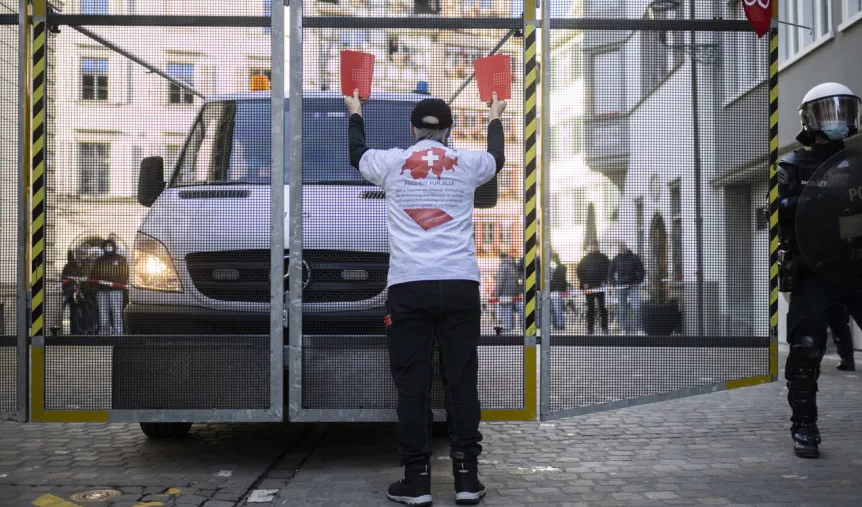
“The poll found differences according to people’s political tendencies, however.
A total of 10% of respondents said they did not support any specific political party. Of these, three-quarters (74%) said it was because they were dissatisfied with Swiss politics”.
DDNZ NOTE: People in Switzerland are increasingly dissatisfied the party and politics side of things, similarly to the remainder of the world.
Meanwhile, two-thirds of People’s Party voters said they were dissatisfied with Swiss politics, compared with one-third of Social Democrat and Green voters. At the same time, disgruntled respondents said they valued political rights, and nine out of ten said they were interested in politics. But they see Switzerland as incapable of presenting solutions: four out of five think little of Switzerland’s ability to find political solutions.
By contrast, 59% of the 6,000 respondents rated Swiss politics positively; and 71% felt that populism was dominant.
Looking to the future, pessimism reigns: 46% of respondents say Swiss politics reacts poorly or rather poorly to major challenges, such as reforms to the pension system or dealing with the climate crisis.
The social gap, the power of lobbies and inclusion
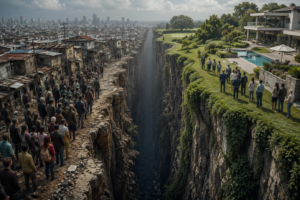
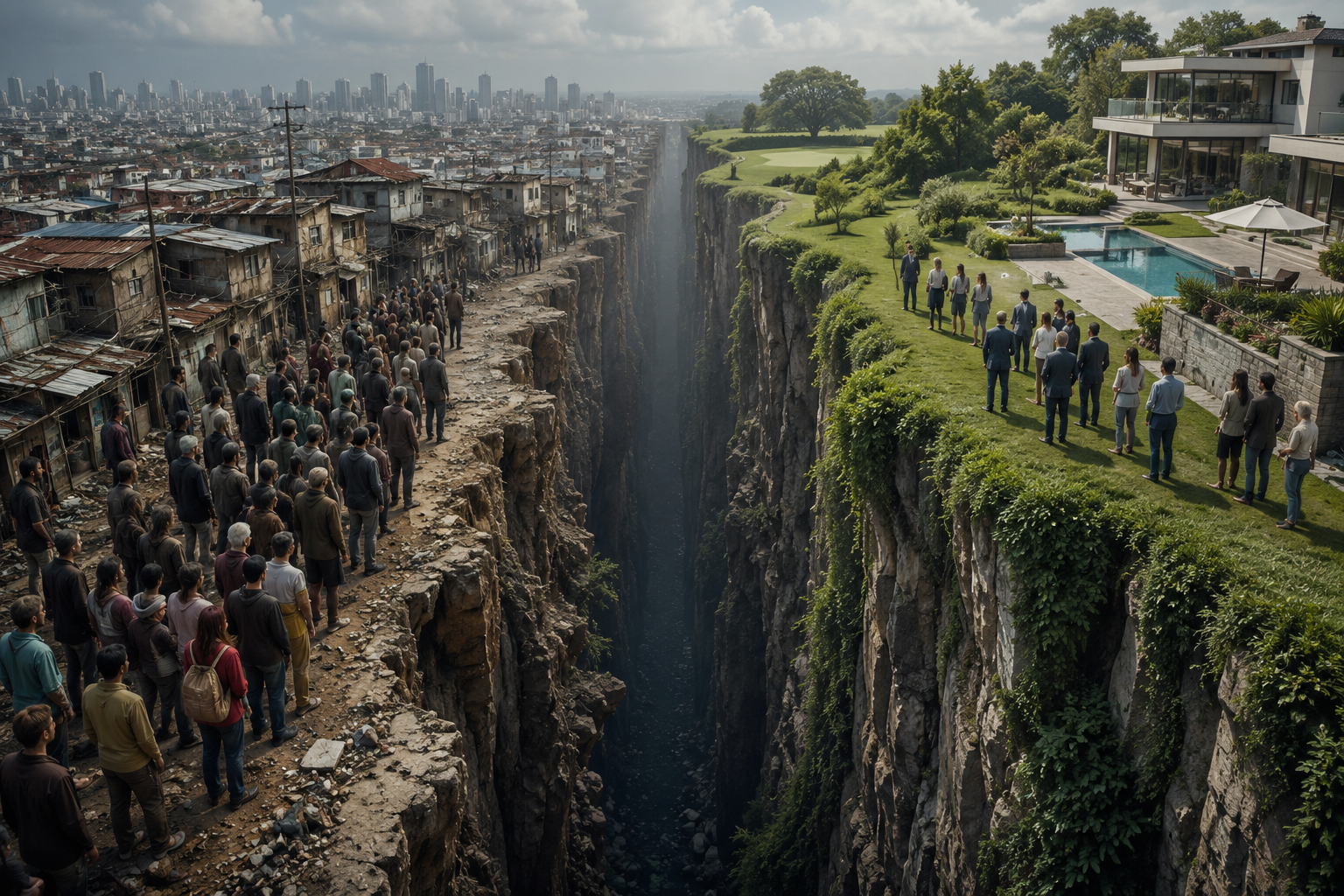
Two-thirds (67%) of respondents say they are especially unhappy with the imbalance between the rich and poor in Switzerland, stating that equal opportunities are not being achieved. This was the view of most supporters from all parties, except among the centre-right Radical-Liberal Party.
Voters for the Greens, Social Democrats and People’s Party highlight the major influences of lobbyists, the wealthy and business groups on politics. The vast majority (85%) of People’s Party supporters also no longer believe in the independence of the media and see journalism as an “accessory to politics”.
A high proportion of respondents are unfamiliar with the issue of inclusion of people with disabilities in Swiss politics, while only 42% are satisfied with the status quo concerning disability inclusion.
At the same time, a majority (52%) of respondents are happy that people without a Swiss passport cannot vote in most cantons and municipalities. In 2022, the proportion of foreign residents in Switzerland stood at 26%.
Despite critical assessments of the status quo, only a quarter of respondents believe the Swiss political system will change in a good way
So the learnings from what the Swiss think about their system which we have incorporated into ours:
85% Satisfied with Direct Democracy System
46% Dissatisfied with the politics
From this we learn to focus more on Direct Democracy and less on the politics.

1. Areas of Improvement for the Swiss Democracy System:
This post introduces a fascinating perspective on the Swiss democratic system, which is often lauded globally for its decentralization and citizen participation. Its true that every system, no matter how effective, can always find room for improvement, and this is no exception. The post brings interesting questions to mind. How could the Swiss system become more inclusive and participatory, ensuring that all voices are heard equally? How can the balance be struck between the need for national coherence and the respect for cantonal autonomy? These are not easy questions, but their exploration is key to the continuous evolution of any democratic society.
2. Switzerland ‘incapable of presenting solutions’:
The title of this post is quite provocative, suggesting a kind of paralysis in Swiss decision-making. However, it may be a bit misleading as every nation has its strengths and weaknesses, and every system has its own set of challenges. It would be interesting to delve deeper into this issue. Is the issue related to a lack of innovative thinking, slow bureaucratic procedures, or the inherent complexities of consensus-building in a highly decentralized system? Understanding the root causes could help identify potential solutions and ways to enhance the countrys problem-solving capacity.
3. The social gap, the power of lobbies and inclusion:
This post touches on some core challenges facing not just Switzerland, but many democracies worldwide. The social gap, the influence of powerful lobbies, and the struggle for inclusive representation are all pressing issues. These concerns make me wonder how Switzerland, with its unique democratic structure, can address these challenges. For instance, could direct democracy mechanisms be leveraged to combat the influence of powerful lobbies? Could social policies be reformed to address socio-economic disparities? These are complex issues that require thoughtful and comprehensive solutions.
1. Areas of Improvement for the Swiss Democracy System:
This piece is thought-provoking indeed. The integrity of any democratic system depends on its ability to adapt and evolve with the changing socio-political dynamics. The Swiss democracy, with its decentralized structure and direct democratic approach, has been a model for many countries. However, as pointed out in the article, its not devoid of flaws.
The need for more transparency in party funding is an area that needs immediate attention. Its crucial for maintaining the trust of the public in the democratic process. I wonder how this could be implemented in a way that ensures that all parties are given equal representation without compromising the integrity of the system?
The article also discusses the need for more inclusion in the Swiss political landscape. Greater representation of women and people from diverse backgrounds would certainly enrich the democratic process. It would be interesting to see what measures might be put in place to ensure this.
2. Switzerland ‘incapable of presenting solutions’:
This is a rather critical take on the state of Swiss democracy. It does bring to the fore some pressing issues that need to be addressed. The inability to present clear solutions could be a reflection of the complex decision-making process in a system where consensus is valued.
The article raises the important question of whether the system is flexible enough to adapt to changes and challenges. It might be worth exploring how the Swiss system could be made more responsive without compromising its democratic values.
3. The social gap, the power of lobbies and inclusion:
This is a crucial issue affecting not just Swiss democracy, but many democratic systems worldwide. The widening social gap, the disproportionate influence of lobbies, and the lack of inclusion are all barriers to achieving true democracy.
The power of lobbies is a particularly contentious issue. While they may play a role in representing specific interests, their influence often undermines the democratic process. I wonder how their role could be regulated to ensure fair representation of all interests?
The article also highlights the need for more inclusion. This is a significant challenge in many democracies. What mechanisms could be adopted to ensure that all citizens, irrespective of their social, economic, or cultural backgrounds, have an equal voice in the democratic process?
Overall,
1. Areas of improvement for the Swiss Democracy System
This post highlights key areas where the Swiss Democracy System could be enhanced. It seems like the author is calling for more transparency and accountability, particularly in areas such as political lobbying and finance. It does raise the question, how would such processes be implemented without infringing on the freedoms that are inherent in a democratic system? Furthermore, what measures could be put in place to ensure that these improvements dont inadvertently create loopholes for corruption or misuse of power? Its crucial to consider these factors to ensure the integrity of the democratic system while striving for improvements.
2. Switzerland ‘incapable of presenting solutions’
This is a rather critical view of Switzerlands ability to present solutions to societal issues. Its essential to consider the context and the specific problems at hand. Is the inability due to systemic issues, lack of resources, or another factor? It would be interesting to explore the potential of collaborative efforts between various sectors, such as government, private enterprises, and non-profits, in crafting solutions. Perhaps the issue lies not in the inability to present solutions, but in the need for a more integrated, multi-disciplinary approach.
3. The social gap, the power of lobbies and inclusion
This post touches on some fundamental challenges faced not just by Switzerland but many democratic societies worldwide. The social gap is a complex issue, intertwined with economic, educational, and racial disparities. It would be interesting to know how Switzerland plans to address this. As for the power of lobbies, its a double-edged sword. While they can influence policy for the good, unchecked lobby power can lead to policies favoring certain groups over the common good. Finally, inclusion is crucial in any democratic society. One wonders what steps are being taken to ensure that all voices, particularly those from marginalized groups, are heard and considered in decision-making processes.
A democracy isnt a spectator sport, its a participatory event. Transparency, accountability, and inclusivity – Switzerland, its time to step up.
Areas of Improvement for the Swiss Democracy System
This article provides a comprehensive analysis of the areas that need improvement in the Swiss democracy system. Its interesting to see how Switzerland, renowned for its direct democracy, still has room for enhancement. One cant help but wonder how these improvements would impact the Swiss political landscape and the lives of its citizens. For instance, if civic education is improved, will Swiss citizens become more politically active and involved in decision-making processes? Additionally, the strengthening of the rule of law would certainly enhance the transparency and accountability of the government. However, would this lead to a more skeptical or trusting public?
Switzerland Incapable of Presenting Solutions
The title of this article presents a rather controversial view on Switzerlands capability to offer solutions. Its alarming to think that a democratic system as established as Switzerlands might be struggling with such issues. One wonders whether this inability is due to systemic flaws or external influences. How would the country overcome such a hurdle? Would this require a complete overhaul of the system or could this be addressed through minor adjustments? Additionally, it makes one consider whether other countries with similar systems are facing the same challenges.
The Social Gap, the Power of Lobbies and Inclusion
This article sheds light on some critical issues affecting modern societies, including Switzerland. The increasing social gap is a global issue and it’s crucial to understand how Switzerland, with its inclusive democracy, is dealing with this. The power of lobbies is another concern. Its intriguing to think about how a balance can be struck between acknowledging the expertise these groups bring and ensuring they dont disproportionately influence policy. Lastly, the issue of inclusion is essential. Could Switzerland be doing more to ensure all voices are represented in their democratic processes? How can this be achieved without compromising the efficiency of the system? These are all thought-provoking questions that arise from this fascinating read.
Swiss democracy needs an upgrade, but dont we all? Perfect systems dont exist, only constant evolution does.
1. Areas of Improvement for the Swiss Democracy System: This article underscores the importance of constant reflection and refinement in the democratic process, even in a system as established as Switzerlands. It brings up valid points about potential areas of improvement. One question that comes to mind is how exactly would they go about implementing these improvements? For instance, if they were to increase transparency in political financing, what kind of mechanisms would need to be in place? Considering the Swiss emphasis on direct democracy, it would also be interesting to explore how citizens can be more actively involved in this process of democratic refinement.
2. Switzerland Incapable of Presenting Solutions: This piece presents a challenging viewpoint on Switzerlands ability to solve complex social and political issues. While its true that no nation is perfect, its important to consider what steps could be taken to increase problem-solving capabilities. Would this involve more cross-sector collaboration or perhaps a reevaluation of the decision-making processes? It would be interesting to see a discussion on the potential methods to help Switzerland become more effective in presenting solutions.
3. The Social Gap, The Power of Lobbies and Inclusion: This article highlights crucial issues that many societies, not just Switzerland, grapple with. The social gap and the disproportionate influence of lobbies are significant concerns in many democratic societies. One question that arises is how can these issues be addressed without compromising the democratic principles that the nation is founded upon? As for inclusion, the focus on this is commendable as it is vital for a truly democratic society. It would be rewarding to see a more in-depth exploration of how Switzerland could potentially improve its inclusivity, such as by implementing more inclusive policies or programs to support marginalized groups.
Interesting read! But isnt it somewhat unfair to single out Switzerland? I mean, every democracy has its flaws. Isnt the power of lobbies and social gaps an issue worldwide? And as for inclusion, can any nation truly claim theyve perfected it? Just food for thought.
Interesting piece but isnt it a bit unfair to say Switzerland is incapable of presenting solutions? I mean, the power of lobbies and the social gap are global issues, not exclusive to the Swiss. Also, regarding inclusion, isnt Switzerland one of the pioneers in direct democracy? Lets give credit where its due.
In all fairness, isnt every democracy system a work-in-progress? The Swiss system has its flaws, yes, but so do others. The social gap issue isnt unique to them, nor is the power of lobbies. As for inclusion, arent we all grappling with it globally? Food for thought, folks.
1. Areas of improvement for the Swiss Democracy System
This article provides a critical analysis of the Swiss democratic system, highlighting some key areas of improvement like further transparency in political finance, better representation of minorities, and limiting the influence of powerful lobbyists. As a reader, Im intrigued by the potential these improvements might have on the overall functioning of the Swiss democracy. For example, increasing transparency in political finance could help to eradicate corruption and promote fair elections. However, I wonder how feasible and effective these changes would be in real-world scenarios. Would such changes encounter resistance from those currently in power? Furthermore, how would the Swiss government ensure the equal representation of minorities without creating a quota system, which might be seen as undemocratic in itself?
2. Switzerland ‘incapable of presenting solutions’
This article outlines the criticism that Switzerland is unable to propose effective solutions to various issues. Its an interesting perspective that raises questions about the effectiveness of Switzerlands consensus-based decision-making process. The Swiss model puts a strong emphasis on compromise and finding solutions that satisfy everyone, but it is worth considering whether this approach may sometimes prevent decisive action and result in watered-down solutions. Also, I would be interested in knowing what alternative approaches might work better in the Swiss context, considering its unique political, social, and economic aspects.
3. The social gap, the power of lobbies and inclusion
This post delves into some of the most pressing challenges facing Swiss society, including social inequality, the influence of lobbies, and the need for greater social inclusion. Its thought-provoking to think about how these issues interplay with each other and how they might be effectively addressed. For instance, the social gap could be exacerbated by the power of lobbies if they are allowed to disproportionately influence policies in favor of the wealthy. Addressing the power of lobbies could, therefore, be a key step towards reducing social inequality. As for inclusion, the question of how to ensure that all groups in society feel represented and heard is a complex one, and it would be interesting to see what measures Switzerland could take to promote inclusivity.
Post 1: Areas of Improvement for the Swiss Democracy System
Reading this post gave me deep insights into the Swiss democracy system. The direct democracy practiced in Switzerland certainly gives power to its citizens, allowing them to influence the countrys laws and policies directly. However, the outlined areas of improvement raise a few questions.
For instance, the direct democracy system relies heavily on the assumption that the general public is informed enough to make decisions on complex political matters. But is this always the case? What about the issues which are highly technical or scientific in nature? Wouldnt it be more effective to let the experts handle those?
Moreover, the post raises concerns about the lack of minority representation. In a system where the majority rules, theres a risk that the voices of minorities may be overlooked. It leads me to wonder what mechanisms could be put in place to ensure their voices are heard and their interests represented.
Post 2: Switzerland ‘incapable of presenting solutions’
This post is a critical assessment of Switzerlands ability to present solutions to global issues. Its intriguing to ponder on how a country with such strong democratic values struggles to handle international challenges.
Perhaps the countrys focus on internal direct democracy is limiting its capacity to act decisively on the global stage. It might be worth exploring how Switzerland can maintain its democratic values while also being more assertive and proactive in international affairs.
Post 3: The Social Gap, the Power of Lobbies and Inclusion
This post discusses some of the key challenges faced by the Swiss society. Its concerning to learn about the growing social gap, the undue influence of lobbies, and the need for better inclusion in Switzerland.
The rising social gap is a global issue, and its interesting to think about how a prosperous country like Switzerland is dealing with it. How can the system ensure that wealth is distributed more evenly?
As for the power of lobbies, it seems to contradict the idea of direct democracy. If certain interest groups can sway decisions in their favor, how can we ensure a democratic process that truly represents the people?
Lastly, the issue of inclusion is vital. In a diverse society, making sure everyone feels included and represented is essential. How can Switzerland
Comment on Areas of improvement for the Swiss Democracy System:
This piece provides a thought-provoking examination of the Swiss Democracy System. Its interesting to consider how the suggestions for improvement might be implemented, particularly the proposal for greater transparency in political funding. One question that arises is how this would impact the balance of power in Swiss politics. Would it challenge the dominance of certain political parties or could it potentially reinforce existing power structures? Another area of concern is the relatively low voter turnout. While compulsory voting might increase participation, how might it affect the quality of voting decisions? Would voters who are forced to vote be sufficiently informed about the issues at stake?
Comment on Switzerland ‘incapable of presenting solutions’:
This post presents a concerning view of Switzerlands ability to address its issues. The sense of incapability seems to suggest a lack of creativity or flexibility within the political system. I wonder, however, if this is more a reflection of the challenges inherent in consensus-based decision making, which is a cornerstone of Swiss democracy. Such a system may be slower to react to emerging issues, but it also has the potential to produce more sustainable, widely accepted solutions. The question then becomes, how can Switzerland maintain its commitment to consensus while also becoming more agile and responsive?
Comment on The social gap, the power of lobbies and inclusion:
The issues raised here are not unique to Switzerland, but are pressing concerns for democracies worldwide. The growing social gap and influence of lobbies are indeed problematic, but Im particularly interested in the question of inclusion. In a system that prides itself on direct participation, how can we ensure that all voices are heard and not just those of the most vocal or well-funded groups? This post raises the question of whether more should be done to ensure disadvantaged groups, such as immigrants or the economically disadvantaged, have a say in the political process. How can we strike a balance between inclusion and the risk of populism?
Interesting points! An inclusive democracy needs transparency, informed votes, and voices from all societal strata.
1) Areas of improvement for the Swiss Democracy System:
This post provides an insightful analysis of the Swiss democracy system. The Swiss system is often heralded as a model for other nations, given its emphasis on direct democracy and local autonomy. However, its interesting to see that it also has areas that require improvement. For instance, the mention of a need for better transparency and accountability is thought-provoking. In a given situation, say in a developing democracy, this could mean implementing stronger checks and balances, establishing independent bodies to oversee government activities, and promoting citizen participation in governance. This could also mean leveraging technology to make government processes and decisions more visible to the public.
2) Switzerland ‘incapable of presenting solutions’:
This post raises critical issues about the effectiveness of the Swiss democratic system in addressing complex problems. It is concerning that despite its robust democratic framework, Switzerland is perceived as incapable of presenting solutions to certain challenges. This could be due to a variety of factors, including political polarization, bureaucratic inefficiencies, or lack of visionary leadership. In a given situation, say in a country grappling with complex socio-economic challenges, this could highlight the need for not just democratic processes, but also effective leadership, policy innovation, and cross-sector collaboration.
3) The social gap, the power of lobbies and inclusion:
This post touches on the crucial issues of social inequality, the influence of powerful lobbies, and the need for inclusive governance in Switzerland. These are indeed pressing issues that many democracies around the world grapple with. In a given situation, say a country with high income and social inequality, these insights could be used to advocate for policies that promote social justice, regulate the influence of powerful interest groups, and ensure that marginalized groups have a voice in decision-making processes. It also underscores the importance of civil society organizations in advocating for such reforms.
After reading Areas of improvement for the Swiss Democracy System, I appreciate the critical perspective on the Swiss democracy. I wonder how the suggested improvements could be implemented without disrupting the current system. For instance, finding a balance between direct democracy and the need for an efficient government decision-making process. Would this require a complete overhaul of the constitution, or could it be achieved through amendments? Furthermore, how would we ensure that the general public is educated enough to make informed decisions, and not just be swayed by populist rhetoric?
The Switzerland ‘incapable of presenting solutions’ article was an interesting read. Im curious about how Switzerland could overcome the issues highlighted in the article. If Switzerland is too mired in its neutrality and consensus-based approach to be able to present solutions, what could be the alternative approach? Would it involve adopting a more assertive stance in global forums? And how would this impact Switzerlands long-standing reputation as a neutral and peace-loving nation?
Finally, The social gap, the power of lobbies and inclusion article presents a sobering view of the social inequalities and power dynamics in Switzerland. While lobbies can play a crucial role in representing certain interest groups, its concerning if they start to dictate policy decisions at the expense of the wider population. How could we ensure a more equitable distribution of power? Would this involve stricter regulations on lobbying activities or perhaps a shift towards more inclusive decision-making processes where different societal groups have a say? Furthermore, how can Switzerland address the social gap? Are there specific policies or initiatives that could be implemented to promote social inclusion and equality?
Swiss democracy needs evolution, not revolution. More education, stricter lobbying laws, and inclusive decision-making could be the key.
Areas of Improvement for the Swiss Democracy System:
It seems this article explores the potential shortcomings in the Swiss democratic system, which is often seen as one of the most successful and robust in the world. The Swiss system is unique in its level of decentralization, citizen participation, and direct democracy. However, no system is perfect and its important to identify areas for improvement to ensure the continuing success of a democracy. I wonder, for example, how reforms could be implemented to address any identified issues? How would these changes impact Swiss citizens, and what kind of resistance might they face from those who are comfortable with the current system?
Switzerland ‘incapable of presenting solutions’:
This title seems to suggest that Switzerland, despite its democratic strengths, struggles to effectively address certain problems. The phrase incapable of presenting solutions is quite strong and makes me wonder about the specifics of this claim. Are there particular areas or issues where this incapability is most apparent? How might this be linked to the structure of the Swiss democratic system, and what steps could be taken to improve this? Would a more centralized system help in creating comprehensive solutions or would it take away from the direct democratic nature of Swiss governance?
The social gap, the power of lobbies and inclusion:
This post seems to touch on several critical issues affecting not only Switzerland but many other democratic societies. The social gap, or income inequality, is a persistent issue that can undermine social cohesion and stability. Lobbying, on the other hand, can lead to undue influence of certain interest groups, which can distort democratic decision-making. The issue of inclusion refers to the need for all citizens, regardless of their background, to have equal opportunities to participate in the democratic process. I wonder how Switzerland is dealing with these issues, and what measures are being proposed to address them. Can we draw lessons from other countries that have faced similar challenges?
Swiss democracy has flaws, indeed. Yet, isnt its unique structure and citizen participation what keeps it thriving?
Interesting read. Its clear that Swiss democracy needs a tune-up, but is it fair to label it as incapable? Maybe the real question is how to counterbalance the influence of powerful lobbies without stifling economic growth. And seriously, isnt the social gap a universal issue? Thoughts?
1. Areas of improvement for the Swiss Democracy System
This article is thought-provoking, particularly in its analysis of the Swiss Democracy System. Its intriguing to consider how the system, often lauded as one of the best in the world, can be improved. The article suggests that more transparency, stronger checks and balances, and improved voter education could enhance democratic processes. I wonder how feasible these reforms would be in practice, though. For instance, would more transparency lead to information overload for voters, or would it enhance their decision-making capabilities? Would stronger checks and balances disrupt the efficiency of the government or ensure greater accountability? And how can voter education be implemented effectively without bias or manipulation?
2. Switzerland ‘incapable of presenting solutions’
This provocative title certainly catches the readers attention. The articles argument that Switzerland struggles with presenting solutions is an interesting perspective. It raises questions about the role of consensus-building in the decision-making process. While consensus can lead to more inclusive decisions, might it also lead to stagnation or compromise solutions that satisfy no one? For the Swiss context specifically, how could the government balance the need for consensus with the need for decisive action, particularly in times of crisis?
3. The social gap, the power of lobbies and inclusion
This post raises important issues about inequality and power dynamics within the Swiss society. Its interesting to consider how these elements – the social gap, the power of lobbies, and inclusion – interact with each other. For instance, the power of lobbies might further widen the social gap, while a lack of inclusion could exacerbate both. How could Switzerland address these issues in a way that promotes both economic prosperity and social justice? Could it learn from other countries that have tackled similar challenges, or does it require a uniquely Swiss solution given the countrys distinctive political and social context?
I must admit, the observation about Switzerlands struggle to offer solutions is indeed thought-provoking. The sway of lobbies and social divide are global issues, not exclusive to the Swiss democracy. However, the inclusion aspect seems debatable. Isnt Switzerland renowned for its direct democracy? Could it be more of an implementation issue rather than a systemic flaw? Just food for thought.
Interesting article, folks! But isnt it true for most democracies? Social gaps and lobby power arent exclusive to Switzerland. And as for inclusion, isnt it more about societal attitudes than the political system per se? Lets discuss more on this.
Areas of Improvement for the Swiss Democracy System
This piece highlights some interesting points about potential weaknesses in the Swiss democracy system. Although the Swiss system is often hailed as a model of direct democracy, it is not immune to flaws. The article suggests areas of improvement such as enhancing transparency, reducing the influence of big money in politics, and ensuring equal representation. One wonders how the system could be fine-tuned to address these issues. Would it be possible to implement further checks and balances to curb the power of big money? Could there be a more robust system to ensure that all voices, regardless of wealth or status, are heard equally?
Switzerland ‘incapable of presenting solutions’
The critique raised in this post is rather thought-provoking. The Swiss system, despite its strengths, appears to struggle with implementing effective solutions to pressing issues. This calls into question the efficiency of the democratic model in place. Can a direct democracy, with its emphasis on consensus and thorough deliberation, respond quickly and decisively to crises? Could there be a middle ground that combines the strengths of direct democracy and the efficiency of other systems?
The social gap, the power of lobbies and inclusion
This post brings attention to some critical social issues in Switzerland – the growing social gap, the influence of lobbies, and the challenge of inclusion. Its disquieting to think that even in a prosperous nation like Switzerland, these problems persist. The power of lobbies, for instance, raises questions about the true nature of democracy. Are decisions really made by the people, or do they reflect the interests of a privileged few? And how can a system ensure inclusion and equal opportunities for all its citizens? It would be interesting to consider different strategies to tackle these problems, such as stricter regulation of lobbying and policies to promote social inclusion.
A perfect democracy is a myth. Swiss or not, every system has its flaws. Change takes time and perseverance.
Post 1: Areas of Improvement for the Swiss Democracy System
Comment: This is an interesting piece that highlights some potential areas for improvement in the Swiss democracy system. The Swiss system is often hailed as a model of direct democracy, but as with any political system, its not without its flaws. I find myself wondering how some of the suggested improvements, such as increasing transparency and reducing the influence of money in politics, could be implemented in practice. For instance, could stricter campaign finance laws or more robust systems for disclosing conflicts of interest help to level the playing field? Its certainly food for thought.
Post 2: Switzerland ‘incapable of presenting solutions’
Comment: This is a rather provocative headline, but its clear that the author is trying to draw attention to some of the challenges facing Switzerland today. The idea that Switzerland is incapable of finding solutions seems a bit harsh. However, I think the crux of the issue lies in the difficulty of finding consensus in a system that values direct democracy and pluralism so highly. In this regard, it might be interesting to explore how other countries with similar systems have tackled these challenges. Could there be lessons to draw from their experiences?
Post 3: The social gap, the power of lobbies and inclusion
Comment: This post touches on some fundamental issues that many democracies, not just Switzerland, are grappling with. The social gap and the power of lobbies are indeed serious concerns, and their impact on social inclusion cannot be overstated. I find myself pondering how these issues could be tackled without undermining the principles of democracy. Would measures such as progressive taxation, strengthening of labor laws, or the implementation of inclusive policies help address these issues? Or would such interventions be seen as too interventionist in a free market system like Switzerlands? Its a complex issue with no easy solutions.
Stricter laws and inclusive policies could be the game changers for Swiss democracy. Its high time for reform!
Areas of improvement for the Swiss Democracy System
This article provides a comprehensive analysis of the Swiss democracy system. Its interesting to note the areas highlighted for improvement. The Swiss system is often lauded for its direct democracy approach, but the issues raised here, such as the low voter turnout and complex legislative processes, are certainly valid. One wonders if the introduction of more civic education or more simplified legislative processes could help in increasing the voter turnout. Also, it would be interesting to explore how the Swiss system could be modified to encourage more political participation from its diverse population, given its multicultural society.
Switzerland ‘incapable of presenting solutions’
The title of this article is quite provocative. However, after reading the piece, one can understand the frustration expressed. The article raises concerns about Switzerlands ability to present solutions to global challenges, such as climate change and economic inequality. Its a worthy point, given Switzerlands status as a global leader. The question that arises is how can Switzerland leverage its position and resources to be more proactive and assertive in providing solutions to these global issues? Can they perhaps enhance their diplomatic efforts or invest more in research and development to come up with innovative solutions?
The social gap, the power of lobbies and inclusion
This article addresses some critical issues affecting not just Switzerland but societies globally. The social gap and the power of lobbies are indeed issues that can undermine the principles of democracy and social justice. The power of lobbies, in particular, can create a skewed representation of interests, favoring particular groups over others. The question is, how can Switzerland ensure a more balanced representation of interests? Also, on the issue of inclusion, its crucial to understand how Switzerland can improve in this area. As a multicultural society, it would be interesting to see what measures can be put in place to ensure all groups are adequately represented and included.
1. Areas of improvement for the Swiss Democracy System
This article provides an insightful overview of the potential areas where the Swiss democracy system could be improved. The Swiss model is often heralded as a prime example of direct democracy, where citizens can directly influence policy through referendums. However, the article aptly points out that there are still areas that need enhancement.
One area that particularly stood out to me is the need for greater transparency in political funding. This is a concern shared by many democracies worldwide, as the influence of money in politics can often lead to corruption and the subversion of democratic processes. It would be interesting to explore how other nations have tackled this issue and whether those solutions could be implemented in Switzerland.
Additionally, the article mentions the need for more equal representation, particularly for women and minorities. This is a crucial point, as a democracy can only function effectively if all its citizens are adequately represented. There is a need to discuss how Switzerland can make political participation more accessible and attractive to these underrepresented groups.
2. Switzerland ‘incapable of presenting solutions’
The title of this piece alone suggests a significant level of dissatisfaction with the status quo of the Swiss political landscape. The article brings to light the frustration felt by some Swiss citizens regarding the governments perceived inability to present effective solutions to pressing societal issues.
This sentiment is not uncommon in many democratic societies, especially given the complex and multifaceted nature of contemporary problems. It prompts the question of how the Swiss government can better engage its citizens in the policy-making process, to ensure that solutions are not only effective but also representative of the wider public’s interests and needs.
3. The social gap, the power of lobbies and inclusion
This piece addresses some critical issues facing contemporary democracies. The widening social gap, the influence of lobbying groups, and the need for inclusivity in political processes are all pressing concerns that require immediate attention.
The social gap, often manifested as economic inequality, is a significant challenge. Its interesting to consider how redistribution policies or increased social mobility initiatives in Switzerland might help address this issue.
The power of lobbies is another daunting challenge. While lobbying can be a legitimate way for groups to voice their interests
Indeed, corruption and unequal representation are pressing issues. Switzerland must learn from other nations successes and failures to improve its democracy.
Regarding Areas of Improvement for the Swiss Democracy System, its an interesting read. Granted, the Swiss system of direct democracy is globally admired for its ability to involve citizens in the decision-making process. However, like any other system, it has its flaws. The article brings to light the problem of low voter turnout, which can undermine the representative nature of the democracy. It also highlights the issue of the significant influence of lobbies, which can skew policy decisions in favor of certain interest groups. I wonder, could a solution be to increase public awareness and promote civic education about the importance of voting? Also, implementing stricter regulations on lobbying might also help to level the playing field.
The social gap, the power of lobbies and inclusion also presents a thought-provoking perspective on the Swiss democratic system. Its concerning that despite Switzerlands reputation for high living standards and social stability, a social gap still exists. Its a stark reminder that inequality can persist even in seemingly prosperous societies. Im curious about whether there are any social policies being considered to address this issue? Perhaps a more inclusive approach to policy-making could help to better address the needs of marginalized groups.
As for Switzerland ‘incapable of presenting solutions’, its a rather critical perspective on the Swiss system. Its disheartening to think that a system built on the principles of direct democracy could be viewed as incapable of providing solutions. However, I would argue that its less about the system being incapable and more about how it is utilized. The key lies in how the system is managed, the level of citizen engagement, and the quality of the decisions made. Perhaps more innovative and inclusive approaches to decision-making could be explored to tap into the full potential of the Swiss system.
Overall, these articles highlight the complexities of democracy and the challenges that even the most well-established systems face. They also underline the importance of continuous improvement and innovation in democratic practices.
1. Areas of improvement for the Swiss Democracy System
This article brings to light some of the fundamental issues within the Swiss democratic system that need addressing. As a reader, it makes me wonder how these issues could be addressed to strengthen the democracy. For instance, the article mentions the lack of a proportional representation system. This is a significant issue considering that it undermines the principle of equal representation. I wonder if introducing a mixed-member proportional representation, like in Germany, could help address this issue?
The article also highlights the problem of low voter turnout. This is indeed a concern as it questions the legitimacy of the government and the true representation of the populations will. To tackle this, I wonder if making voting compulsory, as in Australia, might improve participation. However, this might also pose ethical questions about forcing citizens to vote.
The article also points out the lack of transparency and accountability, which can erode public trust. I wonder if a more stringent regulatory framework for political financing and lobbying, along with better use of technology for transparency, could help improve this situation?
2. Switzerland ‘incapable of presenting solutions’
This post presents a rather pessimistic view of Switzerlands ability to propose solutions to its problems. While it is undeniable that every country has its challenges, I wonder if this viewpoint might be a bit too harsh.
For instance, the post suggests that Switzerland lacks the ability to address economic disparities. However, I wonder if a more progressive taxation system or an increased minimum wage could help alleviate this issue? Similarly, the post mentions Switzerlands inability to address environmental concerns. Could a more aggressive adoption of renewable energy sources and stricter environmental regulations help in this regard?
3. The social gap, the power of lobbies and inclusion
This post touches on some pressing issues that not only Switzerland but many other democracies are grappling with. The social gap is indeed a significant concern, and I wonder if more inclusive social policies and better wealth redistribution mechanisms could address this issue.
The power of lobbies is another concern. Could stricter regulations on lobbying and better transparency mechanisms help curb their influence and ensure a more level playing field?
Lastly, the issue of inclusion is paramount to any democracy. I wonder if more robust policies on equal
Agreed on the issues, but isnt the beauty of democracy its ability to adapt and improve over time?
1. Areas of improvement for the Swiss Democracy System:
This article provides a comprehensive overview of the areas where the Swiss democracy system could be improved. One of the key points discussed is the need for more transparency in political financing. While its true that this could help to ensure that the electorate is more informed and that political decisions are made in the best interests of the public, its also important to consider potential drawbacks. For example, could this lead to an increase in bureaucracy and could it potentially infrive on privacy rights? It would be interesting to explore these questions further.
Another issue highlighted is the relatively low voter turnout. This is certainly a concern, but its also a problem that many democracies face. It would be interesting to look at how other countries have tried to address this issue and whether any of these strategies could be effective in Switzerland.
Lastly, the article discusses the need for greater inclusion in Swiss politics. This is an important point, but its also a complex issue. It would be worth considering how to achieve this in a way that respects Switzerlands unique system of direct democracy.
2. Switzerland âincapable of presenting solutionsâ:
This article presents a rather critical view of Switzerlands ability to present solutions. While its true that no country is perfect and there is always room for improvement, its also important to acknowledge the areas where Switzerland excels. For instance, its system of direct democracy is often praised for its ability to involve citizens in decision-making processes. However, one could argue that this model could also lead to slower decision-making and that it may be less effective in dealing with complex, technical issues. It would be interesting to explore these questions further.
3. The social gap, the power of lobbies and inclusion:
This post provides a thought-provoking analysis of some of the challenges facing Switzerland, particularly in terms of social inequality, the influence of lobbyists, and the need for greater inclusion. These are complex issues that many countries grapple with, not just Switzerland. Its clear that there are no easy solutions, but its also clear that addressing these issues is crucial for the health of any democracy.
It would be interesting to delve deeper into
1. Areas of Improvement for the Swiss Democracy System
From a thoughtful perspective, its clear that no system, not even a well-established democracy like Switzerlands, is perfect. The Swiss system has been praised for its direct democracy, but there are always areas that can be improved. For example, the voting process might be streamlined to encourage more participation, or efforts could be made to better educate the public on the issues they are voting on. Technology could also play a significant role in enhancing transparency and accountability. However, the question is, how can these improvements be implemented without undermining the very fabric of direct democracy that makes the Swiss system unique? These are complex issues that require careful consideration and balancing of various interests.
2. Switzerland ‘incapable of presenting solutions’
The title implies a level of stagnation or inability to adapt within the Swiss system, which is a serious concern if true. However, its worth examining what the underlying causes of this might be. Is it a lack of political will, bureaucratic red tape, or perhaps an overly cautious approach to change? Furthermore, how can the situation be remedied? Could we see a shift towards more progressive policies, or is a more radical overhaul required? Its essential to remember that any changes should be made to benefit the Swiss people as a whole and not just a select few.
3. The Social Gap, the Power of Lobbies, and Inclusion
This post touches on some of the most pressing issues facing modern democracies. The growing social gap, the influence of powerful lobbies, and the need for greater inclusion are indeed challenges that need to be addressed. In the Swiss context, it would be interesting to explore how these issues play out and what measures are being taken to combat them. For instance, are there initiatives to bridge the social gap and ensure more equal opportunities? How is the power of lobbies being kept in check to prevent corruption and undue influence? What steps are being taken to increase inclusion and representation in the political process? These questions are crucial for maintaining a healthy democracy.
Interesting insights! But isnt any democracy inherently flawed and constantly evolving? No system is perfect.
Interesting read, but Id argue that the Swiss democracy isnt incapable, rather its constantly evolving. Isnt the power of lobbies and social gap issues universal? We should focus on the inclusion part. Maybe they should consider e-voting for expats and people with disabilities. Thoughts?
Areas of Improvement for the Swiss Democracy System
This piece is insightful and raises important points about the Swiss democracy system. It implies that while the Swiss system is lauded for its strong democratic principles, there are certain areas that require attention for it to function optimally. The key question here would be, how can these areas of improvement be addressed without compromising the integrity of the system? Additionally, considering the unique socio-political context of Switzerland, what would be the most effective strategies to implement these improvements?
Switzerland ‘incapable of presenting solutions’
This post seems to suggest that Switzerland, despite its advanced democratic system, struggles with finding viable solutions to certain issues. This raises the question of whether the problem lies in the system itself or the way its being implemented. Could it be that the Swiss system is so focused on procedure and protocol that it loses sight of practical problem-solving? If so, how can the system be adjusted to become more pragmatic without losing its democratic essence?
The social gap, the power of lobbies and inclusion
This post addresses some of the most pressing issues facing modern democracies, namely social inequality, the influence of powerful lobby groups, and the need for greater inclusion. It appears to imply that the Swiss democracy, like many others, grapples with these issues. If this is the case, it would be interesting to explore what measures can be taken to bridge the social gap, regulate lobbying, and promote inclusion in a way that strengthens, rather than undermines, the democratic system.
Interesting read! The Swiss Democracy system, though highly regarded, is still not without its flaws. But isnt the presence of lobbies and a certain social gap prevalent in every democracy? The real question is, can we ever achieve true inclusion in such systems?
Regarding the Areas of improvement for the Swiss Democracy System, it is an intriguing perspective that brings up some valid concerns about the Swiss democracy. It is interesting to consider how these areas might be improved. For instance, the piece mentions the need for more transparency, which seems essential in any democratic system. However, achieving this in a practical sense can be challenging. It might require changes in legislation or the way that information is shared with the public. Similarly, the concern about the influence of money and lobbies raises questions about how to ensure a level playing field in political decision-making. Would implementing stricter regulations on campaign financing and lobbying activities be the solution?
As for Switzerland ‘incapable of presenting solutions’, the title itself is quite provocative. The article seems to suggest that Switzerland, despite its wealth and stability, struggles to provide solutions to certain issues. It might be useful to explore why this is the case. Is it a lack of political will, or are there structural problems that hinder the development of effective solutions?
The social gap, the power of lobbies and inclusion post touches on some critical points about social inequality and the influence of powerful groups. This raises the question of how societies can create more inclusive systems that take into account the needs and interests of all its members, not just the most powerful or affluent. Is it through a reform in the decision-making processes, or does it require a broader societal change? And how can we ensure that these changes are brought about in a way that is democratic and respectful of everyones rights?
Each of these posts brings up complex issues that do not have straightforward answers. However, reflecting on them helps us to understand better the challenges and possibilities of democratic systems, not just in Switzerland but in general.
1. Areas of improvement for the Swiss Democracy System
This article highlights some of the most pressing issues facing the Swiss democracy system. One of the points that stood out to me is the lack of transparency in the Swiss political financing. I wonder if the introduction of stricter regulations and requirements for transparency could help resolve this. Similarly, the need for better representation of minorities is a significant issue. Perhaps the Swiss system could learn from other countries that have successfully integrated minorities into their political systems. Overall, while the Swiss democracy system is often seen as a model, it is clear that there are still areas where improvements can be made.
2. Switzerland ‘incapable of presenting solutions’
This post seems quite critical of the Swiss system, particularly its inability to present solutions to key issues. It makes me question the effectiveness of a system that seems so resistant to change and innovation. If Switzerland is to remain competitive on a global scale, it must be able to adapt and evolve. I wonder if the barriers to this are systemic or if there are other influencing factors at play.
3. The social gap, the power of lobbies and inclusion
This post draws attention to some of the societal issues that are impacting Swiss democracy. The social gap, for instance, is a pervasive issue that many modern democracies grapple with. It would be interesting to see how Switzerland plans to address this, perhaps through changes to social welfare or tax policies. The power of lobbies is also a concern, as it can potentially lead to a disproportionate influence on politics. As for inclusion, its always a challenge to ensure that every group in society feels represented. I wonder if there are innovative solutions that Switzerland could consider to address these issues.
Interesting insights, but isnt every democracy a work in progress? Swiss system has its pros too.
1. Areas of improvement for the Swiss Democracy System:
This piece is quite insightful and raises some valid points about the Swiss democracy system. Its interesting to note the areas of improvement identified such as increasing political participation, transparency, and ensuring equality. However, it makes one wonder, how would these improvements be implemented? For instance, to increase political participation, would it involve making the voting process more accessible, or perhaps educating citizens more extensively about their civic duties? And how can transparency be ensured in a system that is inherently complex? Its clear that while the Swiss democracy system is held in high regard, like any political system, it still has room for improvement.
2. Switzerland ‘incapable of presenting solutions’:
This post presents a rather critical perspective on Switzerlands capacity to address pressing issues. Its concerning to think that a country renowned for its political stability and democracy might be struggling in this regard. However, its worth considering the context and specifics of these allegations. What are the particular challenges that Switzerland is facing? Is it the system itself thats incapable, or are there external factors at play? Its a thought-provoking statement that urges us to delve deeper into understanding the workings and limitations of democratic systems.
3. The social gap, the power of lobbies and inclusion:
This post addresses some crucial issues that are not only relevant to Switzerland but to many modern societies. Its thought-provoking to reflect on the power dynamics between the rich and poor, and the influence of lobbies on policy-making. The point about inclusion is particularly striking. Inclusion is indeed a cornerstone of any functioning democracy, yet its often overlooked. But how can we ensure that everyone is included? What measures can be put in place to ensure that marginalized groups have an equal say in the democratic process? Its a complex issue that deserves thorough consideration and action.
Interesting thoughts! However, isnt it the citizens responsibility as well to engage more in Swiss politics?