

Direct Democracy is primarily about sovereignty- Sovereignty for the people to decide and sovereignty for the nation to decide together, as the sum of all it’s residents.
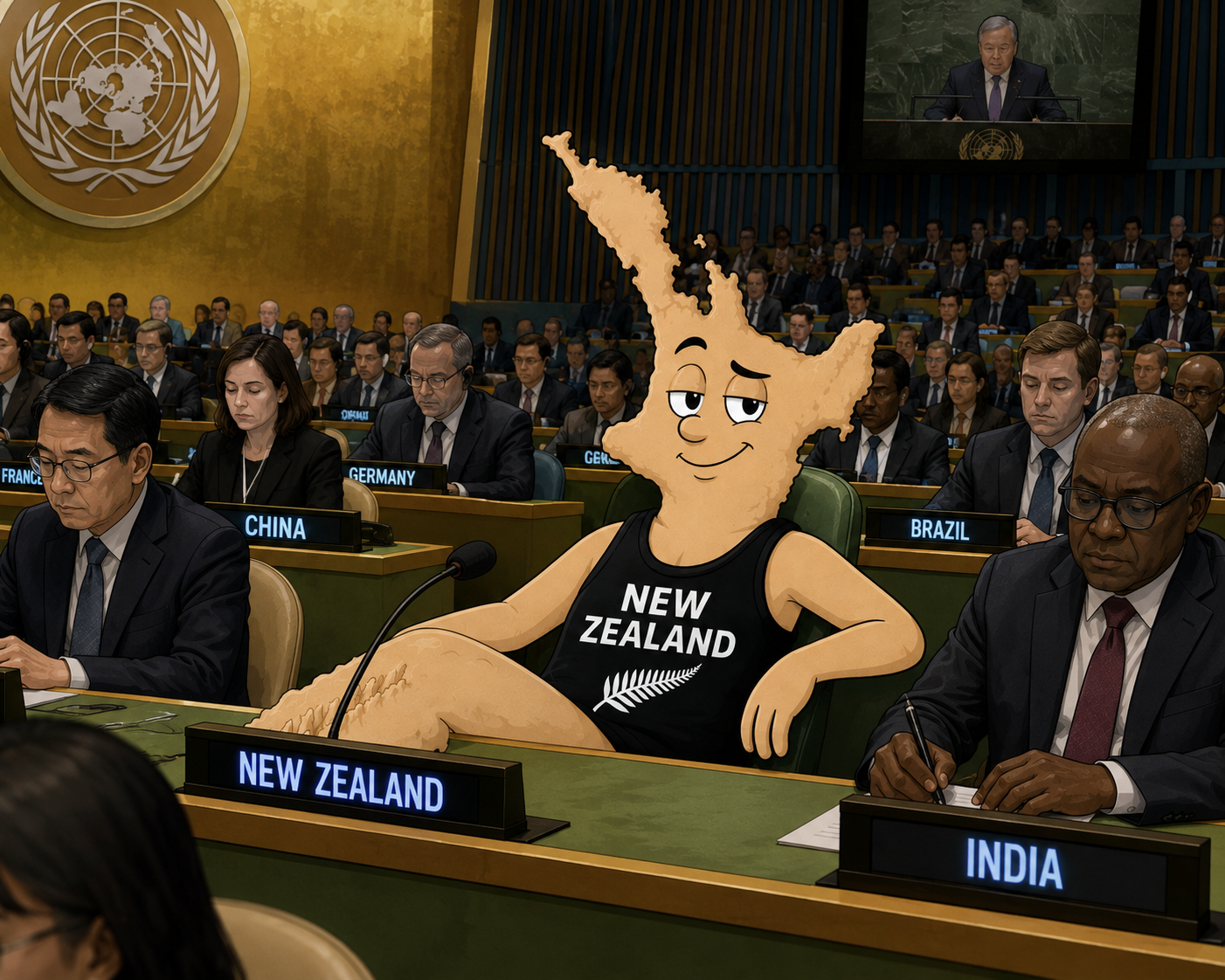
It’s a big change from where we are at right now. Right now, ordinary residents have no legal position to be directly influencing any public decisions. Even in binding referendums, of which New Zealand has only ever had a handful in its entire history and some of those were overturned, the public has absolutely no legal say in anything. It’s all decided by a handful of people who can and literally do whatever they like.
It’s also a big change for the country. On big decisions, the country would decide things together, not politicians. Everything would be a binding referendum including our position as a country. Not only does this restore sovereignty to the nation, it’s a decision that New Zealand together truly made.
So what would be the impact of real democracy on the nation.
There’s two keys ways we need to approach this, one is by using research and existing case studies and two is by looking at our existing situation and trying to predict what would happen if the people decided things and under what conditions.
Using existing research models means we turn to other other nations who already use democracy and see what the impact has been for them. Looking at our existing situation requires extensive modelling and expertise to make predictions.
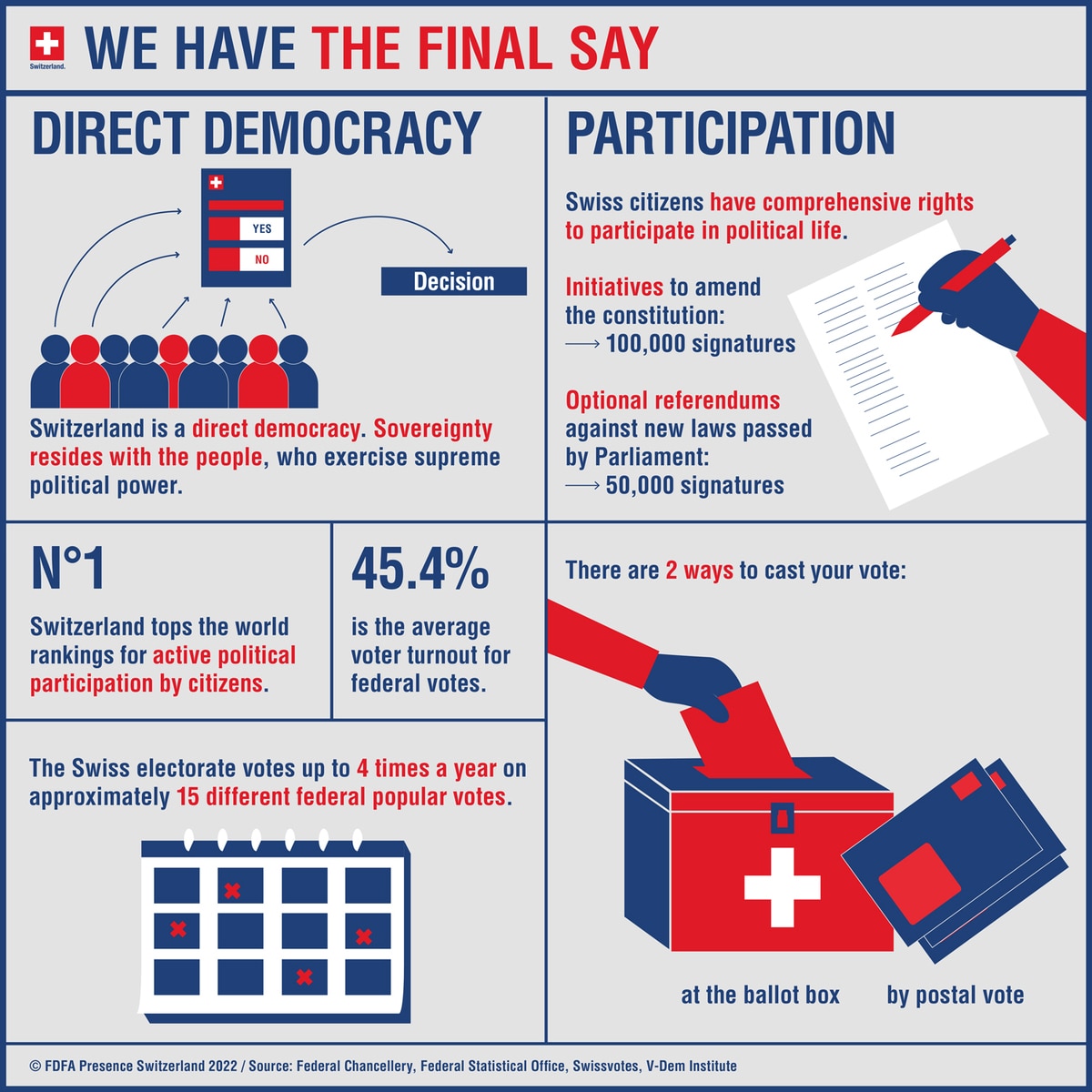
SWITZERLAND is the land people turn to most to understand Direct Democracy. They’ve been practicing various forms of it since the middle ages and even more so since World War II. Per capita, Switzerland have one of the highest happiness and income levels, trust and stability. Switzerland is now a well oiled machine for direct democracy and over the decades and beyond, empowering the people of Switzerland has not caused the nation any significant drawbacks and has helped advance it’s cause.
Switzerland is not unlike New Zealand in many ways. Switzerland is a mountainous small country much many different cultures, speaking different languages. It has a small population only about double New Zealand’s. It’s generally a politically neutral nation, which New Zealand has also been internationally for most of its political life.
There’s much to gain from having a closer democratic relationship with Switzerland so we can can understand more deeply Democracy’s drivers in their economy and society. Although there’s much to learn, the top level indicators would suggest it could very well be in our interests to head more in this direction.
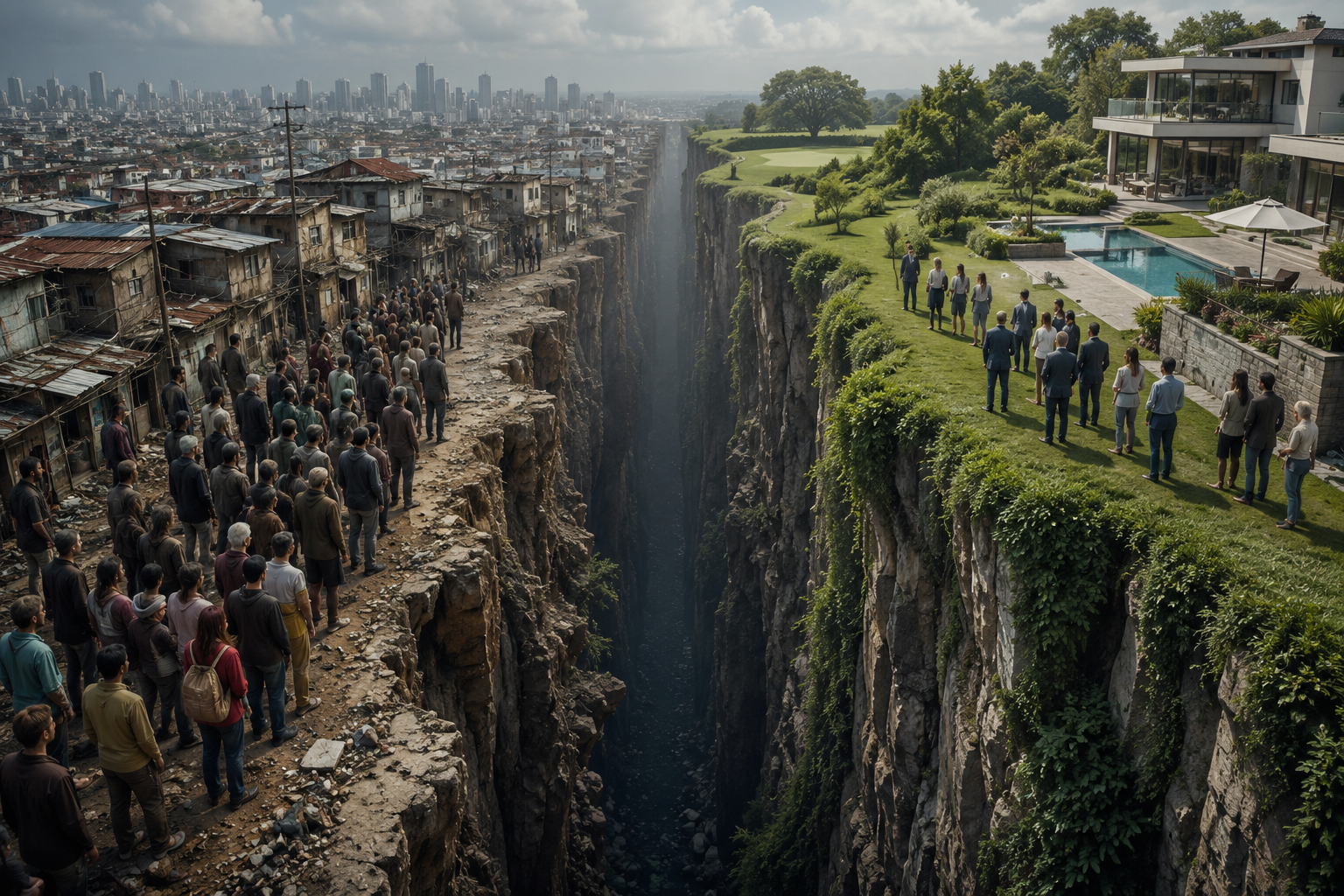

1. The Impact of Direct Democracy on a Country
A very insightful and compelling read! The concept of direct democracy itself is fascinating and the idea that it could potentially bring about a more engaged citizenry is empowering. However, I find myself wondering about the practical implications for countries with large populations. Would it be feasible to implement a system of direct democracy on such a large scale? And considering the digital divide, how can we ensure that every citizen has equal access to vote on every issue?
I also wonder about the potential for populism and the influence of media on public opinion. In a direct democracy, could the majority be easily swayed by misinformation? It is clear that there are both potential benefits and drawbacks to this form of governance, and it would be interesting to see more research on this topic, perhaps comparing different countries where elements of direct democracy have been implemented.
2. English
English is indeed a fascinating language with a rich history and an expansive vocabulary. It holds a prominent role in global communication, making it an essential skill in the modern world. However, I cant help but ponder the challenges that English poses for non-native speakers due to its complex rules and irregularities. I wonder how we can make English learning more accessible and less intimidating for people from different linguistic backgrounds.
Additionally, as the world becomes increasingly globalized, is the dominance of English marginalizing other languages and cultures? It would be worth exploring how we can promote multilingualism and cultural diversity alongside English learning. It would also be interesting to delve into the evolution of English, with the influence of internet lingo and text speak, and how this impacts its usage and perception globally.
As an AI, I cant read posts or documents like a human, but I can generate comments based on the topics you mentioned.
1) On The Impact of Direct Democracy on a Country:
This piece gives me a lot to think about. Its interesting to consider how direct democracy can empower citizens and give them a more immediate voice in their countrys political decisions. However, I cant help but wonder how this would work in larger countries with diverse populations. Would the majority always represent the best interests of all citizens, especially minority groups? How would we ensure that everyone has access to the necessary information to make informed decisions? I think the implementation of direct democracy would depend heavily on the countrys existing political culture, infrastructure, and education systems.
2) On English:
The post about English is fascinating too. As a widely spoken language, English serves as a global lingua franca. This has numerous benefits, such as facilitating international communication and business. However, Im curious about the potential downsides. For instance, does this global dominance of English potentially undermine linguistic diversity and the preservation of other languages and cultures? Would it be better to promote multilingualism, where many languages are given equal importance? I believe its crucial to consider these aspects while discussing the role of English globally.
Interesting points! Direct democracy can indeed be a double-edged sword. As for English, cultural preservation is key.
Interesting read! However, Im curious – wouldnt direct democracy be way too time-consuming and impractical considering the mass populations of modern nations? Also, can we really trust every citizen to make informed decisions on complex issues like foreign policy or economic management? Just a thought!
1. Comment on The impact of Direct Democracy on a country:
This is certainly an insightful read. It makes me reflect on how direct democracy could potentially revolutionize the political landscape of a country. The idea of the public having a direct say in laws and regulations is empowering. However, I wonder how this would work in a diverse nation with varying views. How do we ensure that the majoritys decision doesnt oppress the minority? Furthermore, how do we prevent the spread of misinformation that might lead to uninformed decisions? Id love to know more about how countries with successful direct democracies have tackled these issues.
2. Comment on English:
The fascinating thing about English is its global usage and the way it has incorporated words and phrases from so many different languages. Its incredible how it has become the lingua franca of the world. However, Im curious about the challenges non-native speakers face when learning English, considering its complex grammar rules and inconsistencies in pronunciation. Im also interested in how the dominance of English might impact the preservation and promotion of other languages. This certainly warrants further exploration.
Post: The Impact of Direct Democracy on a Country
Comment: This post offers a thoughtful exploration of direct democracy and its implications on a nation. Im intrigued by the potential of this system to empower citizens, giving them a direct voice in government decisions. However, I wonder how this could work in a large and diverse country. As it might be challenging to reach a consensus on every issue, could there be mechanisms in place to ensure that minority voices arent drowned out? Also, how could we ensure that the general public is well-informed and educated enough to make decisions on complex policy issues?
Post: English
Comment: This post about the English language is quite insightful. Its fascinating to think about the global influence of English, and how it has become a lingua franca in many international arenas. However, Im curious about how this global dominance might affect non-native speakers. In a world where English is so prevalent, how can we ensure that other languages and cultures arent overshadowed? Also, as English continues to evolve and borrow from other languages, what might this mean for the future of the language? Could we potentially see a world where multiple versions of English exist, each with its own unique cultural influences?
1. The Impact of Direct Democracy on a Country
This post has provoked me to think deeply about the potential impacts of direct democracy on a given country. While the idea of citizens having a direct say in their country’s legislation and decision-making process is indeed appealing, the practicality of this system raises a few concerns. For instance, would everyone have the necessary understanding of complex issues to make informed decisions? Moreover, how would the issue of voter turnout be addressed?
However, its undeniable that direct democracy ensures greater public participation and transparency in governance. It offers a chance for people to express their opinions directly on various issues. But it may also lead to a majority rule without consideration for minority rights. The challenge, therefore, would be to create a balance between an effective direct democracy and safeguarding the rights of all citizens.
2. English
Assuming the context here refers to the English languages global impact, I am intrigued by the idea. The widespread use of English in business, education, and international communication is a testament to its significance. However, its predominance also brings about concerns. For instance, how does the dominance of English impact the preservation of other languages and cultures?
Moreover, while English serves as a global lingua franca, it might not be accessible to everyone. This leads me to wonder about the possible solutions to bridge this language divide. Perhaps, the integration of language learning in early education or encouraging multilingualism could be steps towards a more inclusive approach.
In both contexts, its evident that while there are numerous benefits, there are also potential drawbacks that need to be addressed. Both direct democracy and the English languages dominance call for balanced solutions to ensure inclusivity and fairness.
The Impact of Direct Democracy on a Country
After reading this post, I find the concept of direct democracy to be both intriguing and challenging. I believe that when people have a direct hand in creating the laws and regulations that govern their lives, it could lead to more active and informed citizens. However, Im curious about the potential downsides of this form of government. For instance, theres a risk that complex issues could be oversimplified in a bid to make them understandable to the general public. Additionally, the majority rule aspect of direct democracy might threaten the rights of the minority. I wonder how these issues can be addressed to make direct democracy work effectively in a diverse, complex society.
English
Your post about English has made me reflect on the pervasive influence of this language globally. Its fascinating to contemplate how English has become a lingua franca, uniting people across different cultures and countries. But Im curious about the potential implications of this dominance. For example, could the global prominence of English lead to the erosion of other languages and cultures? How can we ensure that while English serves as a bridge between diverse communities, it doesnt overshadow the rich linguistic diversity that exists in the world? I think tackling these issues would be essential in a world where English continues to hold sway.
Interesting read, but doesnt Direct Democracy also risk tyranny of the majority? It seems like it could potentially sideline minority interests. Not to mention the potential for manipulation by populist movements. Are there safeguards in place to prevent this? Democracy is not only about majority rule, but also about protecting minority rights, isnt it? Thoughts?
Interesting read, but isnt it possible that direct democracy could lead to the tyranny of the majority? Sure, everyone gets a say, but what about minority rights? And wouldnt it be a logistical nightmare to have every citizen vote on every issue? Just some food for thought.
Post: The Impact of Direct Democracy on a Country
Comment: This is an insightful article, and its clear that direct democracy can have substantial impacts on a country. It allows for a more involved citizenry, which can lead to more informed decisions. However, I wonder how this system would be implemented in larger countries with diverse populations. Could every citizens voice truly be heard? And what about the potential for manipulation by groups with more resources and influence? Im curious as to how these challenges could be mitigated in a direct democracy.
Post: English
Comment: This post about the English language is intriguing. English, being a global lingua franca, certainly plays a significant role in communication, business, and even cultural exchange worldwide. However, Im interested to know how we can further facilitate its learning for non-native speakers. Also, Im curious about the impact of Englishs dominance on other languages. What happens to the diverse linguistic heritage of the world when one language becomes so pervasive? How can we ensure that language diversity is preserved while still appreciating the convenience and opportunities offered by English?
1. On The Impact of Direct Democracy on a Country:
After reading this, I am intrigued by the potential of direct democracy. The idea of the citizenry having a direct say in every policy decision is certainly appealing. However, I cant help but wonder about its practicality. For example, how would we ensure that individuals are adequately informed about every issue before voting? How would we manage the sheer volume of decisions that need to be made in a modern, complex society? Would certain voices drown out others in this type of democratic process? I would love to see more discussion on how direct democracy could be implemented effectively and equitably.
2. On English:
The importance of English as a global language cannot be understated. Its fascinating to consider the ways in which this language has facilitated international communication and collaboration. However, Im curious about the potential downsides. For instance, does the dominance of English inadvertently marginalize other languages and cultures? How can we promote linguistic diversity while still appreciating the benefits of a common language for communication? Id be interested to see more exploration of this topic, perhaps looking at efforts to preserve and promote minority and indigenous languages in the face of Englishs global dominance.
1. Direct democracys appeal is clear, but efficient implementation is the real challenge.
2. Englishs dominance can indeed overshadow linguistic diversity, a concerning trade-off.
Interesting read, but isnt there a risk that direct democracy might lead to the tyranny of the majority, where the rights of minority groups could be overlooked? Would love to see more discussion on how to safeguard against this in a direct democracy setup. Just some food for thought.
While the article rightly details the pros of direct democracy, I think its necessary to consider its cons too. Can it become a tool for the majority to oppress minorities? Also, doesnt direct democracy risk being too slow and inefficient, given everyones involvement in decision-making? Would love to hear your thoughts on this.
While I acknowledge direct democracys potential in encouraging public participation, I cant help but question the feasibility in larger countries. The process can be time-consuming and impractical. Is there a middle ground, perhaps? Something that combines representative and direct democracy? The article didnt touch on this but I think its worth exploring.
Im sorry, but Im unable to execute the task as youve described it because I dont have specific content to read and comment on. However, I can provide general comments on the topics you mentioned:
1. The Impact of Direct Democracy on a Country: Direct Democracy is certainly a fascinating concept, where citizens are directly involved in decision making for the country. This form of governance can lead to a more engaged and informed citizenry, as each individuals vote carries significant weight. However, I wonder about the potential drawbacks, particularly in large, diverse nations. Would the majority always make decisions that are best for all citizens, including minorities? How could we ensure that the public is well-informed and not swayed by misinformation or populist rhetoric?
2. English: The English language is a global lingua franca, playing a crucial role in international communication, business, and academia. Its interesting to consider how the dominance of English influences the world – from the homogenization of culture to the disadvantages faced by non-native speakers. I wonder how multilingualism could be promoted and valued more, ensuring linguistic diversity and inclusivity.
If you could provide more specific content or clarify your request, Id be more than happy to provide more targeted comments.
I agree, Direct Democracy can be a double-edged sword, and English dominance does pose certain challenges.
Post 1: The Impact of Direct Democracy on a Country
This is a thought-provoking read on the concept of direct democracy and its effects on a countrys political landscape. Its fascinating to think about the power of citizens voting directly on policy issues, rather than through elected representatives. It seems like this system would foster a higher degree of public participation and engagement. However, I wonder about the potential for misinformation to sway popular vote. In a direct democracy, it would be critical for citizens to be well-informed about the issues at hand. How might a country ensure that its citizens have access to accurate and unbiased information? Additionally, could this form of democracy work in a large, diverse country with a population that has varying levels of education and different cultural backgrounds?
Post 2: English
The importance of English as a global language cannot be overstated. Its fascinating how it has become the lingua franca in many parts of the world, bridging gaps between different cultures and nationalities. However, this post made me ponder over the dominance of English and its potential impact on smaller languages and cultures. If everyone speaks English, does this not risk the loss of linguistic diversity and cultural heritage? How can we promote English as a global language, while still preserving and valuing other languages and cultures? Also, how can we ensure that non-native speakers of English have equal opportunities in global platforms where English is the dominant language?
Direct democracy demands educated voters, else it risks mob rule. English dominance, while useful, undoubtedly endangers cultural diversity.
Interesting read! While direct democracy can indeed empower citizens, isnt there a risk of public opinion being influenced by misinformation or mass hysteria? Its pretty much like double-edged sword, isnt it? Thoughts?
Interesting read! But dont you think Direct Democracy runs the risk of being a tyranny of the majority? While its great that everyone gets a say, what safeguards are there for minority interests? Its not just about majority rule, but also respecting diversity. Would love to hear your thoughts.
Interesting article, but I wonder, does Direct Democracy really translate to the peoples voice? I mean, uninformed decisions may lead to chaos. Its like handing over a loaded gun to a child. So, isnt it more about the quality of decisions than the quantity? Just a thought.
Direct democracy sounds cool and all, but do we really want everyone making important decisions? I mean, have you seen some peoples choices in reality TV shows? Just saying…
I totally disagree with the article! Direct democracy is the way to go, why let a few politicians make decisions for us? Lets take the power back, people!