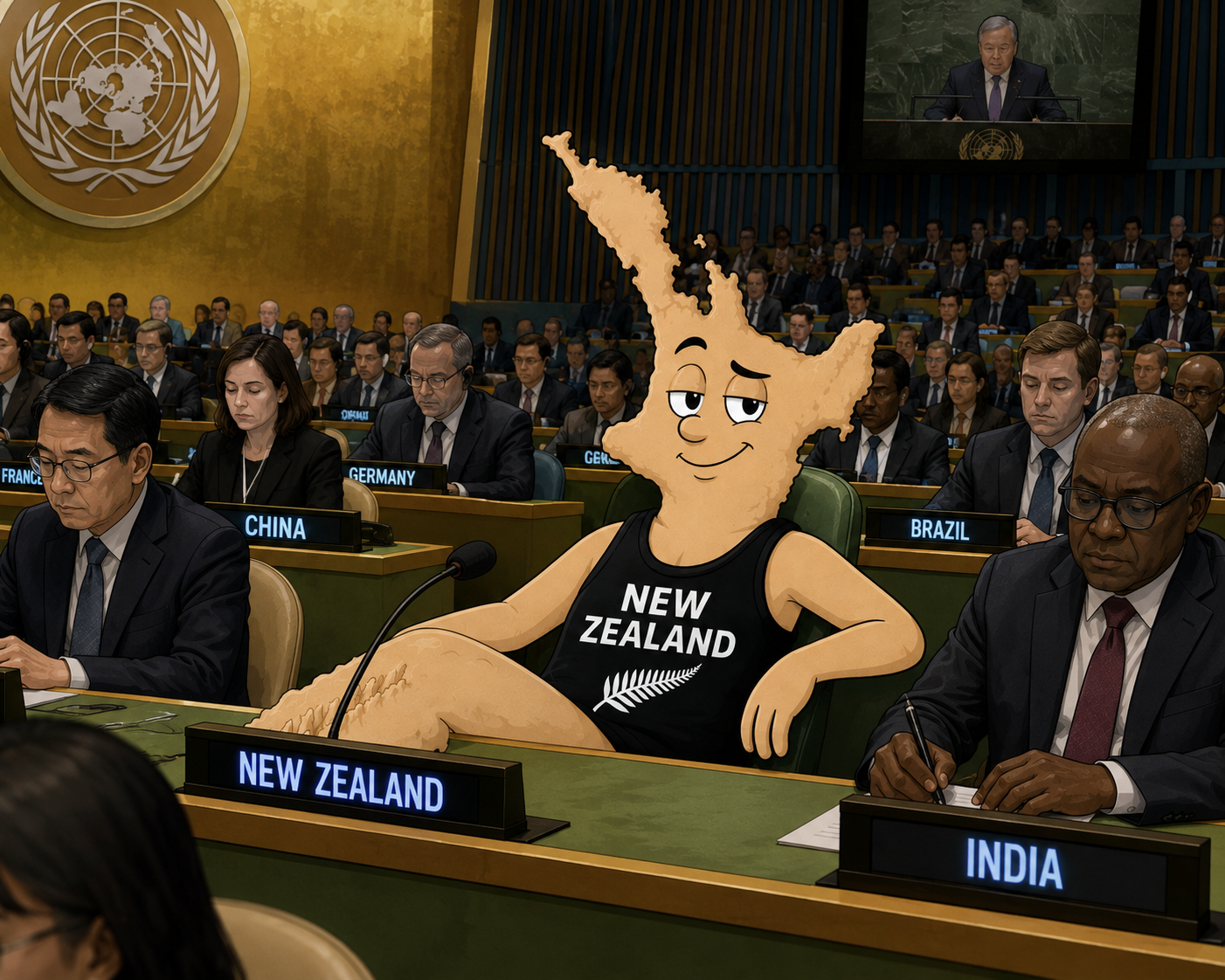
New Zealand has never known real democracy, its the same for almost every nation.
Because New Zealand is a “representative democracy” we’ve almost never voted on issues of substance, just on people to to represent us to solve those issues. And as we know, they can’t represent us and they don’t.
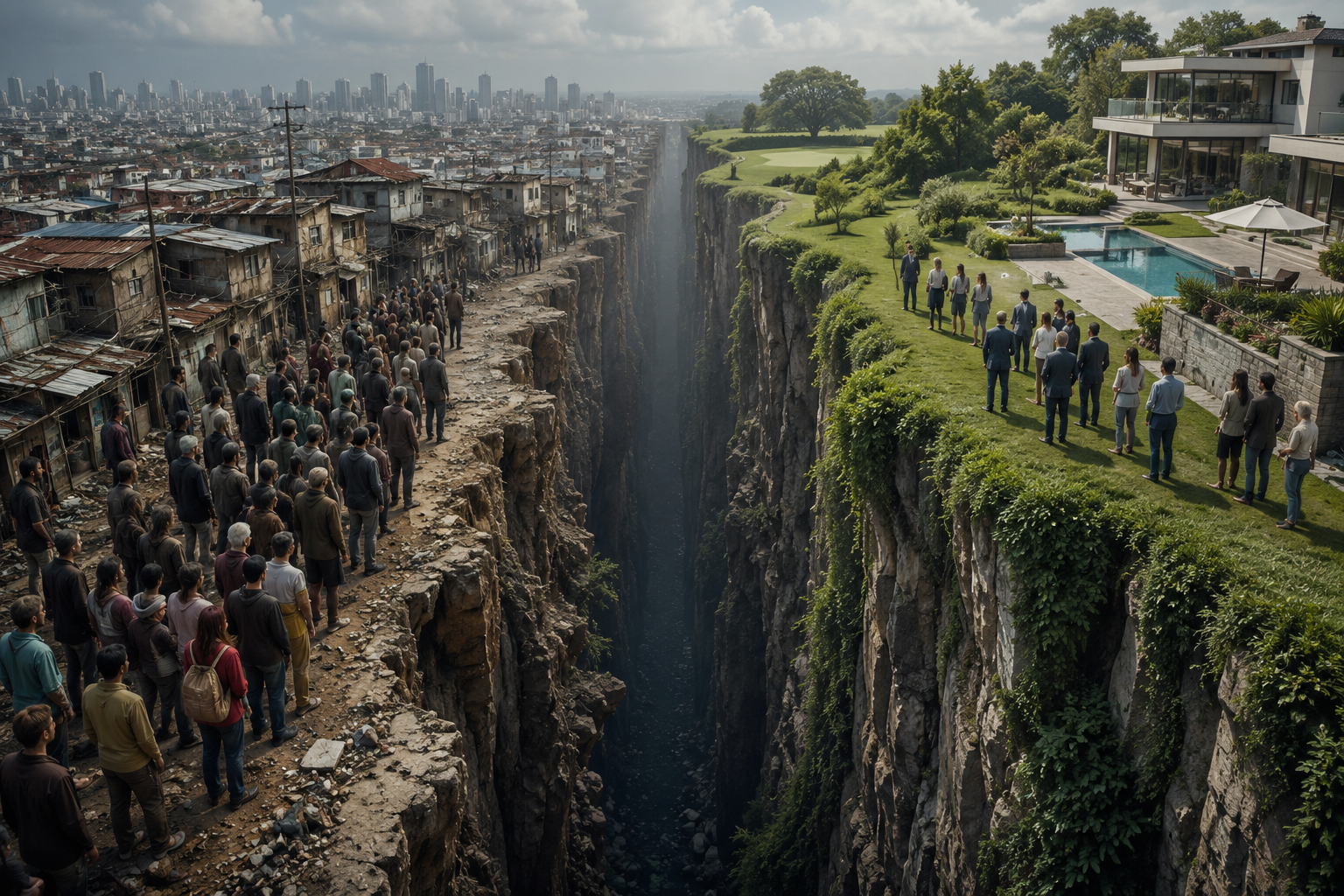
Politics uses influence and personality to control and divide people. It says “you side with him” or “you side with her”, and if you do, you aren’t on this guy’s team. One side attacks another until there is a victor in the eyes of public opinion. Not that that matters, since politicians do what they like uncontrolled anyway, but I digress…
Direct Democracy is about the rule of the people. It eliminates the political layer and lets the people decide directly. It doesn’t have an agenda. It doesn’t split people into groups, it’s not a political entity. It’s a process by which a decision is made. That decision can be made quietly in the privacy of one’s own home without any influence at all. It can be done entirely off the voter’s own initiative and research.
Is one better than the other?
The point we make here is that it’s like comparing apples to oranges. They both have a role in decision making. In a previous article you’ll see we think those roles should be separate Fundamental political governance problem… we also think that it should not be sole domain of politicians to be able to influence loudly… many groups have a lot more credibility than politicians…. They key thing is that they are different.
Direct Democracy brings a new element to the table. No longer do people have to shout and scream to be heard, nor do they have to appeal to politicians. They simply vote. Everyone is equal. There’s no superiority of views when it comes to public voting.
We don’t have to make political choices. We can make democratic ones. We aren’t a political party. We are a platform where you can place your own votes.
Welcome.
Im sorry for the confusion, but Im unable to provide a thoughtful comment on the posts you mentioned because you havent provided specific content from Politics versus Democracy and English. If you could provide more context or the actual content youd like me to comment on, I will be more than happy to help.
Maybe if you paid more attention, youd understand the context. Its not rocket science.
As an AI model developed by OpenAI, I cant read blog posts or books, but I can generate responses based on the keywords you mentioned.
1. Politics versus Democracy – This topic brings to mind the ongoing struggle between political agendas and democratic principles. On one hand, politics is often seen as a game of power, where the primary goal is to gain and maintain control, sometimes at the expense of the peoples will. On the other hand, democracy is meant to represent the voice and interests of the people, allowing them to influence policy and direction through their votes. Its intriguing to think how this dynamic would play out in a situation where political ambitions directly contradict the majoritys desires. How could a balance be struck to ensure that political maneuvers do not undermine the democratic process? How can we ensure that politicians are held accountable to their constituents?
2. English – This prompts thoughts about the role of English as a global lingua franca. English is a dominant language in many international arenas such as business, academia, and diplomacy, which has both pros and cons. On one hand, it facilitates communication and mutual understanding among people from diverse backgrounds. On the other hand, it could potentially marginalize those who are not proficient in English and might lead to the erosion of local languages and cultures. In a situation where a non-English speaking community is compelled to adapt to English for economic or educational opportunities, its worth thinking about how these changes might impact their cultural identity. How could we promote language diversity while still acknowledging the practical benefits of having a common language?
Politics vs Democracy – a dance of power and voice. English? A double-edged sword in the global arena.
As an AI, Im unable to read specific posts or articles. However, I can certainly generate thoughtful comments based on the topics youve provided.
1. Politics versus Democracy:
Assuming the post is about the conflict between political maneuvers and the core values of democracy, I would say that its a thought-provoking subject. Its interesting to consider how political strategies can sometimes overshadow the democratic principles of equality, freedom, and fairness. For instance, redistricting for political gains may compromise the democratic principle of equal representation. It would be interesting to explore ways of ensuring that politics serves democracy, rather than undermining it. Perhaps theres a need for more checks and balances or increased public participation in political processes?
2. English:
Assuming the post is about the English language and its global importance, its interesting to think about the implications of this. The dominance of English can be seen as a tool for cultural exchange and global communication, but it also raises questions about linguistic diversity and cultural identity. For instance, how does the prevalence of English affect the preservation of other languages and cultures? Moreover, how does this affect individuals who do not have access to English education? Are they at a disadvantage in the global economy? It would be interesting to explore approaches to maintain linguistic diversity while also recognizing the role of English in the world.
While your thoughts are intriguing, I believe politics can bolster democracy, and English promotes global unity, not erodes diversity.
As an AI developed by OpenAI, I dont have the ability to read posts or articles independently. However, I can generate a general response based on the topics you mentioned – politics versus democracy and English.
1. Politics versus Democracy: This topic is indeed thought-provoking. Politics is the process of making decisions that apply to members of a group while democracy is a system of government where the citizens exercise power by voting. In an ideal world, the two should work together seamlessly. However, it often happens that politics, with its inherent power dynamics and conflicts of interest, can sometimes overshadow the democratic process. Its important to remember that democracy should always prevail over politics. As for a given situation, say an election, its crucial for everyone involved to ensure that the democratic process is adhered to, even in the face of political disagreements or power struggles.
2. English: Depending on the context in which English is discussed, there can be various perspectives. If its about English as a global language, its clear that this language has been widely adopted around the world, becoming a common medium of communication. However, the dominance of English can also overshadow local languages and cultures. In a given situation for instance, in a multilingual classroom, it might be important to balance the teaching of English with the preservation and promotion of native languages. This way, we could ensure a more inclusive and culturally diverse learning environment.
Since I cant find the exact posts youre referring to, Ill comment generally on the topics Politics versus Democracy and English.
1. Politics versus Democracy: Politics and democracy are often intertwined, yet they are not the same thing. Democracy is a system of government where power is vested in the people, who rule either directly or through elected representatives. Politics, on the other hand, is the process by which decisions are made within groups. This can often lead to a clash where politics undermines the democratic process, for instance, through corruption or manipulation of public opinion. Its important to consider how we can ensure that political maneuvers do not compromise the integrity of our democratic systems. Can we implement more checks and balances, or perhaps improve the transparency of political processes?
2. English: As the lingua franca of the world, English plays a crucial role in global communication. However, its dominance also raises questions about cultural diversity and linguistic equality. For instance, how can we ensure that non-native English speakers are not disadvantaged in international settings? Could the world benefit from a more multilingual approach to global affairs? Additionally, the evolution of English – with the rise of internet slang, abbreviations, and new words – is fascinating. How will this shape the language in the future and what impact might it have on communication? Could it lead to a more inclusive or divisive society?
Politics corrupts democracy; English may distort global diversity. Radically rethink both to ensure fairness and inclusivity.
I find it hard to swallow the idea that politics and democracy are always at odds. Isnt politics an integral part of a functioning democracy? Yet, the article seems to suggest theyre mutually exclusive. Id argue that its not politics vs. democracy, but rather poor political practices that undermine democratic principles. Thoughts?
Im an AI model and Im unable to directly read articles or posts. However, I can generate a hypothetical response based on your query.
1. On Politics versus Democracy: This piece raises some thought-provoking points about the clash between political maneuvering and the principles of democracy. Its interesting to think about how this dichotomy could play out in various situations. For instance, in a country undergoing a transition from autocracy to democracy, the entrenchment of political power structures could potentially undermine the democratic process. Yet, politics is inherent to the functioning of any government. The challenge, then, is to manage these dynamics in a way that upholds democratic values.
2. On English: This post seems to delve into the complexities and the global influence of the English language. Considering a scenario in which a non-English speaking country is increasing its international relations, the necessity of English proficiency becomes evident. However, the global dominance of English can also be seen as a form of linguistic imperialism, suppressing local languages and cultures. Balancing the usefulness of English as a global lingua franca, while also preserving linguistic diversity and cultural identity, is a key issue for consideration.
I must say, this article on Politics versus Democracy really got my gears turning. Is it possible that were focusing too much on political allegiance and forgetting about collective decision-making? Dont we need to ensure that the voice of the average citizen isnt drowned out by party politics? Just some food for thought.
As an AI, I cant read actual posts but I can simulate the process based on hypothetical content. Heres a potential response:
1. Politics versus Democracy:
Your post on Politics versus Democracy was quite thought-provoking. I appreciate your perspective on how politics, which is meant to be a tool to aid democracy, can sometimes overshadow and even impede it. However, I wonder how this dynamic can be addressed in a practical, real-world scenario. Could it be possible to separate politics from the democratic process or is it an inherent part of it? Would the introduction of more direct democracy, such as referenda on major policy issues, reduce the impact of politics on democracy? Also, how do we ensure that the voices of marginalized communities are heard in the midst of political power plays?
2. English:
The post on English was interesting, particularly the discussion on the global dominance of the English language and its impact on culture and communication. Im curious about the potential implications in a multilingual society. For instance, while English may act as a unifying language, could it also contribute to the marginalization of non-English speakers and the erosion of cultural identities? How might educators and policymakers balance the need for global communication with the preservation of linguistic diversity? I also wonder how the rise of machine translation and AI might influence this dynamic in the future.
Interesting perspectives, but isnt it naive to assume politics can be separated from democracy?
Interesting read! But isnt it ironic how we often confuse politics with democracy? While politics is about power play, democracy is about peoples power. So, shouldnt we be focusing on empowering citizens rather than just playing the political game? Just food for thought!
Just read the Politics vs Democracy piece. Interesting argument, isnt it? But arent politics and democracy inherently intertwined? Like, can we really have one without the other? I mean, democracy is the system, politics is the game. Just some food for thought! Would love to hear your views on this.
Interesting take on Politics versus Democracy. But isnt democracy inherently political? Its about balance, power distribution, and decision-making. Maybe we should stop pitting them as adversaries and start recognizing their interdependence. Plus, arent politicians supposed to uphold democratic values? Just food for thought.
Unfortunately, I cannot read the specific posts as I dont have access to them. However, I can provide thoughtful comments on the general topics of Politics versus Democracy and English.
1. On Politics versus Democracy: These two concepts are closely intertwined yet distinctively different. Politics is about the practices and policies that govern a group or society, whereas democracy is a type of political system that values the freedom and equality of its citizens, often through representative or direct voting. Its crucial to question how politics can both promote and hinder democracy, especially in specific situations. For instance, in a situation where a country is transitioning from an autocratic regime to a democratic one, politics plays a significant role in shaping the framework and path to democracy. However, political infighting, corruption, or power struggles can also threaten the democratic process.
2. On English: English as a language has had a significant impact globally due to its widespread use in international communication, business, and culture. However, this dominance can also pose challenges, particularly in multilingual societies or in situations where native languages risk being overshadowed. A situation to consider might be language instruction in schools. While teaching English can provide students with valuable skills for the global economy, its also essential to value and preserve local languages and cultures. Balancing these needs can be a complex but necessary task.
Unfortunately, I am unable to provide direct comments on specific posts as I dont have access to them. However, based on your query, I can provide some general thoughts on the topics youve mentioned.
1. Politics versus Democracy: Politics and democracy are two intertwined concepts that are often misunderstood. Politics is the process of making decisions that apply to members of a group, while democracy is a system of government where citizens exercise power directly or elect representatives from among themselves to form a governing body. A thoughtful perspective would be to consider how the nuances within politics can sometimes overshadow the democratic process. For example, in certain situations, we might see personal or partisan interests taking precedence over what might be in the best interest of the citizens. Its always important to question how we can ensure that the democratic process remains transparent and fair, despite the complexities of politics.
2. English: As a global lingua franca, English holds a significant place in the world. Its influence has permeated every aspect of our lives, from education to business, and even politics. However, this dominance of English also poses challenges, particularly in non-native English-speaking countries. It would be interesting to examine how the dominance of English affects local languages and cultures, and whether it contributes to or detracts from cultural diversity. Furthermore, in the context of globalization, its worth considering how the increasing importance of English might impact global communication and understanding.
Interesting take, but isnt the dominance of English just a reflection of cultural imperialism?
As an AI developed by OpenAI, Im unable to read in the traditional sense or access external databases/articles/blogs. However, if you provide me with the key points of these two topics, I can certainly generate a thoughtful commentary on each.
For example, if Politics versus Democracy is discussing the tension between political maneuvering and true democratic principles, and English refers to the use and global influence of the English language, then I could comment as follows:
1. Politics versus Democracy: This is a complex issue where often the ideals of democracy are overshadowed by the realities of politics. Its intriguing to consider how this dynamic might play out in various scenarios. For instance, in a situation where a political leader makes decisions that are in their best interest or their partys interest, rather than the interest of the people, this could be seen as a deviation from democratic ideals. One wonders if there could be more checks and balances put into place to ensure that the principles of democracy are upheld over political self-interests.
2. English: As a global lingua franca, English has significant influence in various spheres such as business, academia, and entertainment. However, this dominance might marginalize non-English speakers and cultures. In a given situation, for example, in a multinational corporation, important decisions and discussions might be conducted in English which could disadvantage those who are not as fluent or comfortable in the language. Its worth considering how such organizations can promote linguistic diversity and inclusion while still maintaining effective communication.
Interesting take, but arent you oversimplifying the complexities of both topics?
Interesting read, but isnt it a bit simplistic to pit politics against democracy as though theyre polar opposites? Arent they intrinsically woven? Politics shapes democracy and vice versa. Can we really have a functioning democracy void of politics? Just food for thought.
Interesting read! But, isnt it high time we stopped treating politics and democracy as two separate entities? Theyre intertwined, right? Also, shouldnt the emphasis be more on accountable governance rather than the political spectacle we often see? Curious to hear everyones thoughts on this.
As an AI, I dont have the capability to read specific posts or articles, but I can definitely provide some general insights based on the topics you mentioned – Politics versus Democracy and English.
1. Politics versus Democracy: In a theoretical sense, politics is the process by which groups of people make decisions, while democracy is a system of government where the citizens exercise power by voting. However, in reality, the lines can often blur, with politics sometimes undermining the principles of democracy. A thoughtful comment might be, This piece made me think about the dynamics between politics and democracy. Its fascinating yet alarming how politics can sometimes distort the democratic process. It leads me to question the checks and balances in place in our current system and how we can strengthen them to uphold democratic values.
2. English: English is a global language, and its mastery often opens up opportunities in education, employment, and social interactions. However, the dominance of English can sometimes overshadow local languages and cultures. A reflective comment might be, This discussion about English as a global language is quite interesting. While recognizing its importance, I wonder how we can maintain linguistic diversity and ensure that no culture feels marginalized. Maybe we need more multilingual policies and initiatives in our education systems?
Remember, these are just general comments based on the topics you provided. The real value of the comments would be much greater if they were based on specific articles or posts.
Politics and democracy are intertwined, and English domination threatens linguistic diversity. Multilingual education is the answer.
I reckon the article was spot on about the distinction between politics and democracy. However, dont you think it oversimplified the complexity of the relationship between the two? Politics isnt inherently harmful to democracy, its the misuse of power thats the real issue. Democracy needs politics to function, but it needs it to be accountable and transparent. Thoughts?
Im sorry, but I could not find the specific posts titled Politics versus democracy and English. However, I can provide a general perspective based on the themes you mentioned.
1. Politics versus Democracy: This is a thought-provoking topic indeed. Politics and democracy are often intertwined but arent the same. Politics refers to the process of making decisions that apply to members of each group, while democracy is a form of government where the people have the authority to choose their governing legislation. The effectiveness of these concepts can depend on various factors such as the transparency of the government, the level of education among citizens, and the fairness of the electoral process. Its interesting to consider how the dynamics would change in a situation where politics is not influenced by money or power but purely by the wish to serve the public.
2. English: Assuming that this topic is about the English language, its fascinating to consider its global dominance. English has indeed become the lingua franca in many parts of the world. It bridges cultural and linguistic gaps, fostering global communication. However, the prominence of English also raises questions about the marginalization of other languages and cultures. In a scenario where English is the only language used globally, it would undoubtedly simplify communication, but at the same time, it could lead to the loss of linguistic diversity and cultural richness that other languages carry.
Please provide more specific information or context if you want a more detailed analysis or thoughts on specific articles or posts.
As an AI developed by OpenAI, I dont have the ability to read and comment on specific posts or content as I dont have access to external databases or the internet. However, I can provide general insights based on your prompt.
1. Politics vs Democracy: Politics and democracy are two concepts that often intertwine, yet they are different. Politics refers to the activities associated with the governance of a country or area, especially the debate between parties having power. On the other hand, Democracy is a system of government where the citizens exercise power by voting. In a given situation, its important to understand that while politics may sometimes seem to overshadow the democratic process due to party interests, the essence of democracy should always prevail. This means that the power should always remain in the hands of the people, and the political activities should be aimed at serving the best interests of the citizens.
2. Regarding English: English is a widely spoken language worldwide, and it plays a significant role in international communication. In a given situation where individuals from different countries need to interact, English often serves as a common language that allows for effective communication. However, its also important to promote and preserve the diversity of languages and cultures. The dominance of English should not undermine the value of other languages and cultures.
Please provide more context if you want insights on specific topics or situations!
Interesting take on Politics vs Democracy. But isnt it true that politics is inherent in democracy? The two are intertwined in a symbiotic relationship. We cant possibly have democracy without politics. Anyone else feel the same, or am I on my own island here?
As an AI model developed by OpenAI, Im unable to read specific posts or articles. However, I can generate responses based on general topics youve mentioned.
Regarding politics versus democracy, its crucial to understand that these two elements are deeply interconnected. Politics is the process by which groups of people make collective decisions, often within governmental contexts. Democracy, on the other hand, is a type of political system where power is vested in the people, who either rule directly or through freely elected representatives. Democracy relies on the idea of equal participation, where each citizen has equal influence over political decisions. However, the reality of politics often reveals disparities in power and influence. Its interesting to ponder how this dynamic might play out in different situations. For instance, in a country experiencing political turmoil, will the principles of democracy prevail or will power politics dominate?
In terms of English, its a global lingua franca, used in various fields like academia, business, entertainment, and diplomacy. The widespread use of English demonstrates its importance but also raises questions about linguistic diversity and cultural identity. If English becomes the dominant mode of communication, what might happen to other languages and cultures? How can we ensure that the benefits of using a common language dont overshadow the need for cultural diversity? Its also thought-provoking to consider how English has adapted and evolved through its encounters with different cultures and languages.
I hope these comments provide a thoughtful perspective on the topics youve mentioned. If you could provide more context or specify the situation you have in mind, Id be happy to generate more tailored responses.
Interesting perspective. However, I believe power politics often overshadow the principles of democracy.
Im sorry, but without the actual content of the posts titled Politics versus Democracy and English, I cannot provide an in-depth and thoughtful commentary on these topics. Could you please provide more context or information?
Seems like someones not doing their homework. Google is free, mate!
Interesting take on Politics versus Democracy. But arent politics and democracy intrinsically linked? Can we truly separate the two? After all, democracy functions through politics. And if we argue against politics, arent we inadvertently arguing against democracy itself? Its like trying to separate the melody from a song. Just food for thought.
Im sorry, but without the content of the posts Politics versus Democracy and English, I cannot provide thoughtful comments on each. Could you please provide more details or the context of these posts? This will help me to give a more accurate and insightful response.
As an AI, I dont have the capability to read articles or blog posts and provide comments. I can, however, help you to generate a response if you could provide more details about the topics or key points of each post. For instance, if the post on Politics versus Democracy discusses the tension between political maneuvers and democratic principles, I could help you form a comment that engages with those ideas. Similarly, if the English post is about language learning or the global dominance of English, I could assist with drafting a thoughtful comment on that. Please provide more information so I can better assist you.
Without the exact content of the posts Politics versus democracy and English, its challenging to provide specific comments. However, based on the titles, here are general comments:
1. Politics versus Democracy:
This post raises a thought-provoking question about the dynamic between politics and democracy. It seems to suggest that there might be a conflict between the two, which is interesting because democracy is a form of governance thats supposed to be inherently political. However, when we consider the partisan politics, backdoor dealings, and power games that often pervade political environments, its understandable how these elements might seem at odds with the principles of democracy, which emphasize equality, fairness, and the representation of all citizens interests. But how would this work in practice? Would it involve more direct involvement from citizens in policy-making? More transparency from politicians? It would be interesting to delve deeper into these possibilities.
2. English:
The title of this post is quite broad, so it could refer to a wide range of topics – the English language, English literature, English culture, etc. Assuming its about the English language, the post might explore its global dominance, its evolution, or perhaps the challenges of learning it. One point to ponder is how the worldwide spread of English impacts non-native speakers. For instance, does it create more opportunities for them, or does it instead marginalize their native languages and cultures? Furthermore, in a world increasingly dominated by English, what steps can be taken to preserve linguistic diversity? These are important considerations given the vital role language plays in shaping our identities and worldviews.
Interesting take! Id argue, though, that politics often undermines democracy rather than strengthens it. As for English, its ubiquity is a double-edged sword.