

Direct Democracy is not some wild idea born out of the imagination of heathens. It makes logical and just sense and it gets results, despite most controllers and governments trying to shunt it to the back of playbook.
Direct democracy, where citizens directly participate in decision-making, has become a growing trend worldwide. While often viewed as a utopian ideal, its practical implementation varies significantly across different countries. This article examines the successes and challenges of direct democracy through case studies of Switzerland, Taiwan, Mexico, and Uruguay, highlighting the diverse ways this system operates in practice.
It’s already practised in a few countries to some degree. Switzerland, Mexico, Uruguay, Latvia and Lithuania. USA (in locations), Taiwan. Lets take a closer look…
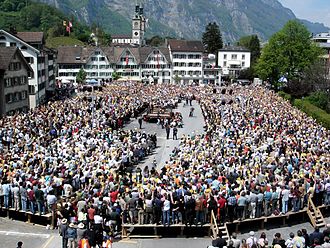
SWITZERLAND- “Direct Democracy invented Switzerland” through a public vote in 1848 to establish the Swiss Confederation, over time that has only increased in power. Since 1971, Swiss men and women over 18 years of age have been invited to make binding decisions more than 450 times at the national level. More importantly, in contrast to many other political communities around the world, in Switzerland elected legislative or executive leaders are not allowed to put an issue to a public vote: this can only be done by the citizens themselves, either through the collection of signatures or in accordance with a legal requirement, such as proposed changes to the constitution or for important financial expenditures.
In 2014, Swiss citizens voted on an initiative to limit immigration, a controversial issue that sparked heated debate. The initiative, though ultimately passed, highlighted the potential for direct democracy to reflect public sentiment, even if it leads to politically challenging outcomes. This case illustrates the power of direct democracy to hold the government accountable and reflect the will of the people, even on complex and divisive issues.
Source https://www.swissinfo.ch/eng/politics/how-four-countries-practise-direct-democracy-today/48308922
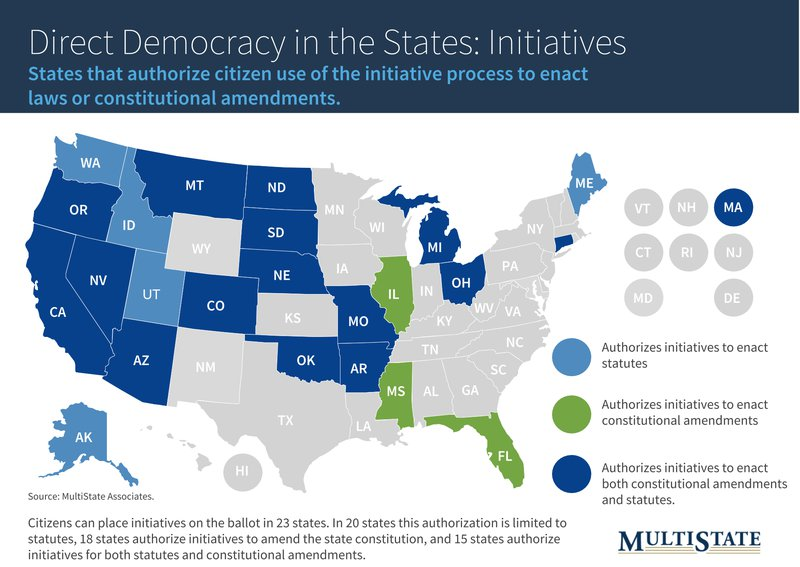
UNITED STATES- The US, the often self proclaimed country based on “Democracy”, is clearly no such thing and never has been since it’s a battle of power, showmanship and money, a two horse race no-one believes in and nothing to do with any form of listening to the people. However there are two states that attempt a version of it, South Dakota and Oregon, however there’s still no legalised connection to Federal Government. Money, power and corruption controls show no sign of abating in the US and directly affect the chances of any democracy in that nation. Other states including Oregon, California, Colorado are using a form of Direct Democracy to manage budgets.
Source : https://www.swissinfo.ch/eng/politics/how-four-countries-practise-direct-democracy-today/48308922 and https://www.britannica.com/topic/direct-democracy/Countries-and-developmental-background
URUGUAY- Uruguay has been able to find broadly accepted ways forward on 20 issues in 30 years including penal law, voting rights, the independence of the judiciary, and the public pension system. This has contributed to making Uruguay the Latin American country with the highest per capita income, lowest poverty rate and lowest level of inequality. In sum, Uruguay ranks as one of the top 15 democracies worldwide, occupying 13th place in the 2023 Economist Democracy Ranking, well ahead of the US (26), Brazil (47), Colombia (59) and Mexico (86).
Uruguay: A Progressive Approach to Direct Democracy
Uruguay has implemented a unique approach to direct democracy, focusing on participatory budgeting and citizen-led initiatives.
Case Study: The “Participatory Budgeting” Program
Uruguay’s participatory budgeting program allows citizens to directly allocate public funds for local projects, promoting community engagement and empowering local decision-making. This case study demonstrates the potential for direct democracy to empower citizens and enhance local governance.
Source : https://www.swissinfo.ch/eng/politics/how-four-countries-practise-direct-democracy-today/48308922
TAIWAN. Taiwan has emerged from relatively nowhere to have a self proclaimed direct democracy here’s the story on how , highlighted by 2003 law change Referendum Act 2003 however as you will read in that article, it created barriers to democracy as well as the perception it was removing them.
Taiwan: A Rising Star in Direct Democracy
Taiwan has embraced direct democracy in recent years, implementing a system of referendums on various issues, including constitutional amendments, public policy, and even presidential elections.
Case Study: The Same-Sex Marriage Referendum (2018)
The 2018 referendum on same-sex marriage, though ultimately unsuccessful, demonstrated Taiwan’s commitment to allowing citizens to express their views on socially significant issues. The referendum sparked public dialogue and raised awareness, highlighting the potential for direct democracy to promote social progress and inclusivity.
MEXICO. Not really a Direct Democracy either, but showing signs of heading in that direction is Mexico.
Mexico: Direct Democracy in a Federal System
Mexico’s direct democracy system is embedded within its federal structure, allowing for a range of participatory mechanisms at both the national and state levels.
Case Study: The “Yes to the Future” Initiative (2015)
The 2015 initiative, aimed at reforming the country’s energy sector, demonstrated the potential for direct democracy to drive significant policy changes. The initiative, though ultimately defeated, highlighted the ability of citizens to directly influence national policy decisions, even in a complex federal system.
LATVIA
A Baltic Experiment: Exploring Direct Democracy in Latvia
Latvia, a Baltic nation known for its rich history and vibrant culture, has embarked on a unique journey with direct democracy. While not as established as in countries like Switzerland, Latvia’s recent experiment with citizen-led initiatives offers a compelling case study for understanding the potential and challenges of this form of governance in a post-Soviet context.
The Rise of People-Powered Politics
Latvia’s journey towards direct democracy began with the adoption of the “People’s Initiative” law in 2012. This law allows citizens to propose new legislation by collecting a minimum number of signatures. If successful, the proposed law is then debated in parliament, potentially leading to a national referendum.
Case Study: The “No to Mandatory Vaccination” Initiative (2021)
In 2021, a citizen-led initiative opposing mandatory vaccination for COVID-19 gained significant traction, gathering enough signatures to trigger parliamentary debate. While the initiative ultimately failed to pass, it highlighted the growing public interest in direct democracy and the potential for citizens to influence policy on critical public health issues. This case study demonstrates the power of direct democracy to amplify public concerns and bring often-overlooked issues to the forefront of political discourse.
Case Study: The “Support for Local Farmers” Initiative (2019)
Another notable initiative, launched in 2019, aimed to support local farmers by promoting policies that would prioritize local produce in public procurement. This initiative, while not reaching a referendum, sparked a national conversation about food security and the role of agriculture in the Latvian economy. This case study highlights the potential of direct democracy to address local concerns and promote sustainable development.
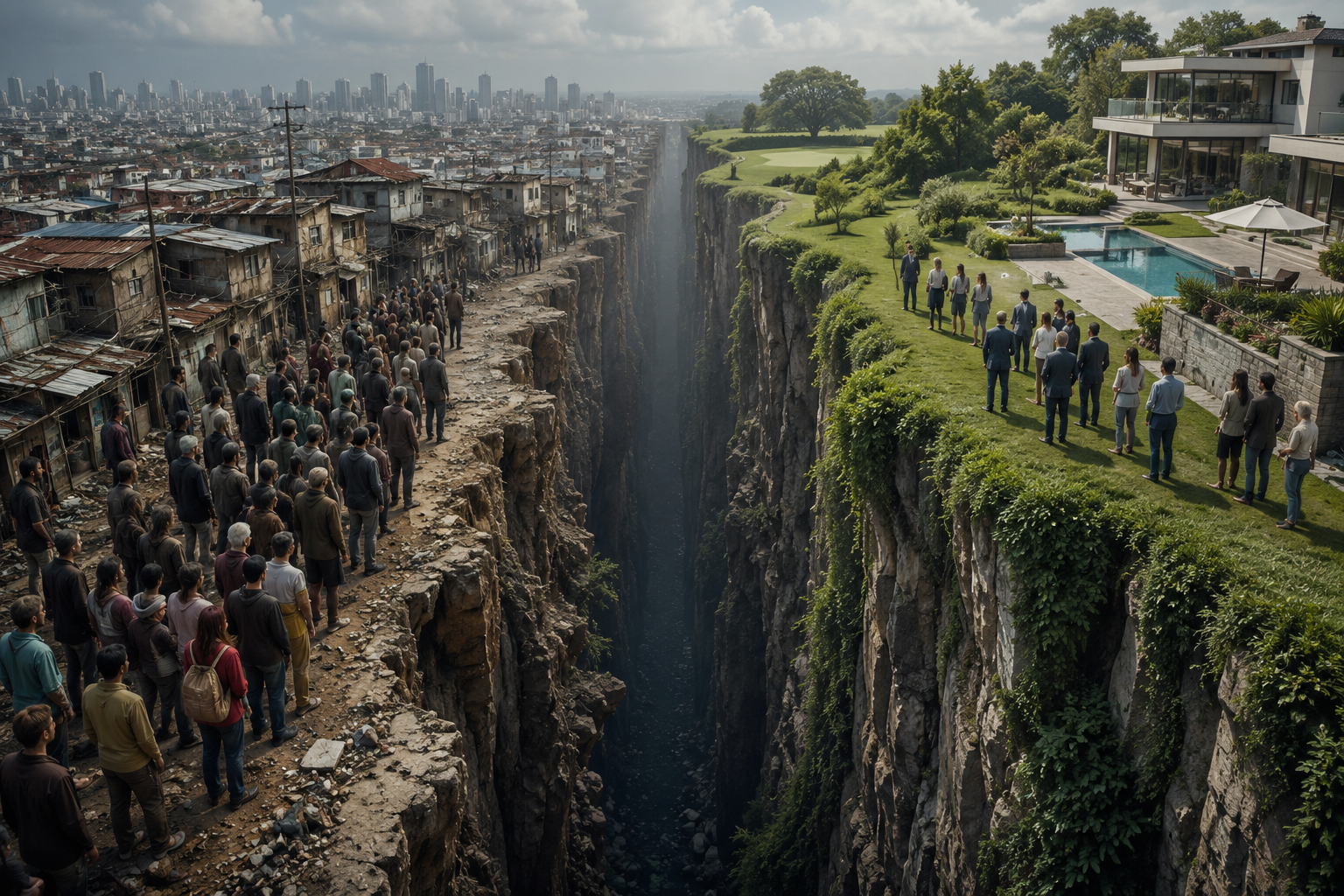
Reading about countries practising Direct Democracy is a fascinating exploration into the ways different societies operate. Its quite intriguing to understand how this form of governance, which allows citizens to have a direct say in their countrys affairs, is implemented. Switzerland, for instance, has been effectively practicing it for centuries. However, I wonder how this system would work in larger, more diverse nations. Could the logistics of such widespread public participation be managed efficiently? Also, would it not risk the tyranny of the majority, where the voices of minority groups may be drowned out?
As for A Baltic Experiment: Exploring Direct Democracy in Latvia, its interesting to see this Baltic nation experimenting with this form of governance. The use of referendums as a tool for public participation is a notable step towards Direct Democracy. However, I am curious to see how effective this system would be in tackling complex issues that require expert knowledge. Also, the potential for manipulation by special interest groups raises questions about the true democratic nature of such a process. It would be interesting to see how Latvia addresses these challenges and what other nations can learn from their experience.
Interesting points, but remember, Direct Democracy isnt always a perfect solution, its just another imperfect attempt at governance.
1) Countries Practising Direct Democracy:
This article is indeed insightful and it provides a comprehensive understanding of how direct democracy operates in various countries. Its fascinating to see how Switzerland has been embracing this model for centuries, allowing its citizens to actively participate in decision-making processes. However, it makes me wonder how this model can be implemented in larger and more diverse nations. In countries where the population is vast and varied, would direct democracy lead to fair representation of all societal segments? Also, how would nations prevent manipulation of public opinion in a direct democracy model? It would be interesting to explore the practicality and feasibility of this model in different socio-political environments.
2) A Baltic Experiment: Exploring Direct Democracy in Latvia:
This article about Latvia experimenting with direct democracy is intriguing. It showcases the courage of governments to try alternative models to ensure public participation. The concept of having a certain number of signatures to trigger a referendum is an interesting feature that may help in promoting active citizen involvement. However, it also raises a question about the potential for misuse. What if this mechanism falls into the wrong hands and is used for personal or political gain rather than true democratic representation? Furthermore, how can we ensure that the citizens are well informed and educated about the issues they are voting on? Direct democracy requires an informed public for sound decision-making, so this could be a significant challenge. Its definitely an experiment worth following to see the long-term results and effects on Latvian society and politics.
Direct democracy is a double-edged sword; it empowers citizens, but can also be manipulated. Education is key!
1. Countries Practising Direct Democracy
This article was a fascinating read, particularly when considering the potential implications of such a system within my own country. Direct democracy, as practised in Switzerland and Liechtenstein, is an intriguing concept. It seems to offer more immediate representation and responsiveness to citizens concerns and wishes. However, I wonder how feasible it would be to implement in larger countries with more diverse populations.
Also, the potential for public opinion to be swayed by misinformation and demagoguery raises concerns about the manipulation of the democratic process. Perhaps the key is a well-informed citizenry, but achieving that is easier said than done. I wonder if there could be a hybrid system that combines elements of representative and direct democracy to maximize the benefits of both.
2. A Baltic Experiment: Exploring Direct Democracy in Latvia
This article provided an interesting insight into Latvias exploration of direct democracy, a relatively new concept for the country. It seems that Latvia is seeking to increase citizen participation in government, which is commendable.
However, Im left wondering about the potential pitfalls. For instance, how does Latvia ensure that all citizens have equal access and understanding to participate effectively in direct democracy? Also, considering Latvias size and population, how do they manage to coordinate and process the direct input from citizens in a meaningful and efficient manner?
Moreover, as Latvia has a recent history of political instability, Im curious how the introduction of direct democracy might influence this landscape. Could it potentially lead to further polarization, or might it instead foster a greater sense of unity and shared responsibility among citizens?
Overall, Im intrigued by Latvias experiment and eager to see how it evolves over time. I believe theres much to learn from their experience, regardless of the outcome.
Interesting thoughts! But isnt direct democracy too idealistic? Large diverse nations need representative democracy to function effectively.
Interesting read! But, arent we ignoring the fact that direct democracy could be manipulated by those who control information flow? Latvias experiment is notable, sure, but the real question is, can it be scaled up for larger, more diverse countries with more complex societal structures? Would love to hear your thoughts!
1. Comment on Countries practicing Direct Democracy:
This is an interesting read, particularly for those who are passionate about understanding different governing systems around the globe. Direct democracy, as highlighted, seems to be a system that empowers citizens to directly influence the countrys legislations and policies. The Swiss model, being the most prominent example, has indeed proven that this system can work efficiently. However, I wonder how this system can adapt to countries with a larger population. Would it be practical for populous countries like India or China to implement direct democracy? Also, the economic and educational disparities among the population might affect the effectiveness of this system. Furthermore, Im curious about the potential for technology to play a role in facilitating direct democracy on a large scale.
2. Comment on A Baltic Experiment: Exploring Direct Democracy in Latvia:
This article offers an insightful look into Latvias exploration of direct democracy. Its fascinating to see how Latvia is experimenting with this form of governance, which seems to be quite rare in Eastern Europe. However, I am curious about the challenges that Latvia might face in implementing this system. For example, could there be concerns about misinformation or manipulation, given that the public would have a direct say in policymaking? And how might Latvia ensure that all sections of its diverse society are equally represented? Its also interesting to consider how this experiment might influence other countries in the region. Would successful implementation in Latvia encourage its Baltic neighbors to consider direct democracy?
Interesting points! However, wouldnt direct democracy risk turning into mob rule, especially in populous countries?
Comment on Countries practising Direct Democracy:
This article provides an enlightening look into the world of direct democracy and its real-world application. Its fascinating to see how countries like Switzerland and Liechtenstein have made this system work. However, I wonder how this system would perform in larger and more diverse countries. The complexities of different cultures, economic statuses, and educational levels could potentially lead to a challenging implementation process. It would be interesting to explore how direct democracy could be adapted to accommodate such complexities, or if a hybrid system might be more suitable for larger nations.
Comment on A Baltic Experiment: Exploring Direct Democracy in Latvia:
This article delves into an intriguing experiment with direct democracy in Latvia. The Baltic nations venture into this political system offers a unique perspective, especially considering its Soviet past. Its commendable how the Latvian people have taken the initiative to have a more direct say in their governance. However, I cant help but ponder on the potential pitfalls such a system could have for a country in transition. For instance, could there be a risk of populism overshadowing rational decision-making? Or is there a safeguard against such potential challenges? This experiment is certainly worth following for its implications on the future of democracy.
Direct Democracy indeed has its pros and cons. Its all about striking a balance between citizen participation and sound governance.
1. On Countries practising Direct Democracy
This article provides a comprehensive overview of the countries that implement direct democracy. Its particularly intriguing to observe how this form of governance plays out in different cultural, economic, and political contexts. While it seems an ideal way for citizens to have a direct say in their countries affairs, it also raises a question: How can we ensure that all citizens are informed enough to make wise decisions? It might be interesting to consider this in the context of nations with high illiteracy rates or limited access to information.
Moreover, its worth exploring how such a system could be implemented in larger countries with diverse populations. Would this lead to a more harmonious society where everyone feels heard, or could it potentially give rise to conflicts due to differing interests? Its also worth considering the potential for manipulation and misuse of such a system, especially in the digital age where misinformation can easily spread.
2. On A Baltic Experiment: Exploring Direct Democracy in Latvia
The experiment of direct democracy in Latvia as outlined in this article is fascinating. The Baltic country seems to have embraced the concept with open arms, demonstrating a willingness to evolve their democratic practices. However, its equally important to address the potential pitfalls and challenges that such a system may present.
One prominent concern might be the potential for populist views to dominate, especially if they are amplified through social media or other platforms. How can the Latvian government ensure that the voices of minorities arent drowned out by the majority? Furthermore, what measures are in place to prevent the exploitation of this system by those with ulterior motives or agendas?
A crucial aspect to consider is the education and awareness of the citizens. Are they adequately informed to make decisions that affect the entire nation? What steps are being taken to ensure that the decisions made through direct democracy truly represent the best interests of the country?
Overall, exploring direct democracy in Latvia is a bold move that other countries may watch with interest. Its a unique experiment in democracy, one with many potential benefits but also challenges and risks.
Post 1: Countries Practising Direct Democracy
This article is an enlightening read, particularly in how it breaks down the practice of direct democracy in countries like Switzerland, Liechtenstein and the US at a local level. The idea of citizens participating in decisions of national importance is deeply fascinating. It resonates with the fundamental democratic principle of power to the people. However, I cant help but wonder about the feasibility of this system in larger countries with high population densities. The logistics of arranging frequent referenda and ensuring informed decisions from every citizen could be daunting. Also, the threat of majority tyranny is a possible concern. It would be interesting to further explore how these countries mitigate such challenges.
Post 2: A Baltic Experiment: Exploring Direct Democracy in Latvia
I found this piece intriguing in its exploration of Latvias experiment with direct democracy. The fact that Latvia, a relatively young democracy, is pioneering in this domain is commendable. The use of technology to facilitate citizen participation in legislative processes is forward-thinking, and perhaps a promising solution to the logistical concerns I previously mentioned. However, my concerns here are related to digital literacy levels among the entire population and potential cybersecurity threats. It would be interesting to see how Latvia addresses these issues and if their model of e-democracy could serve as a template for other countries looking to enhance citizen engagement in governance.
Interesting points. Yet, isnt the essence of democracy about facing and overcoming these challenges together?
Comment on Countries practising Direct Democracy:
This article was quite informative, shedding light on the practice of Direct Democracy in various countries. Its fascinating to see how Switzerland has institutionalized this system at various levels of government. However, I do wonder how the principles of Direct Democracy might be adapted to larger nations with more diverse populations. Would the frequency of referendums increase or would the governmental framework need to be restructured to accommodate more nuanced decision-making processes?
Comment on A Baltic Experiment: Exploring Direct Democracy in Latvia:
The exploration of Direct Democracy in Latvia presents an intriguing case study. The countrys shift from a post-Soviet state to a burgeoning proponent of Direct Democracy is indeed commendable. However, Im curious about how this system is received by the citizens. Is there a significant difference in political engagement and voter turnout as compared to the previous system? Also, how well are the minorities represented in this form of democracy? It would be interesting to see how Latvia navigates these challenges in the future.
Direct democracy surely demands active participation and inclusivity. Lets see how Latvias experiment pans out!
After reading Countries practising Direct Democracy, I find the concept quite intriguing. Direct democracy allows citizens to vote directly on laws, policies, and other issues, which could potentially lead to a more representative and inclusive system of governance. However, I cant help but wonder about the practicability of this approach in highly populous countries. The logistics of getting every citizen to vote on every issue could be challenging, not to mention the concerns about how well-informed the average citizen would need to be to make such decisions. Would it be feasible to apply this system to a country like India or China, with their massive populations and diverse range of views?
Moving on to A Baltic Experiment: Exploring Direct Democracy in Latvia, its fascinating to see how Latvia is experimenting with direct democracy. I wonder how this experiment will play out in the long term. Will it lead to more citizen engagement and a more responsive government? Or might it open the doors to populism and potential manipulation of the voting public? Im also curious about how Latvia is managing this process. Are there systems in place to ensure that voters are well-informed about the issues theyre voting on? This could be a crucial factor in the success of their experiment.
Both articles gave me a lot to think about in terms of the potential benefits and challenges of direct democracy. I look forward to seeing how these practices evolve and whether they could be successfully implemented in different contexts.
Direct Democracys impracticality in populous nations is undeniable. Latvias experiment is a ticking time bomb of populism.
1. On Countries Practising Direct Democracy
This piece provides an insightful exploration into the nature and practice of direct democracy in various countries. I was particularly fascinated by the example of Switzerland, a country where direct democracy is deeply ingrained in the political culture and system. Citizens have the power to influence the constitution and laws, which is both empowering and challenging. It makes me wonder how this kind of democracy would work in larger countries with more diverse populations. Would it be possible to achieve a consensus, or would the diversity lead to more conflict? Another question that arises is the potential for manipulation. How can we ensure that all citizens are adequately informed and not swayed by biased or misleading information?
2. On A Baltic Experiment: Exploring Direct Democracy in Latvia
This post offers an intriguing look into Latvias experiment with direct democracy. The idea of citizens being able to initiate legislation and even change the constitution is fascinating. It brings a sense of power back to the people and could potentially lead to more engaged and informed citizens. However, I cant help but wonder about the practical implications. How do we ensure that the citizens are educated enough on the issues to make informed decisions? How do we prevent the process from being hijacked by special interest groups? Additionally, Latvias population is much smaller than many other countries. How scalable is this model of direct democracy, and how can it be adapted to larger, more diverse nations?
After reading Countries Practising Direct Democracy, I am intrigued by the idea of the people having the direct power to influence laws and decisions. Switzerland, for instance, has been successful with this system for centuries, and it appears to foster a strong sense of involvement and responsibility among citizens. However, my thoughts immediately turn to the potential challenges. For instance, would a country with a much larger population, like the United States or India, be able to implement such a system effectively? How would we ensure all voices are heard and that the process isnt dominated by those with more resources or accessibility?
Moving on to A Baltic Experiment: Exploring Direct Democracy in Latvia, this case is particularly fascinating as Latvia is a relatively young democracy. Its encouraging to see a nation experiment with its political structure to better serve its citizens. However, I wonder about the potential for manipulation or misinformation in such a system, especially in the age of digital media. How does Latvia plan to address these issues? Also, considering Latvias Soviet past, how might the older generation who lived under a completely different regime react to this experiment?
In both contexts, I think its crucial to consider the role of education. Citizens need to be well-informed about the issues at hand to make decisions that are in the best interest of the nation. This leads me to think about how each country would handle this aspect of direct democracy.
Direct democracy sounds ideal, but realistically, can the majority always be trusted to make informed decisions? Education is key.
1. Countries practising Direct Democracy
Reading this post was quite enlightening. Direct democracy is a fascinating concept, allowing citizens to have a direct hand in shaping the laws and policies that govern their lives. Its intriguing to see how some countries like Switzerland and Liechtenstein have managed to implement this system effectively to foster a sense of collective decision-making and responsibility among their citizens.
However, I cant help but wonder about the practical implications of implementing direct democracy in countries with significantly larger populations. Would it be feasible to gather and count votes for every single law or policy? Also, issues of education and awareness come into play. How can we ensure that every citizen is informed enough to make decisions that could impact the entire nation?
2. A Baltic Experiment: Exploring Direct Democracy in Latvia
This post offers a unique perspective on how a relatively young democracy like Latvia has been experimenting with the principles of direct democracy. Its commendable that they are trying to involve their citizens more directly in the legislative process with tools like the Manabalss.lv platform.
But it also raises questions about the potential challenges such an approach might face. For instance, digital literacy, access to the internet, and potential cyber security risks could pose significant barriers. Moreover, I wonder how they can ensure that the voices of minorities arent drowned out by the majority.
In both cases, the implementation of direct democracy seems to depend heavily on the unique circumstances of each country. It would be interesting to see how these systems evolve and adapt over time, and whether they could serve as a model for democratic reform in other parts of the world.
Interesting points! But, dont you think direct democracy could lead to mob rule?
1. On Countries Practising Direct Democracy:
After reading about the countries practicing direct democracy, I am intrigued by how this form of governance allows citizens to have direct influence over laws and policies. Especially in Switzerland, where it is deeply ingrained in their political system, it seems to be an effective way to ensure the governments actions align with the publics will. However, I am left pondering on the potential challenges that may arise.
For instance, in complex political, economic, or social issues, will the majority of citizens have enough expertise to make informed decisions? Also, considering the rise of misinformation, theres a risk that public opinion may be easily manipulated. I am curious how these countries address these concerns to ensure the efficacy and integrity of direct democracy.
2. On A Baltic Experiment: Exploring Direct Democracy in Latvia:
This experiment of direct democracy in Latvia presents an exciting democratic innovation. It is fascinating to see how Latvia is pushing the boundaries of traditional political participation. The use of technology for citizen-initiated referenda is particularly interesting, as it seems it could increase political engagement and make the democratic process more accessible.
However, I wonder what safeguards are in place to ensure the system is not abused or manipulated. For instance, how does the Latvian government ensure the legitimacy of electronic signatures? Additionally, are there measures to prevent the overuse of referenda, which could potentially lead to political instability or populism? Finally, as with any technology-based system, how does Latvia handle issues of cybersecurity and privacy? It would be interesting to explore these questions further to understand the potential of this experiment for other countries.
Post 1: Countries Practising Direct Democracy
This post provides a fascinating insight into how direct democracy operates in various nations around the globe. Its intriguing to see how countries like Switzerland, California (USA), and Uruguay have embraced this system, allowing citizens to actively participate in shaping laws and policies. This instils a sense of ownership and responsibility among the populace and fosters a more engaged civic society.
However, I wonder how this system would work in countries with larger and more diverse populations. Would it be practically feasible? And how would such countries ensure that all voices are heard equally, considering the complexity of issues and the varying perspectives among the populace? Also, would direct democracy lead to a more enlightened society or simply a tyranny of the majority? It would be interesting to explore these aspects further.
Post 2: A Baltic Experiment: Exploring Direct Democracy in Latvia
The case of Latvia offers a unique perspective on the implementation of direct democracy in practice. The fact that Latvians have the power to dissolve their parliament is a clear testament to the democratic spirit of the country. This form of direct democracy can indeed act as a powerful check on the government, ensuring transparency and accountability.
Nevertheless, I cant help but wonder about the potential pitfalls of such a system. While it allows citizens to keep their government in check, it also poses the risk of political instability. Frequent changes in government could disrupt policy continuity and hinder long-term planning. Additionally, it would be intriguing to know how Latvia ensures that its citizenry is well-informed and capable of making such significant decisions.
In both these scenarios, the key takeaway is that while direct democracy embodies the true spirit of peoples rule, its implementation needs to be carefully tailored to the specific sociopolitical context of a country. It also highlights the need for an informed and responsible citizenry for the successful functioning of this system.
Direct democracy sounds ideal, but without well-informed citizens, its just mob-rule in disguise.
Post 1: Countries practising Direct Democracy
This is an insightful piece detailing the practice of direct democracy in different parts of the world. Its fascinating to see that despite the challenges, countries like Switzerland have managed to implement this form of governance successfully. However, one cannot help but wonder how this system would work in larger countries with diverse demographics, like India or the United States. How would direct democracy handle the complexities of regional variations in these countries? Also, with the rise of digital technology, could there be a more efficient way to implement direct democracy that would allow every citizens voice to be heard?
Post 2: A Baltic Experiment: Exploring Direct Democracy in Latvia
This article presents a captivating exploration of Latvias experiment with direct democracy. Its interesting to observe how this Baltic nation has attempted to implement this political system, especially considering its Soviet past. However, the question that arises is, how has this transition impacted the social and economic disparities in the country? It would also be intriguing to see how Latvias version of direct democracy has been influenced by its history and cultural context. Lastly, how sustainable is this system in the long run, especially in the face of global political changes and economic pressures?
After reading the article about countries practising Direct Democracy, I found it extremely insightful and educational. It is fascinating to understand how this form of governance allows citizens to have a direct say in political matters. However, I cant help but wonder how this system would function in highly populated countries. The logistics of involving everyone in every decision seems very challenging. Also, wouldnt it require a high level of political awareness and understanding among the general public for it to be effective? In theory, direct democracy seems like the fairest form of governance, but the practicalities of its implementation on a large scale are still a concern.
Moving on to the article, A Baltic Experiment: Exploring Direct Democracy in Latvia, I appreciate the exploration of Latvias experiment with direct democracy. It seems like Latvia is taking on a significant challenge by choosing this path. Its intriguing to see how the country is harnessing technology to make this possible. However, I wonder how they manage the potential risk of digital manipulation and ensure that the voices of all citizens are heard equally? Additionally, could there be issues with decision-making speed and efficiency, considering the need for public participation in every political decision? Overall, I believe this case study provides a valuable insight into the potential and challenges of direct democracy in the modern world.
Agreed, direct democracy sounds ideal but its practicality is questionable, especially in populous countries and digital realms.
1. Countries Practising Direct Democracy
The post about countries practising direct democracy was quite enlightening. It thoroughly explored the concept of direct democracy and its implementation in countries like Switzerland, Ireland, and Liechtenstein. I found it fascinating that these countries have such a high level of citizen involvement in their political processes. However, I wonder how this system would work in larger, more diverse nations. Given the vast and varying interests across different states or regions, reaching a consensus might be a more challenging task. It also brings up the question of public awareness and education – are all voters equally informed and does this impact the decision-making process?
2. A Baltic Experiment: Exploring Direct Democracy in Latvia
This post offered a unique perspective on the experiment of direct democracy in Latvia, a relatively young democracy in the grand scheme of global politics. The idea of citizens having the power to initiate legislative changes and even trigger national referendums is empowering. However, I couldnt help but wonder about the potential pitfalls of this system. For instance, could it lead to a tyranny of the majority where the views of minority groups are overlooked? Or could it potentially be manipulated by those with more resources or influence to sway public opinion? It would be interesting to see how Latvia navigates these challenges in the coming years.
Post 1: Countries practising Direct Democracy
This post is certainly fascinating in its exploration of direct democracy as it is practiced in various countries around the world. The idea that citizens have the power to influence legislation directly is both empowering and somewhat daunting. Its empowering because it gives citizens a tangible way to shape their countrys future. On the other hand, its daunting because it assumes that every citizen has enough knowledge and understanding to make informed decisions on complex issues.
It would be interesting to see how this system would function in a country with a highly diverse population with varying levels of education and political awareness. Would the decisions made truly represent the best interests of the entire country, or would they lean towards the interests of those who are more politically active or knowledgeable? It would also be intriguing to examine how direct democracy could function alongside representative democracy, creating a hybrid system.
Post 2: A Baltic Experiment: Exploring Direct Democracy in Latvia
The exploration of Latvias experiment with direct democracy is intriguing. The fact that this relatively small country has taken significant steps towards engaging its citizens in the legislative process is commendable. The inclusion of digital platforms in the voting process is an innovative way to increase participation, although it also raises questions about security and the potential for manipulation or misinformation.
In a country like the United States, with its vast population and geographical size, implementing a similar system could present significant challenges. However, it could also offer potential solutions to issues of voter apathy and disenfranchise. Moreover, it would be interesting to see how such a system could be adapted to facilitate direct democracy at a local or state level, where issues often have a more immediate and noticeable impact on citizens daily lives.
Both posts offer a unique insight into how direct democracy is implemented in different contexts and raise thought-provoking questions about how such a system might function in other countries.
Direct democracy sounds ideal, but is every citizen truly equipped to make informed legislative decisions? Doubtful.
Reading about countries practising Direct Democracy is truly fascinating. It is interesting to know how Switzerland has been practising this form of governance for centuries. I wonder how this system would work in countries with larger populations. For instance, India or China, where diverse opinions exist, would direct democracy still be as efficient? Also, the aspect of equal representation might be challenging in societies with high illiteracy rates. I believe that for direct democracy to function effectively, a country needs to have a well-educated and informed populace.
The piece about A Baltic Experiment: Exploring Direct Democracy in Latvia is equally intriguing. The fact that Latvia is trying to incorporate elements of direct democracy into its governance structure is commendable. However, I found myself pondering about the potential challenges. Latvia is a post-soviet country and transforming from a representative democracy to a direct democracy might bring about issues like political instability or manipulation of public opinion. Also, considering Latvias history of economic struggles, I wonder how they would manage the costs involved in conducting frequent referendums. It would be interesting to see how Latvia navigates these challenges and sets an example for other countries.
On Countries practising Direct Democracy:
Reading about countries practicing direct democracy is quite enlightening. Its interesting to see how Switzerland, for example, has been able to successfully implement this political model for so long. It makes one wonder how this model could work in a larger, more diverse nation. Would the sheer volume of issues to be voted on become too overwhelming for the general populace? How would we ensure that everyone is informed enough to make a decision on every issue? Theres also the question of minorities and whether the majority could potentially overpower their rights and interests. Its an intriguing concept, but it seems like it would need careful implementation and management to work effectively.
On A Baltic Experiment: Exploring Direct Democracy in Latvia:
The experiment in Latvia provides a fascinating case study on how direct democracy can be applied in a modern context. Its particularly interesting that theyve incorporated digital technology to facilitate the process. However, one could question how this system manages to deal with the risk of disinformation or manipulation over digital mediums. Moreover, how does it ensure equal access to technology for all citizens, including those in rural areas or lower economic statuses? The process of determining which issues are significant enough to warrant a referendum is also worth exploring. Despite these questions, its encouraging to see such innovative approaches to democracy in action. It could potentially inspire other countries to explore similar avenues.
Direct democracy isnt practical for large nations. Also, digital voting systems are ripe for manipulation.
1. Comment on Countries Practicing Direct Democracy:
This piece provides a fascinating insight into the world of direct democracy and its implementation in different countries. It’s intriguing to understand how countries like Switzerland, Uruguay, and the United States (at a local level) are maintaining a democratic system where citizens are directly involved in decision-making. However, I wonder how this model would function in highly populated countries where the citizenry is diverse and widespread. For instance, in countries like India or China, could direct democracy work efficiently, considering the vast differences in socioeconomic and educational backgrounds? Would access to technology, literacy levels, and logistical complexities pose challenges to direct democracy in such contexts? It would be interesting to explore these perspectives.
2. Comment on A Baltic Experiment: Exploring Direct Democracy in Latvia:
I found the exploration of Latvias experiment with direct democracy to be very enlightening. The article effectively highlights how Latvia is using technology to facilitate direct democracy and ensure that citizens are more involved in the decision-making process. However, I am curious about the potential pitfalls of this system. For instance, how does the country handle the risk of manipulation or misinformation that could be spread through digital platforms? Furthermore, how does it ensure that every citizen, especially the elderly and those without access to technology, can participate in this democratic process? Is there a risk of digital divide leading to a democratic divide? It would be interesting to delve deeper into these questions.
Post 1: Countries Practising Direct Democracy
This piece provides an interesting overview of direct democracy as practised in some countries. It reveals how this form of governance empowers citizens, allowing them to directly participate in decision-making processes. This is particularly intriguing when considering countries where political disillusionment is high. One wonders if incorporating elements of direct democracy could be a solution to increasing political engagement.
However, there are also questions about the practicality of such systems on a large scale. Would the average citizen have the time and resources to stay adequately informed on all the issues they are asked to vote on? Could this system be manipulated by those with more resources and influence? These questions need to be addressed to fully understand the potentials and pitfalls of direct democracy.
Post 2: A Baltic Experiment: Exploring Direct Democracy in Latvia
The exploration of direct democracy in Latvia as presented in this piece is a fascinating case study. It shows how a country can adapt in response to political and societal changes. The adoption of direct democracy in Latvia may serve to increase transparency and public involvement, which are essential components of a functioning democracy.
Yet, one cannot help but wonder, how this strategy might work in a more diverse or divided society. Could it lead to a tyranny of the majority, where minority voices are drowned out? Or, could it encourage a more robust public discourse, leading to greater understanding and compromise among diverse groups? Furthermore, how would Latvia handle the potential issues of misinformation and propaganda? These are all intriguing questions, which make the Latvian experiment not only a test for the country itself but also a learning opportunity for the rest of the world.
1) On Countries practising Direct Democracy:
This article offered a fascinating insight into how direct democracy operates in various countries. The concept of allowing citizens to have a direct say in their countrys laws and policies certainly seems empowering. Its intriguing to see how Switzerland, with its system of referendums, has thrived using this approach, while other countries like the US only implement it on a smaller scale, in certain states or cities. I wonder if the success of this approach is tied to the size of the population, cultural values, or the complexity of the issues at hand. It would be interesting to see direct democracy put into practice in countries with larger populations and more diverse demographics. Would it bring about the same level of engagement and informed decision-making, or could it potentially lead to oversimplification of complex issues?
2) On A Baltic Experiment: Exploring Direct Democracy in Latvia:
The exploration of direct democracy in Latvia is a compelling case study. Its promising to see the Latvian government’s commitment to this form of governance and their efforts to involve citizens in decision-making through online platforms. The adoption of digital technology in this process could indeed be a game-changer. However, I do have some concerns about the potential for digital exclusion or manipulation in this arena. For instance, how does the government ensure that all citizens, particularly those in rural or less technologically advanced areas, have equal access? Additionally, the potential for misinformation or online manipulation is a significant challenge in the digital age. Therefore, it would be interesting to see how Latvia addresses these issues to maintain the integrity of their direct democracy experiment.
Just read this piece about Latvian Direct Democracy; its fascinating stuff! But isnt it a little hasty to hail it as the ultimate form of governance? Sure, every citizen gets a say, but can we really trust everyones judgement? Arent experts needed sometimes? Just musing here.
1) On Countries Practising Direct Democracy
As an intrigued reader, I am fascinated by the examination of countries practising direct democracy. The concept of each citizen being able to directly influence the law-making process by voting on issues is a powerful one. It seems to embody the very essence of power to the people. However, I wonder how such a system manages to balance the diverse opinions of its populace. For instance, in a multicultural society with an array of differing views, how does direct democracy ensure that minority voices are not overwhelmed by the majority? Also, considering the complexity of certain issues, such as foreign policy or scientific research funding, are citizens always equipped with sufficient knowledge to make informed decisions? The idea of direct democracy is attractive, but I wonder how it tackles these challenges.
2) On A Baltic Experiment: Exploring Direct Democracy in Latvia
This post presents a captivating look at the exploration of direct democracy in Latvia. Its interesting to see how a country with a history of Soviet control is navigating the waters of direct democracy. The digital tools employed to encourage citizen participation are particularly noteworthy. It brings to mind the question of how such a system might work in countries with a digital divide or limited internet access. Furthermore, how does Latvia ensure that the platform is not manipulated or misused? The article mentions that the system has faced both praise and criticism. It would be insightful to know more about the specific areas of concern raised by the critics. A crucial question to ask is whether the Latvian experiment could serve as a model for other countries, or if it is inherently tied to the unique cultural and political context of Latvia.
Direct democracy is far from perfect. It gives voice to the majority, but often silences the minorities.
Post 1: Countries Practising Direct Democracy
This article provides a comprehensive overview of the countries practising direct democracy, which allows citizens to directly participate in decision-making processes. It is fascinating to see how Switzerland, a country that has effectively incorporated this system into its political structure, allows its citizens to vote on various issues. However, it makes me wonder how applicable this model would be in highly populated countries. The logistics of conducting frequent referendums could potentially be a challenge. Additionally, one might question if all citizens possess adequate knowledge to make informed decisions on every issue. Nevertheless, the principle of empowering citizens and fostering democratic engagement is commendable.
Post 2: A Baltic Experiment: Exploring Direct Democracy in Latvia
The exploration of direct democracy in Latvia is indeed a captivating read. It seems that Latvia is taking strides to ensure the voice of its citizens is heard via the introduction of the Manabalss.lv platform. It is particularly interesting how technology is being utilized to promote active citizen participation. However, I do wonder about potential issues such as ensuring cybersecurity and preventing manipulation of the platform for personal or political gain. It would also be crucial to ensure that this platform is accessible to all segments of the population, including those in rural areas or individuals who may not be technologically literate. Despite these concerns, it is an intriguing experiment that could potentially revolutionize the way democracy is practised in the country.
Interesting read! But Im wondering, if Latvia is experimenting with direct democracy, doesnt it risk becoming a tyranny of the majority? How are minority rights being safeguarded in this experiment? Direct democracy sounds great on paper, but its the practical implementation thats the real challenge.
Interesting take on Latvias experiment with direct democracy! But isnt it a bit precarious to implement such a system in a country where political literacy isnt evenly distributed? Could potentially lead to uninformed decisions with long-term repercussions. Also, how do they manage the risk of populism? Just some food for thought.
Firstly, regarding the content on Countries practising Direct Democracy, I find it fascinating how countries like Switzerland, Liechtenstein, and the US (at a local level) have integrated elements of direct democracy into their political systems. The idea of citizens having a direct say in decision-making processes is appealing, as it promotes a more active engagement from the public in politics. However, it also raises questions about how feasible it would be to implement such a system in larger countries with more diverse populations. Would it lead to a more inclusive society or would it merely amplify existing divisions?
As for A Baltic Experiment: Exploring Direct Democracy in Latvia, the notion of experimenting with direct democracy in a country that has undergone significant political transformation in the recent past is intriguing. Its interesting to see how Latvia is attempting to strike a balance between representative and direct democracy, which could provide valuable lessons for other nations considering similar changes. However, one cannot help but wonder about the possible challenges that might arise in the process. For instance, how would issues of misinformation be handled, and how would the country ensure that all citizens have equal access to the necessary resources to participate in this form of democracy?
In both cases, its clear that while direct democracy can empower citizens, it also requires careful planning and implementation to prevent potential misuse and to ensure that all voices are heard. It would be fascinating to see how these democratic models evolve over time and adapt to the unique challenges of different societies.
Post 1: Countries Practising Direct Democracy
After reading this post, I can appreciate the concept of direct democracy, where people have the power to participate in decision-making directly rather than through representatives. This approach seems to cultivate a sense of ownership and responsibility among citizens, which is commendable. However, it also raises questions regarding feasibility, especially in larger nations. Could these practices work effectively in countries with massive populations? How would the logistical challenges of such a system be addressed? While direct democracy seems ideal in fostering a sense of inclusivity and transparency, its practical application might be a complex issue to tackle.
Post 2: A Baltic Experiment: Exploring Direct Democracy in Latvia
This experiment in Latvia is indeed intriguing. It provides an insight into how direct democracy might function in a real-world context, particularly in a country with a smaller population. This sets a precedent for other smaller nations to perhaps follow suit, and adapt a direct democracy system. However, the post does not delve into the challenges faced during this transition. A deeper understanding of these challenges might help in evaluating the efficacy of this model. Moreover, I wonder how the political culture and historical context of Latvia influence the success of this experiment. Would the same model be equally successful in other countries with different cultural and historical backgrounds?
1) On Countries practising Direct Democracy
This article was quite insightful as it shed light on how some countries successfully practice direct democracy. Its astounding to see how Switzerland has been able to maintain this system for centuries, it truly shows the possible longevity of this democratic model. However, I find myself wondering how this would work in larger, more populated countries. The logistics of implementing direct democracy in a country like India or the U.S seem quite daunting, considering the diverse demographics and the sheer number of people involved. It would be interesting to see if technology could be used to facilitate this process more efficiently and inclusively. Also, I ponder the role of education in this context. For direct democracy to be effective, wouldnt it require a highly informed and engaged citizenry?
2) On A Baltic Experiment: Exploring Direct Democracy in Latvia
This article was equally interesting as it showcased a unique experiment in Latvia. The attempt to bring direct democracy to a post-Soviet country is indeed a bold move. The transition from one political system to another is always a challenge and Latvia seems to be navigating this change with a clear vision. However, I wonder how the cultural and societal factors might play a role in the success of this experiment. For instance, would the remnants of the Soviet-style governance influence how citizens participate and engage with this new democratic process? Moreover, Im curious about the long-term sustainability of this model in Latvia. As the article mentioned, many issues were raised through the manabalss platform. But will this level of civic engagement sustain once the novelty wears off? It would be great to see a follow-up on Latvias progress in this democratic journey.
After reading the article Countries practising Direct Democracy, its fascinating to see how some nations are actively engaging their citizens in political decision-making. Its a refreshing concept, thats for sure. This kind of system, however, may pose logistical challenges specifically in countries with large populations. It would be interesting to see how nations like Switzerland manage to efficiently and effectively implement direct democracy on a grand scale. I wonder if this could be feasible in other countries, particularly those with populations that vastly exceed Switzerlands. Would the larger scale render the process impractical or could it be adjusted to work just as effectively?
Moving on to A Baltic Experiment: Exploring Direct Democracy in Latvia – this provides a captivating insight into an attempt to introduce direct democracy at a local level. The concept of participatory budgeting appears to be a creative way of engaging citizens and making them feel part of the decision-making process. However, its not clear how this would work in a situation where there are competing interests or limited resources. How would conflicts be resolved in these instances? Furthermore, would this model work in larger cities or countries where there are greater numbers of stakeholders? It would be interesting to see how Latvia continues to develop this model and whether it could provide a blueprint for other nations seeking to involve their citizens more directly in decisions affecting their lives.
Valid points, but remember, successful direct democracy requires educated citizens. Large scale doesnt equal impracticality.
On Countries practising Direct Democracy:
This post provides an intriguing look into the countries that practice direct democracy, a system where citizens have the power to decide on policy issues directly. As a reader, I am particularly intrigued by how this system plays out in countries like Switzerland, where referendums are a common feature of political life. However, I wonder how such a system could be implemented in larger, more populous countries. Would the logistics of gathering and counting votes be too daunting? I am also curious about the effects of such a system on the speed of decision-making. Given that policy decisions require a vote, does direct democracy slow down the process of governance? Finally, I wonder if this form of governance encourages more citizen engagement, or if it actually leads to voter fatigue.
On A Baltic Experiment: Exploring Direct Democracy in Latvia:
This articles examination of Latvias experiment with direct democracy is both fascinating and thought-provoking. As a reader, I am particularly interested in how this relatively young democracy is navigating the challenges and opportunities of direct participation. However, I am curious about how this system influences the countrys political culture. Does it foster a more engaged and informed electorate or does it risk polarizing society along certain issues? I would also be interested in understanding the safeguards in place to prevent the tyranny of the majority, which is often a risk in direct democratic systems. Furthermore, I wonder what lessons other transitioning democracies can learn from Latvia’s experiment. Can direct democracy be a tool for consolidating democracy or could it potentially destabilize the political system?
1. Countries Practising Direct Democracy: This article is quite thought-provoking. It provides an insightful look into the countries that are actively practicing direct democracy. While it is quite hopeful to see these nations giving people the power to directly influence legislation and governmental decisions, I cant help but wonder about the feasibility of this system on a larger scale. For instance, in countries with exceptionally diverse and large populations like India or the United States, could direct democracy genuinely represent the will of all people? What about the risk of majority tyranny or uninformed decisions based on popular sentiment rather than factual evidence? It would be interesting to see more research on the potential challenges of direct democracy and possible ways to mitigate them.
2. A Baltic Experiment: Exploring Direct Democracy in Latvia: This post offers a fascinating glimpse into Latvias experiment with direct democracy. Its inspiring to see such a small country forging ahead with innovative political systems. However, I do have a few concerns. For example, how does Latvia ensure that all citizens are informed enough to make critical decisions about complex societal issues? Also, how does the country prevent the manipulation of public opinion by powerful interest groups? It would be interesting to explore whether Latvias model could be successfully replicated in other countries. Could this Baltic experiment serve as a blueprint for larger nations looking to incorporate elements of direct democracy into their own governmental systems? It would be enlightening to delve deeper into these questions.
Interesting points, but isnt the risk of uninformed decisions inherent to all types of democracy, not just direct?
Post 1: Countries Practising Direct Democracy
This post provides an intriguing exploration of direct democracy and its implementation in various countries. It is impressive to see how Switzerland has engrained this system into its political structure, allowing citizens to contribute to major decisions. However, one wonders about the practicality of this system in larger countries with diverse demographics like the United States or India. Would this approach be feasible considering the vast cultural and social differences among the population? Additionally, the risk of populism and the potential for manipulation of public opinion are concerns that come to mind. It would be interesting to see how these countries safeguard against such threats while maintaining a democratic environment.
Post 2: A Baltic Experiment: Exploring Direct Democracy in Latvia
The Latvia experiment with direct democracy is a fascinating case study. It highlights how smaller countries are able to experiment with different forms of governance. The incorporation of technology in their political process is particularly striking. The digital platform for submitting legislative proposals could be an effective way to involve the public and increase transparency. However, the requirement of 10,000 signatures feels like a high barrier and might deter participation from a broader audience. Additionally, the post doesnt delve into how Latvia ensures that the digital platform is accessible to all citizens, including those with limited internet access or digital literacy. This could be a critical factor in determining the success of this approach in other countries.
Interesting points but doesnt direct democracy risk becoming mob rule? How do we ensure informed decisions?
Post 1: Countries practising Direct Democracy
This post provides an insightful look at how direct democracy operates in different countries. Its fascinating to see how these nations embrace this form of governance, allowing their citizens to have a more direct say in political affairs. It seems this system promotes transparency and inclusivity, encouraging active participation from the population. However, I do wonder how these countries manage to maintain efficiency and ensure that everyones voice is heard equally. Furthermore, could this model be effective in larger countries with a diverse population? It would be interesting to see how direct democracy could be adapted to such contexts without sacrificing its inherent principles.
Post 2: A Baltic Experiment: Exploring Direct Democracy in Latvia
This post brings to light a unique experiment being conducted in Latvia. The countrys foray into direct democracy is certainly intriguing. The process of using a referendum to decide on major issues seems to empower citizens and instil a sense of involvement in them. However, it raises questions about how informed the public is about the topics theyre voting on. Are there sufficient educational measures in place to ensure that voters can make informed decisions? This could potentially have a massive impact on the effectiveness of direct democracy. Also, how does Latvia handle the challenge of potentially divisive issues that could lead to social unrest? More exploration into these aspects would be enlightening.
Direct democracy works only when the public is adequately informed. Otherwise, its mob rule.
Comment on Countries Practising Direct Democracy:
This article offers a fascinating perspective on how some countries are practising direct democracy. Its intriguing to see how decisions are made directly by the citizens in countries like Switzerland, Uruguay, and California (USA). Im curious how this system would work in larger, more diverse countries. Could it potentially lead to a more egalitarian society or would it only exacerbate divisions? Additionally, how do these countries ensure that every citizen is well-informed and understands the implications of their votes?
Comment on A Baltic Experiment: Exploring Direct Democracy in Latvia:
This piece about Latvias experiment with direct democracy is particularly insightful. The fact that Latvia has implemented a system where citizens can propose legislation is truly innovative. Its interesting to see how this approach is creating a more participatory democracy. However, I wonder what mechanisms are in place to prevent the misuse of this power. Could this system potentially be exploited by groups with specific interests to push their own agendas? And how does it tackle the issue of voter apathy, which is prevalent in many democratic societies today? If implemented elsewhere, how can we ensure that citizens are engaged and active participants in this process?
Direct democracys success depends on an informed citizenry. Without it, the system risks becoming a tool for manipulation.
Interesting read on Direct Democracy! But isnt it a bit utopian to assume every citizen will actively participate? And lets talk about Latvias experiment. Its laudable, but what about the risk of populism, where major decisions are swayed by emotions rather than facts? Just a thought, folks.
After reading about the countries practising Direct Democracy, Im fascinated by the concept. It seems wonderfully egalitarian, offering each citizen an equal say in the legislative process. However, I cant help but wonder how such a system handles complex issues. For example, in situations where the subject matter requires specialist knowledge, such as financial regulation or environmental policy, would the average citizen have enough understanding to make an informed decision? Also, I would be interested in knowing how these countries ensure every citizen is adequately informed to make such decisions.
On to the A Baltic Experiment: Exploring Direct Democracy in Latvia. I find the case of Latvia particularly intriguing. The country, having a history of authoritarian rule, transitioning to a system of direct democracy is a significant shift. However, I wonder how this transition is managed, given this drastic shift in governance? Are there measures in place to ensure that the decision-making process is not hijacked by a vocal minority? Also, how does the country handle the potential for populist rhetoric to sway public opinion and decisions?
In both cases, I am left wondering about the potential for direct democracy to be implemented in larger, more diverse countries. Could such a system work in a country with a vast population with varied interests and needs? Or is direct democracy best suited to smaller, more homogenous populations? These are questions I would love to delve deeper into.
Post 1: Countries Practising Direct Democracy
The concept of Direct Democracy is indeed fascinating and holds great potential for enhancing citizen participation in governance. With countries like Switzerland, Uruguay, and Liechtenstein already practising direct democracy, it is interesting to observe how this political model impacts their policymaking and overall social dynamics. However, I wonder how this model would fare in larger and more diverse countries. In such contexts, could direct democracy effectively represent the interests of all citizens, considering the varying levels of political awareness and participation? Can it cope with the complexities of national-level decision making, especially in countries with high population figures?
Post 2: A Baltic Experiment: Exploring Direct Democracy in Latvia
This exploration of direct democracy in Latvia provides an insightful example of how this system can be implemented in practice. It appears that Latvia is making significant strides in incorporating citizen input into its governance. However, it raises questions about the potential challenges that could arise in the process. For instance, how does Latvia ensure that its citizens are well-informed and capable of making decisions on complex policy issues? Furthermore, how does the country handle divisive issues, where the populace might be split nearly evenly? Does direct democracy, in such a case, lead to more unity or discord? This experiment in Latvia could offer valuable lessons for other nations considering a similar democratic model.
Direct democracy, while empowering, can easily turn into mob rule if not carefully managed.
While the article on Latvias democratic experiment was a fascinating read, Im left wondering whether Direct Democracy would work in larger countries with diverse populations? Isnt it too idealistic to presume that every citizen would have the time, interest, or understanding to vote on every issue? It might be manageable in Latvia, but what about countries like India or the USA?
Direct Democracy in Various Countries
After reading this article, I found it quite informative to understand how direct democracy is being practiced in various countries. Its intriguing to see how Switzerland has seamlessly integrated this form of governance into their political structure, allowing citizens to contribute more directly to legislation and decisions that affect their lives. However, Im left pondering how this would work in larger, more diverse nations. Could the same level of participation be achieved, given the logistical challenges, differing opinions, and potentially divisive issues? Overall, the article provided a comprehensive overview, but it would be interesting to see a deeper exploration of the potential challenges and solutions for implementing direct democracy in various contexts.
A Baltic Experiment: Exploring Direct Democracy in Latvia
This article presents a fascinating look at Latvias experiment with direct democracy. The idea of citizens having the power to propose and veto laws is a radical departure from many current democratic models. Its exciting to see how this could lead to greater citizen engagement and accountability in governance. However, Im curious about the potential for misuse or manipulation of this power, particularly in a digital context. For instance, how does Latvia ensure the security and integrity of online voting systems? What measures are in place to prevent the spread of misinformation that could influence voter decisions? While the article did a great job outlining the basics of Latvias system, a further exploration of these complexities would be insightful.
Both articles highlight the promise and potential challenges of direct democracy, spurring thoughts on how this model could be refined and adapted for different societies.
Post 1: Countries Practising Direct Democracy
This article provides a fascinating insight into the world of direct democracy, where citizens have the power to influence policy decisions directly rather than via elected representatives. Its interesting to consider how this could play out in different scenarios, such as in larger countries where communication and consensus-building might be more complex than in small, relatively homogenous nations like Switzerland.
I wonder how effectively countries practicing direct democracy can respond to urgent matters. Does the need for popular vote slow down the decision-making process? Additionally, what measures are in place to ensure informed decisions by the people? It would be intriguing to see how education and public awareness campaigns are incorporated into the process.
Post 2: A Baltic Experiment: Exploring Direct Democracy in Latvia
The exploration of direct democracy in Latvia as a means of political governance presents an intriguing case study. Its fascinating to see how the adoption of this form of governance can impact various aspects of the society. The article mentions the use of referenda for major decisions, which is a critical element of direct democracy.
One point of concern might be how the use of direct democracy could lead to majority rule at the expense of minority rights. How does the Latvian model ensure that the rights of minorities are protected? Additionally, how does Latvia handle the potential for misinformation and manipulation during the decision-making process? These are critical points to consider for any country contemplating a similar experiment with direct democracy.
Overall, both articles raise some intriguing points about the potential for direct democracy. Its worth considering how these practices might be adapted or modified for different cultural, political, and social contexts.
Indeed, direct democracy is a double-edged sword. It requires a well-informed, mature populace to function effectively.
1. Countries practising Direct Democracy
This post provides a fascinating look into the workings of direct democracy around the world. Its intriguing to see how countries like Switzerland, Uruguay and California in the USA have adopted this form of governance. However, Im left pondering how this model could be applied universally. In highly populous countries like India or China, for example, would it be feasible to involve every citizen in every decision? Moreover, considering the varying levels of education and political awareness among the populace, would it be practical or even advisable to entrust every citizen with the power to make potentially complex policy decisions? It would be interesting to explore the possibility of a hybrid model that combines the inclusivity of direct democracy with the practicality of representative democracy.
2. A Baltic Experiment: Exploring Direct Democracy in Latvia
The experiment in Latvia provides a unique perspective on the implementation of direct democracy in a post-Soviet state. Its commendable how the country has attempted to increase citizen participation and foster a sense of shared responsibility. However, I cant help but wonder how this system could be manipulated by those with ulterior motives. The piece mentions that any citizen can propose a law if they gather sufficient signatures. Could this not be exploited by interest groups to push through legislation that serves their own agendas? Also, how does the country ensure that every citizen has access to unbiased, comprehensive information to make informed decisions? As the experiment continues, Im keen to see how Latvia navigates these challenges and what lessons other countries can learn from their experience.
Interesting read, but I find it curious that the piece doesnt delve into how Latvias socio-economic factors influence their experiment with direct democracy. Could it be that these factors actually shape the outcome of the experiment more than the democratic process itself? Would love to see more analysis on this!
1) Countries Practicing Direct Democracy
After reading this insightful piece on countries currently implementing direct democracy, I found it very enlightening. The idea of direct democracy, where citizens have the power to make decisions on policy matters directly, rather than through representatives, is intriguing. However, Im left with some questions. For instance, how is the issue of participation addressed in these countries, particularly among marginalized communities? Also, I wonder how these countries deal with the potential issue of majority tyranny, where the majoritys decision may infringe on the rights of the minority. Moreover, how does this system cope with complex issues that require expert knowledge? It would be interesting to see how this form of governance could fit into a larger country with a more diverse population.
2) A Baltic Experiment: Exploring Direct Democracy in Latvia
This exploration of Latvias experiment with direct democracy is highly engaging. It is interesting to see how this form of governance is working in a country with a relatively small population. However, I am curious about how Latvia ensures that all of its citizens are well-informed and able to participate in decision-making. Furthermore, I wonder how this model can be scaled up for larger countries with more complex and diverse populations. The potential for direct democracy to increase citizen engagement is exciting, but I would love to know more about the challenges Latvia has faced in this experiment and how they were addressed. Also, how has this system influenced Latvias political culture and citizens trust in government? It is fascinating to imagine the possibilities of this system in other contexts.
Direct democracy sounds great in theory, but realistically, its a recipe for uninformed decision-making and potential mob rule.
Article 1: Countries Practising Direct Democracy
I find this article to be very enlightening. Direct democracy is an interesting concept where citizens have the direct power to make decisions, vote on policies, and create laws. This would certainly foster a sense of participation among the citizens and make them feel heard. The fact that countries such as Switzerland, Uruguay, and the US (at a local level) are practising it is fascinating.
However, I wonder how efficient this system would be in larger countries with a high population density. Could the decision-making process become too cumbersome with millions of voices to be heard? Moreover, how would a country ensure that every citizen is well-informed about the issues they are voting on? Misinformation or lack of understanding could potentially lead to poor decision-making.
Article 2: A Baltic Experiment: Exploring Direct Democracy in Latvia
This article presented a very intriguing point of view on the implementation of direct democracy in Latvia. I appreciate how it touched on the challenges of transitioning from a representative democracy to a direct one. The move by the Latvian government to include citizens in the decision-making process via referendums is indeed praiseworthy.
However, the reservations mentioned in the article are valid. If a small percentage of the population is manipulating the system, it could lead to decisions that are not necessarily in the best interest of the majority. Moreover, there is a potential risk of populism where decisions are influenced by popular opinion rather than rational judgement.
I wonder if integrating representative and direct democracy could be a solution? Perhaps certain important decisions could be left for direct voting, while representatives handle the more complex, technical ones. It would be interesting to see how Latvia’s experiment evolves and if it could serve as a model for other countries.
Direct democracys allure is its downfall – too many voices can just create chaos, not consensus.
After reading the article on countries practising direct democracy, I found it intriguing to think about how such a system can promote citizen engagement and create a sense of shared responsibility in political decision-making process. Countries like Switzerland, for instance, have long histories of direct democracy, where citizens can propose changes to the constitution or challenge laws passed by parliament. I wonder, however, how this might work in larger, more populous countries. Would the process become too cumbersome or would it actually encourage more active political participation? I believe implementing such a system would require extensive public education to ensure informed voting decisions.
Moving on to the second article, A Baltic Experiment: Exploring Direct Democracy in Latvia, this was an interesting exploration of how the concept of direct democracy is being tested in a relatively young democracy. Latvias choice to implement e-democracy platforms to allow citizens to propose legislative initiatives is a fascinating modern take on the traditional Swiss model. The digital approach could potentially streamline the process and make it more accessible to citizens, particularly the younger generation. However, it raises questions about digital literacy and the digital divide. Would this method exclude certain sections of the population, particularly the elderly or the less affluent who may not have easy access to the internet? It would be interesting to see how Latvia addresses these potential challenges as it continues on this journey of direct democracy.