


If 2024 was the year of elections, 2025 will be the year of questions. The start of the year will see governments across the world at the beginning of …
If 2024 was the year of elections, 2025 will be the year of questions. The start of the year will see governments across the world at the beginning of …
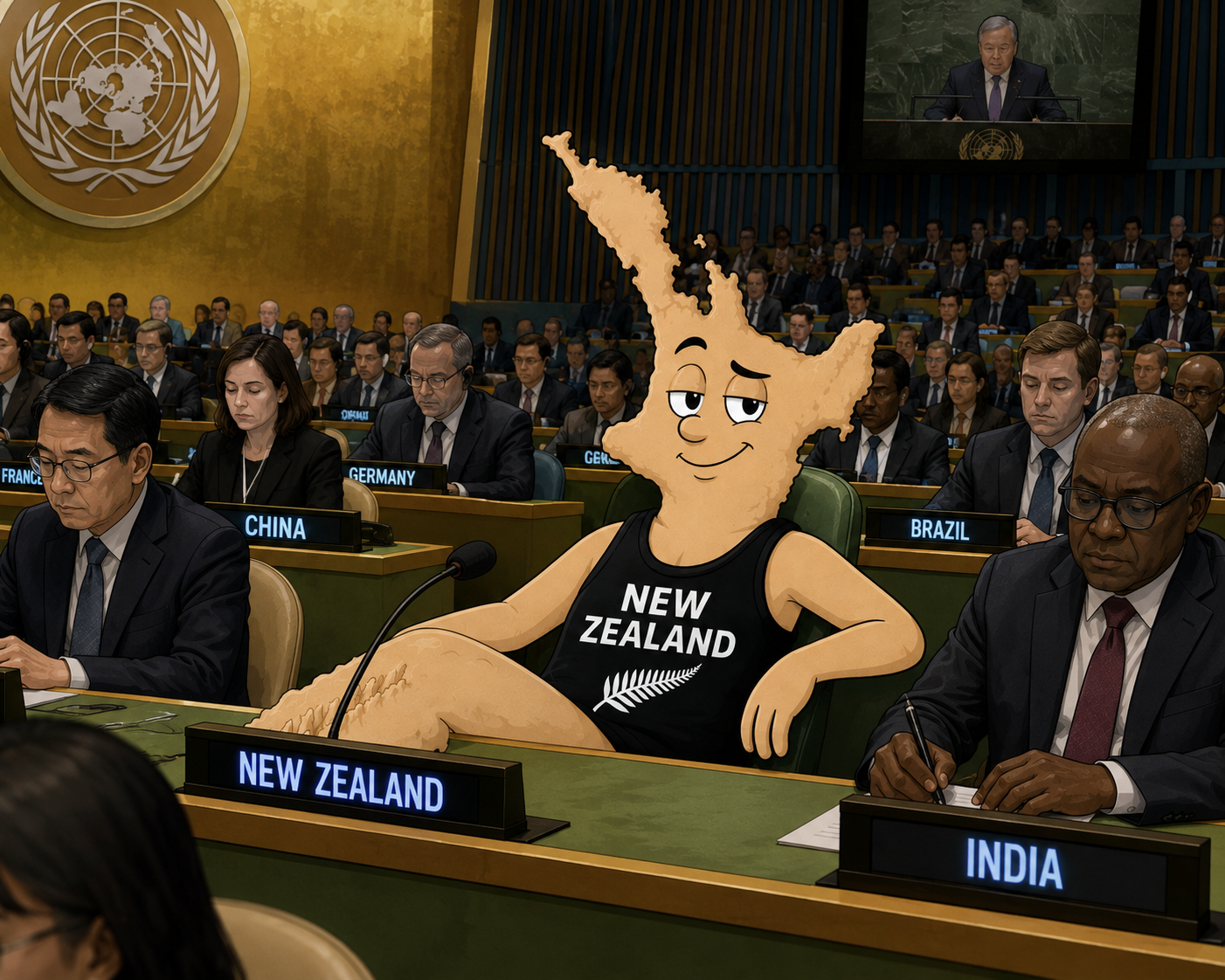

1. Will the United States maintain its global leadership in 2025?
Comment: This is an interesting question as it depends on numerous factors, including the USs domestic and foreign policies, and the rise of other global powers. The US has been the worlds dominant power for the past century, but with emerging economies like China and India, its possible that the geopolitical landscape might change. It would be interesting to see how the US responds to these challenges and whether it can maintain its leadership position.
2. How will Brexit affect the European Unions geopolitical influence in 2025?
Comment: The long-term impact of Brexit on the EUs geopolitical standing is still uncertain. It could potentially weaken the EUs position on the global stage, or it might force the remaining members to strengthen their cooperation and unity. I wonder how the EU will navigate through this transition period and what role it will play in the world in 2025.
3. Will China overtake the United States as the worlds leading economy by 2025?
Comment: Chinas rapid economic growth has certainly put it on the path to potentially overtake the US. However, there are challenges, including the need for economic reform and the issue of an aging population. Its interesting to wonder how these internal challenges and US-China relations might influence Chinas economic trajectory.
4. How will climate change affect geopolitics in 2025?
Comment: Climate change is no longer just an environmental issue; it is increasingly becoming a geopolitical one. Nations with greater resources might be better equipped to cope with climate change, potentially exacerbating global inequalities. Furthermore, disputes over resources like water could lead to conflicts. Its a sobering thought, and it will be interesting to see how international cooperation on climate change evolves.
5. What role will technology play in geopolitics in 2025?
Comment: Technological advancements are already changing the geopolitical landscape, from cyber warfare to the influence of social media on politics. By 2025, technologies like AI and quantum computing could play even larger roles. One cant help but wonder how nations will harness these technologies for their geopolitical ambitions, and what the implications will be for global security and stability.
1. Question: How will the rise of China as a global superpower affect the balance of power in the world?
Comment: The rise of China as a global superpower is indeed a significant geopolitical event. The shift in the global balance of power will inevitably cause a ripple effect in international relations. I wonder how this will impact smaller nations who are trading heavily with China. Will they be forced to take sides or will they be able to maintain neutrality? Also, how will this affect global norms and institutions that have been traditionally dominated by the US and its allies?
2. Question: What will be the impact of climate change on geopolitical tensions and conflicts?
Comment: This is an important question as it touches two of the most critical issues of our time: climate change and peace. Climate change is not just an environmental issue; it can exacerbate resource scarcity and increase the risk of conflicts. But how will countries navigate these challenges? Will we see more cooperation or competition in the face of shared threats?
3. Question: What role will artificial intelligence (AI) play in future warfare and international security?
Comment: AIs role in future warfare and international security is a pressing issue. It has the potential to revolutionize warfare, but the ethical implications are vast. Could this lead to autonomous weapons making life and death decisions? How will international law adapt to these changes? And how will it impact the balance of power between nations, especially those with advanced AI technologies and those without?
4. Question: How will Brexit affect the future of the European Union and its geopolitical implications?
Comment: The consequences of Brexit are still unfolding, with the UK and the EU navigating their new relationship. Its intriguing to consider how this might influence other EU member states. Could this trigger a domino effect of other nations leaving the union or will it strengthen the resolve of remaining members to foster unity? Also, how will it change Europes role and influence in global politics?
5. Question: Will the growing trend of nationalism and populist movements affect global cooperation on matters like trade and climate change?
Comment: The rise of nationalism and populist movements is indeed a global phenomenon. Its interesting to think about how this could pose a challenge to international cooperation,
Chinas rise? Inevitable. Climate change? A unifying crisis. AI in warfare? Terrifying. Brexit? EUs wake-up call. Nationalism? A threat to global unity.
1. Question: Will the power dynamics between the U.S., China, and Russia shift significantly by 2025?
Comment: This is an intriguing question because it directly involves the worlds current superpowers. Considering the economic growth of China, there is a possibility of an increased influence in global politics. However, the U.S. and Russia are also enhancing their capabilities in various sectors. It will be interesting to see how the interplay of economic, political, and military power affects these dynamics. The real question is whether this competition will lead to conflict or foster cooperation.
2. Question: How will Brexit affect the geopolitical landscape of Europe by 2025?
Comment: The implications of Brexit are still unfolding and its long-term impact is uncertain. The shift could potentially weaken the EU, or conversely, it could consolidate the remaining members. From a geopolitical perspective, the UKs departure from the EU could encourage other member states to reconsider their position. This could lead to a reconfiguration of alliances and power dynamics in the region.
3. Question: Will climate change become a more prominent issue in international relations by 2025?
Comment: Climate change is a global problem that affects all nations, regardless of their wealth or power. As the effects become more evident and severe, its likely that it will become a more prominent issue. It might even transform geopolitical priorities, shifting focus from traditional issues such as territorial disputes to global cooperation on climate change mitigation and adaptation.
4. Question: What will be the impact of the growing influence of technology companies in geopolitics by 2025?
Comment: The increasing influence of technology companies raises many questions about their role in geopolitics. These corporations have tremendous economic power and influence over information, which could translate into political power. Theres also the issue of cyber warfare and digital espionage. The way governments interact and work with these companies, or try to regulate them, could significantly shape the geopolitical landscape.
5. Question: How will the shift in global energy markets, particularly the move towards renewable energy, affect geopolitics by 2025?
Comment: The shift towards renewable energy could potentially reshape the geopolitical landscape, particularly affecting countries that rely heavily on oil exports for their economy.
1. Power dynamics are ever-changing; only time will reveal the real shift.
2. Brexit: Europes Pandoras box, expect unexpected power plays!
3. Climate change: the real litmus test for global unity.
4. Tech giants: potential geopolitical puppeteers or just bystanders?
5. Renewable energy: Oil-reliant economies, brace for impact!
Interesting read, but Im curious, arent we overlooking the potential impact of technology advancements on geopolitical shifts? AI, blockchain and the likes arent they drastically going to shape the power dynamics? Also, how about climate change? Thats a ticking time bomb right there!
While I appreciate the foresight displayed in 5 geopolitical questions for 2025, I am left wondering about the impact of climate change on these predictions. As weve seen, environmental factors are increasingly influencing geopolitics. So, are these predictions considering the drastic changes our planet is undergoing? It feels like a gaping hole in the analysis.
1. Question: Will China surpass the United States as the global superpower in 2025?
Comment: Considering the rapid economic growth and military expansion of China, its a valid question. However, the idea of global superpower is not just about economic or military might; it also involves soft power like cultural influence, technological innovation etc. It would be interesting to see how China plans to increase its global influence in these areas.
2. Question: How will climate change affect geopolitical relationships in 2025?
Comment: Climate change presents a unique challenge that crosses national borders, and the response to it will undoubtedly affect geopolitical relationships. Countries that heavily contribute to carbon emissions might face sanctions or diplomatic pressures from others. Im intrigued to see how international cooperation might evolve to tackle this global issue.
3. Question: What will be the impact of AI and automation on geopolitics by 2025?
Comment: The rise of AI and automation has the potential to significantly alter the global economic landscape. Countries leading in these technologies may gain significant geopolitical power. Will this lead to a new type of arms race, but for AI and automation technologies? Or will we see a more collaborative global effort to manage these powerful tools?
4. Question: Will the European Union survive its current challenges and remain intact by 2025?
Comment: The EU is facing a multitude of challenges, from economic disparities among member nations to handling of immigration issues. It will be fascinating to see how the EU adapts and evolves in response to these challenges. Can it strengthen its unity and emerge stronger, or will it crumble under the weight of these issues?
5. Question: How will the geopolitical landscape in the Middle East change by 2025?
Comment: The Middle East has long been a region of complex geopolitical dynamics. The ongoing conflicts, coupled with the recent changes in U.S policy towards the region, make this a very pertinent question. Its hard to predict exactly what will happen, but its clear that the decisions made in the next few years will have long-lasting impacts.
Question 1: How will the rising influence of China affect the global political and economic dynamics by 2025?
Comment: Chinas expansionist ideology and economic growth is indeed a significant concern. One wonders how its rising influence will shape the global economic landscape. Will it lead to a shift in the worlds economic power? Moreover, it will be interesting to see how other countries react and adapt to this change, especially the U.S., which has been the global leader for decades.
Question 2: In 2025, how will Brexit have impacted the UK and EUs relationship and the overall geopolitical situation in Europe?
Comment: The implications of Brexit are far-reaching. Its intriguing to speculate how the UK-EU relationship will evolve by 2025. One cant help but wonder if the UK will manage to establish strong bilateral trade deals to offset the potential economic impacts of leaving the EU. The ongoing tensions surrounding the Northern Ireland Protocol also raise questions about peace and stability in the region.
Question 3: What will be the state of Middle Eastern politics by 2025, especially considering the ongoing tensions between Iran and Saudi Arabia?
Comment: The Middle East has long been a geopolitical hotspot, and the Iran-Saudi rivalry only adds to the complexity. Its concerning to think about the potential for escalation and the impact on regional stability. One hopes for diplomacy and dialogue to prevail over conflict.
Question 4: How will climate change influence geopolitics by 2025, particularly in terms of resource allocation and migration?
Comment: The impact of climate change on geopolitics is an often overlooked but crucial issue. As resources become scarcer and areas uninhabitable, it could lead to conflicts and refugee crises. Its imperative to consider how nations will work together to mitigate these challenges and if climate change will finally be recognized as a global security issue.
Question 5: How will the geopolitical landscape change in the Indo-Pacific region by 2025, considering the growing tensions between India and China?
Comment: The Indo-Pacific region is becoming a critical focal point in global politics. The India-China border tensions, coupled with Chinas assertive moves in the South China Sea, are clear indicators. Its intriguing to contemplate how this will reshape alliances
Interesting read, especially the part about emerging powers. But arent we oversimplifying things by not considering the role of non-state actors? What about multinational corporations, influential NGOs, or even hackers? They surely have a stake in the geopolitical landscape too. Could be a 6th question for 2025, dont you think?
1. Question: Will China replace the USA as the worlds leading superpower?
Comment: This is an interesting question, considering the rapid economic growth and military expansion China has been experiencing in recent years. However, the answer to this question will not only depend on Chinas capabilities but also on how the USA will respond to these changes. If the USA can maintain its technological edge and strengthen its alliances, it may be able to maintain its superpower status. However, if China continues to expand its influence at its current pace, it could potentially challenge the USAs position.
2. Question: Will the European Union disintegrate due to internal divisions and rising nationalism?
Comment: The European Union has always been a complex entity, balancing the needs and interests of its member states. The rise of nationalism and the internal divisions we are currently witnessing are indeed concerning. However, the EU has managed to survive numerous crises in the past, and it may be able to do so again. It will depend on whether the EU can adapt and reform itself to better address these challenges.
3. Question: Will climate change lead to increased geopolitical conflicts over resources?
Comment: Climate change is one of the most serious threats facing our planet today, and it could indeed exacerbate existing conflicts and create new ones, particularly over water and other scarce resources. However, it could also act as a catalyst for international cooperation, as countries realize that they need to work together to combat this global problem. The outcome will depend on how world leaders choose to respond to this crisis.
4. Question: Will the Middle East achieve peace and stability?
Comment: The Middle East has been a region of conflict for decades, making peace and stability seem elusive. However, recent peace agreements and diplomatic breakthroughs give some hope for a more stable future. It will require sustained international effort, political will from the regional powers, and support for grassroots peacebuilding and reconciliation efforts.
5. Question: Will Russia and the West be able to overcome their differences and build a constructive relationship?
Comment: The relationship between Russia and the West has been fraught with tension for many years. Overcoming these differences will require both sides to engage in open and honest dialogue and to address the root causes
Just read that 5 Geopolitical Questions for 2025 piece, folks. Interesting thoughts but arent we downplaying the role of emerging economies here? Its like the BRICS nations are an afterthought. Also, is the focus on oil a bit outdated considering the green energy revolution? Just my two cents.
Interesting read! However, Im curious how the article predicts the role of emerging technologies in reshaping geopolitics. Its 2025 were talking about, shouldnt considerations like AIs impact on global power dynamics or cybersecurity threats be part of the top geopolitical questions? Just a thought!
1. Question: How will the rise of China as a global economic power impact the world order?
Comment: The rise of China as a global economic powerhouse is certainly an interesting development to watch. It could potentially disrupt the current world order dominated by the West. However, it is important to consider how China will handle its newfound power. Will it use it for global prosperity or for self-serving purposes? And how will other countries respond to this shift? This could lead to significant geopolitical changes in terms of alliances, trade agreements, and international relations.
2. Question: What will be the impact of climate change on geopolitical relations?
Comment: Climate change is no longer just an environmental issue; it has become a geopolitical one as well. As countries scramble to deal with the consequences of climate change, tensions could rise over resources like water and arable land. On the other hand, this could also provide an opportunity for increased cooperation and collective action on a global scale. It would be interesting to see how nations prioritize and manage their climate strategies.
3. Question: How will the continued rise of artificial intelligence and automation affect global employment and income inequality?
Comment: The advent of AI and automation can potentially lead to a global shift in employment and exacerbate income inequality. While they can improve productivity and efficiency, they can also displace jobs. Countries will need to find ways to ensure that the benefits of these technological advancements are equally distributed. Otherwise, it could lead to social unrest and increased geopolitical tensions.
4. Question: Will the post-COVID world see a decrease in globalisation?
Comment: The COVID-19 pandemic has certainly tested the limits of globalization. With countries closing borders and focusing on national interests, its possible that we might see a trend towards deglobalization. However, its also plausible that the pandemic could reinforce the importance of global cooperation and interdependence. It remains to be seen how this balance will be struck in the post-COVID world.
5. Question: How will the relationship between the U.S and Russia evolve in the coming years?
Comment: The relationship between these two superpowers has always been complex, marked by periods of relative calm and intense rivalry. Given the current uncertainty around issues like cyber warfare, arms control
Interesting article, but I wonder if its too focused on the West? What about the potential impact of Asia, particularly with Chinas growing influence? Theres also Africas untapped potential that could reshape global politics by 2025. Just some food for thought.
Interesting piece, guys! But, does anyone else feel like climate change should have been a bigger focus? No doubt, geopolitical issues are crucial, but I think environmental shifts will have a massive impact on geopolitics too. Just my two cents.
1. Question: Will China surpass the United States as the worlds leading superpower by 2025?
Comment: This is certainly a question on many minds, given Chinas tremendous economic growth in recent years. However, I believe this will largely depend on how each country navigates the complexities of international relations, technological advancements, and economic sustainability. While economic power is a significant factor, military strength, cultural influence, and diplomatic relations also play a crucial role in determining the leading global power.
2. Question: Will the European Union see further fragmentation or consolidation by 2025?
Comment: The issue of unity within the European Union has always been a contentious one. With Brexit serving as a recent example of fragmentation, one wonders if this could set a precedent for other nations. However, the shared economic benefits and collective security provided by the EU could also motivate nations towards further consolidation. It will be interesting to see how the EU evolves in response to both internal and external pressures.
3. Question: Will the Middle East achieve peace and stability by 2025?
Comment: The continued unrest and conflict in the Middle East are deeply concerning. The road to peace and stability is complex and fraught with challenges. However, with the right international support, diplomatic dialogues, and comprehensive peacebuilding strategies, its conceivable that progress could be made. It would be overly optimistic to expect complete peace by 2025, but hopefully, we will see steps in the right direction.
4. Question: Will climate change significantly reshape geopolitical alliances by 2025?
Comment: Climate change is undoubtedly a global crisis that necessitates international cooperation. It presents an opportunity for countries to form new alliances based on shared environmental goals. However, it also has the potential to create conflict over resources and responsibility. Its a double-edged sword that could both unite and divide. How nations prioritize and address this issue will be telling of the geopolitical landscape in 2025.
5. Question: Will Africas economic potential be realized by 2025?
Comment: Africas economic potential is immense, with its wealth of natural resources and young, growing population. However, realizing this potential requires overcoming significant challenges, including political instability, corruption, and lack
Question 1: Will China surpass the United States as the worlds leading superpower by 2025?
Comment: This is a prospect with significant geopolitical implications. While Chinas economic growth and military expansion are undeniable, surpassing the USs influence globally is a complex task. It would entail not just economic and military dominance, but also ideological influence and soft power. However, considering that the world is rapidly evolving, its certainly a possibility. If this happens, how would the global balance of power shift? And how would small countries navigate their alliances?
Question 2: Will the European Union still be intact in 2025?
Comment: The European Union has been facing several internal and external challenges, from Brexit to the migrant crisis. However, its also shown remarkable resilience and adaptability. If the EU remains intact, it could serve as a model of successful regional integration and cooperation. But if not, its interesting to ponder what the implications would be for global governance and international relations.
Question 3: How will the rising tensions between Iran and Saudi Arabia shape the Middle East by 2025?
Comment: The Middle East has always been a geopolitical hotspot, and the escalating tension between Iran and Saudi Arabia adds another layer of complexity. I wonder how this would impact regional stability and international oil markets. Also, it would be interesting to see how global powers navigate these tensions to protect their interests.
Question 4: Will Africa emerge as a new geopolitical power bloc by 2025?
Comment: The potential of Africa is immense, with its rich natural resources and young population. The continents rise as a geopolitical power bloc could significantly alter global dynamics. However, this would require overcoming numerous challenges, including political instability, economic underdevelopment, and social inequalities. Its fascinating to imagine how such a transformation could impact global geopolitics.
Question 5: How will climate change impact global geopolitics by 2025?
Comment: Climate change is not just an environmental issue – its a geopolitical one as well. It has the potential to exacerbate resource scarcity, trigger mass migrations, and intensify global conflicts. If we fail to address this issue effectively, it could bring about a new era of geopolitical instability. On the other hand
Predicting geopolitics is tricky, but its clear – adapt or face instability. Climate change, the real game-changer, waits for no one.
Just finished reading the 5 Geopolitical Questions for 2025 article, guys. Its quite thought-provoking. But dont you think theyve missed the boat on the potential impact of AI and tech advancements? I mean, considering the pace of digital transformation, shouldnt that be a key geopolitical question for the future? Just my two cents.
1. Question: How will the rise of China as a global superpower impact the balance of power in the Asia-Pacific region by 2025?
Comment: Chinas ascendance as a global superpower is not just an economic phenomenon. Its a geopolitical shift that could potentially reshape the world order. I wonder though, how will this impact the regional dynamics in the Asia-Pacific? Will we see a more assertive China, especially in the South China Sea or Taiwan Strait? And how will regional powers like Japan and India, as well as the US, respond to this shift?
2. Question: What will be the status of the peace process in the Middle East, particularly between Israel and Palestine, by 2025?
Comment: The Israel-Palestine conflict has been a long-standing issue with numerous failed attempts at resolution. By 2025, will we see any significant headway towards a peaceful resolution? And if so, what would a potential two-state solution look like? Moreover, how will the shifting alliances within the Middle East, like the recent Abraham Accords, affect this process?
3. Question: How will climate change affect geopolitical relations and conflicts by 2025?
Comment: Climate change is undoubtedly one of the most pressing global issues. However, it is not only an environmental concern but a geopolitical one as well. I am curious about how climate change might exacerbate existing conflicts or even spark new ones. For example, could resource scarcity due to climate change lead to more competition and potential conflict between nations?
4. Question: What will be the impact of Brexit on the European Union and its relationship with the United Kingdom by 2025?
Comment: Brexit has been a seismic event within European politics. I wonder how this will shape the EU-UK relationship in the next few years. Will we see a more distant relationship, or perhaps a rapprochement? Moreover, how will Brexit affect the internal dynamics within the EU, particularly regarding the balance of power between the remaining member states?
5. Question: How will technological advancements, particularly in the field of Artificial Intelligence, impact global geopolitics by 2025?
Comment: Technology, especially AI, is reshaping every facet
1. Question: Will China surpass the United States as the worlds leading superpower by 2025?
Comment: This is an interesting question and its been a topic of debate for quite some time now. The rise of China has been phenomenal and its economic growth, military expansion, and technological advancements cannot be ignored. However, the United States still holds a dominant position in terms of its global influence, military prowess, and soft power. It will be interesting to see how both nations navigate their relationships with other countries and manage their domestic issues to maintain or gain the top spot.
2. Question: Will the European Union be able to maintain its unity and stability amidst growing nationalist sentiments?
Comment: The rise of nationalist sentiments in various European countries is indeed a challenge to the unity and stability of the European Union. The Brexit event has already shown that such sentiments can lead to significant changes. However, the EU has shown resilience in the past and it will be important to see how it manages to counter such trends and promote a shared vision of unity and cooperation.
3. Question: How will the geopolitical landscape of the Middle East evolve, considering the ongoing conflicts and rivalries?
Comment: The Middle East has been a volatile region for decades with numerous conflicts and rivalries. The dynamics in this region have a significant influence on global politics. Factors such as the Iran-Saudi rivalry, Israel-Palestine conflict, and the roles of Russia and the US in the region will likely continue to shape the geopolitical landscape. Its crucial to ponder how diplomatic efforts can be strengthened to bring about stability.
4. Question: How will climate change impact the geopolitical scenario in 2025?
Comment: Climate change is a global issue that affects all nations, irrespective of their geopolitical standing. Its foreseeable that nations with significant influence will have to play a major role in mitigating climate change impacts. It also brings up questions regarding the geopolitics of climate justice, as developing nations might bear the brunt of the impacts despite contributing less to the problem.
5. Question: Will technological advancements and digitalization reshape geopolitical power structures by 2025?
Comment: With the rapid advancements in technology and digitalization, its plausible that these factors will have a significant
Question 1: What will be the political landscape of the Middle East in 2025?
Comment: The complexity of the Middle East is undeniable, with its intricate web of alliances, cultural differences, and power struggles. A key factor to consider is the impact of the ongoing conflicts, such as the Israeli-Palestinian conflict and the war in Yemen. The intervention of global superpowers will also play a pivotal role in shaping the future of this region.
Question 2: How will climate change influence geopolitical relations in 2025?
Comment: Climate change is not just an environmental issue, but a geopolitical one as well. Rising sea levels and extreme weather events can lead to mass migration, alter the global economic balance, and even ignite conflicts over resources. Countries responses to climate change could either bridge or widen the gap between the global north and the south.
Question 3: Will China continue its economic ascendency and how will it impact global trade dynamics?
Comment: Chinas economic growth has been phenomenal, reshaping the global economic order. However, its relations with other global powers, especially the U.S., will significantly influence its future trajectory. Its also crucial to consider the impact of Chinas internal issues such as demographic shifts and environmental concerns on its economic growth.
Question 4: How will Brexit affect the future of the European Union and its relations with other global power players?
Comment: Brexit has been a significant geopolitical event, sparking debates about the future of the European Union. It would be interesting to observe how the EU navigates this challenge and what it means for its unity. Brexit also raises questions about the EUs relationship with other global powers and how it will renegotiate its place in the world order.
Question 5: How will the world respond to the increasing digitalization and the associated cybersecurity threats?
Comment: The digital revolution is reshaping the world in unprecedented ways, bringing both opportunities and threats. Cybersecurity is becoming a major concern for nations, as cyber-attacks can destabilize economies and disrupt political systems. International cooperation will be essential in developing robust cybersecurity infrastructures and regulations.
Just read this 5 geopolitical questions for 2025 piece. Seriously, dont you think it’s somewhat presumptive to think we can predict politics 4 years in advance? Last year taught us that anything can happen overnight! Plus, should we focus more on addressing current issues rather than speculating future uncertainties?
1. Question: Will Chinas Belt and Road Initiative continue to expand its influence in 2025?
Comment: The expansion of Chinas Belt and Road Initiative is a matter of significant geopolitical concern. If China continues to invest heavily in developing countries, it could potentially lead to a shift in global power dynamics, with these countries becoming increasingly reliant on China. However, it is also important to consider the potential backlash from other global powers and the possibility of increasing debt burdens for recipient countries.
2. Question: How will Brexit affect the European Unions political stability in 2025?
Comment: The aftermath of Brexit is still unfolding, and its uncertain how it will impact the EUs political landscape in 2025. One potential scenario could involve other member states questioning their role within the Union, potentially leading to further fragmentation. However, the EU could also emerge stronger and more unified in the face of this challenge. Much will depend on the leadership and economic health of the remaining member states.
3. Question: Will climate change become a central issue in international relations by 2025?
Comment: Given the increasing urgency of the climate crisis, its likely that this issue will become central in international relations. However, the implementation of effective climate policies will require a high level of international cooperation. This could prove challenging given the differing interests and capabilities of countries and the potential for climate action to be sidelined by other geopolitical concerns.
4. Question: How will the rise of artificial intelligence impact global economic power dynamics by 2025?
Comment: The rise of AI presents both opportunities and challenges on a global scale. Countries with advanced AI capabilities could potentially gain a significant economic advantage, which could shift the balance of economic power. However, this could also exacerbate global inequality and create new geopolitical tensions. Its crucial that international regulations and ethical guidelines are developed to mitigate these risks.
5. Question: How will the ongoing conflict in the Middle East evolve by 2025?
Comment: Predicting the evolution of conflicts in the Middle East is difficult due to the regions complex political landscape. However, factors such as the involvement of foreign powers, the impact of economic sanctions, and the potential for diplomatic negotiations will likely play a significant role. Its also important
1. Chinas BRI will undoubtedly expand, but at what cost to indebted nations?
2. Brexit could either fracture the EU further or solidify their unity.
3. Climate change needs to be prioritized, not just recognized in international relations.
4. AIs potential economic dominance could fuel global inequality. Strict regulations are needed.
5. Middle Easts future? Unpredictable, but foreign intervention and diplomacy will be key.
2025? More like 2050 with these predictions! Chinas rise is old news, lets talk about Antarctica becoming the next superpower. Penguins for world domination, anyone?
I dont buy into all this geopolitical speculation for 2025. Why not focus on the present and make positive changes now instead of obsessing over the future? Lets live in the moment, people!