



#IndividuallyTogether
Lost faith in leadership? Feel unheard and disconnected? Many Kiwis feel the same. Reclaim our collective identity, rebuild community, and empower ourselves. #IndividuallyTogether

Lost faith in leadership? Feel unheard and disconnected? Many Kiwis feel the same. Reclaim our collective identity, rebuild community, and empower ourselves. #IndividuallyTogether
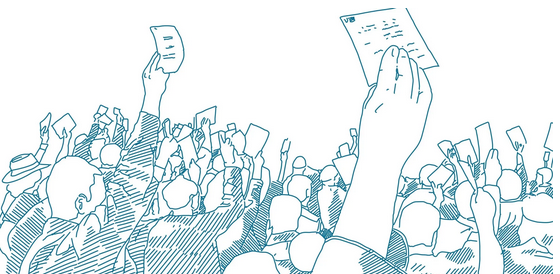
Direct democracy, where citizens directly participate in decision-making, has become a growing trend worldwide. While often viewed as a utopian ideal, its practical implementation varies significantly across different countries. This article examines the successes and challenges of direct democracy through case studies of Switzerland, Taiwan, Mexico, and Uruguay, highlighting the diverse ways this system operates in practice
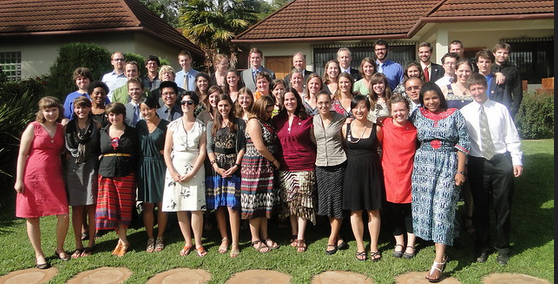
An empowered society is not merely a utopian ideal but a tangible reality that holds the key to a brighter future. It’s a society where individuals are equipped with the tools, knowledge, and opportunities to actively participate in shaping their own lives and the world around them. This empowerment transcends mere economic prosperity; it’s about fostering a sense of agency, responsibility, and collective action.
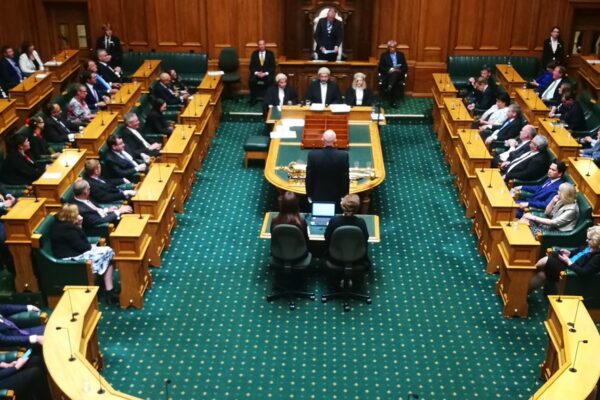
New Zealand Legislation changes many times per business day, it’s sometimes nearly a constant stream throughout the day. If you thought that such things were just occasionally and that when it did happen, it will be news that you won’t miss, we have to tell you you are wrong, parliament changes laws all the time…

George Orwell might sound doom and gloom but it has come to pass Taken from the above website (Open Culture): More than 60 years after his death and the closely preceding publication of his best-known novel 1984, we look to George Orwell as a kind of prophet of the ills of corporatism, socialism, authoritarianism, totalitarianism…

Even though we’ve never had proper democracy, the reality is that even the form of democracy we do have is under threat. Democracy is a logical concept that puts us all on an equal footing, but what’s happening in the UK does not bode well for New Zealand. Neil Oliver is a reknowned voice from…

This research report delves into the intersection of AI technologies and governance, advocating
for a shift towards human-centered, decentralized systems that reflect the diversity of human values. As AI
reshapes societal and economic structures, it offers an opportunity to reimagine governance in a way that
enhances personal responsibility, creativity, and human fulfillment. The report critiques historical trends of
“self-domestication,” where individuals have been confined to passive roles in rigid economic and political
systems, and explores how AI and alternative currencies can reverse this trend by fostering more flexible,
decentralized forms of governance.
Central to the report is the call for governance models that allow for experimentation, creativity,
and voluntary participation rather than imposing one-size-fits-all solutions. The rise of AI presents the
chance to alleviate labor burdens and create systems that balance global competition with protections for
those left behind. It also emphasizes the need for resilience through diversity, arguing that centralized
systems have reduced resilience and are prone to collapse.

Implementing Direct Democracy and changing the way the system works sounds bold to many. People understand that it needs support and that they are the best ones to provide it. Leaving it to chance won’t work because the drive won’t be there, putting into commercial hands won’t work because it will represent those interests alone,…

Earlier this year we spoke with Wayne Haigh about his views on How New Zealand is run. Now in advance, we do have to apologise a bit for the production of this video, we are getting better at making these slowly! We interview regular kiwis to get a grassroots feel for how people feel the…

Compared to New Zealand the Swiss have a democracy system that is out of this world. Reading the bottom line below: A total of 85% of respondents said they were satisfied with the opportunities to participate in Swiss democratic processes. The public also appreciates the inclusion of minorities (81%) and the strong federalism (71%) But…